3-Tab Shingle Vs Architectural Shingle - Cost, Lifespan & Value
Debating 3-Tab Shingle vs Architectural Shingle? Discover the key differences in wind ratings, lifespan, and curb appeal to make the right choice for your home
Author:George EvansNov 16, 2026
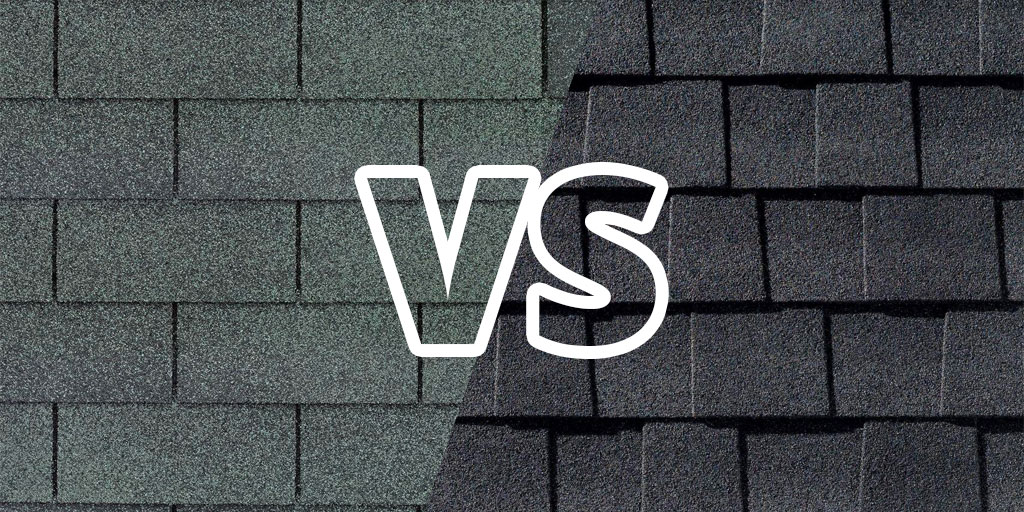
3-Tab Shingle Vs Architectural Shingle: A Design & Value Comparison
Most homeowners aren’t really choosing between flat and dimensional. They’re choosing between a roof that meets the minimum for their timeline and budget, and a roof that buys more performance headroom, especially when wind, hail, heat, or future repairs enter the picture.
A helpful way to think about it is this: imagine two identical houses on the same street. One owner plans to sell within five years and just wants a clean, code-compliant roof.
The other expects to stay twenty years and would rather pay more now than deal with repairs after the first major storm. Both owners can make a smart choice, but it likely won’t be the same one.
Key Takeaways
- Architectural shingles are typically laminated thicker, which helps with dimensional curb appeal and often offers more high-wind / impact-rated options within product lines.
- 3-tab shingles are typically single-layer flatter, usually cost less upfront, and can be a smart fit for simple roofs or short ownership timelines.
- Wind performance is not just the shingle type; it depends on testing labels, sealing conditions, and installation details like starter strips and nailing.
- If you might need repairs later, don’t ignore matching risk: availability can vary by region and by product line.
Differences Between 3-Tab Shingles Vs Architectural Shingles
If you strip the debate down to essentials, the differences fall into four buckets: build, appearance, typical performance ceiling, and risk of future matching.
Build: A 3-tab shingle is typically a single-layer strip with cutouts that create three uniform tabs. Architectural shingles also called laminated or dimensional typically use multiple bonded layers, which makes the shingle thicker and changes how it seals and flexes over time.
Appearance: 3-tab reads as a repeating, flat patternclean and uniform. Architectural shingles create shadow lines and a less repetitive visual rhythm. On a steep roof or a home with dormers and hips, this can be the difference between a roof that looks like a surface and a roof that looks like a designed element.
Typical performance ceiling: Many architectural products are positioned as the mainstream durable option, so you often find higher wind and impact offerings in that category. But the category alone doesn’t guarantee performance. Wind performance is grounded in standardized testing and labeling ASTM methods referenced by code, and warranty coverage often depends on installation details, not just the shingle format.
Matching and repairs: This is where the real-world difference has grown. In some markets, certain 3-tab lines have been discontinued or reduced, which can make future matching harder even if 3-tab shingles still exist broadly. A discontinuation notice for a major 3-tab line in multiple service areas is a good example of how available somewhere can still mean hard to match here.
Takeaway: 3-tab vs architectural is mostly a choice between simplicity and upfront savings versus dimensional design and higher performance headroom, with repairability often tipping the scales.
Similarities Of Architectural Shingles Vs 3-Tab
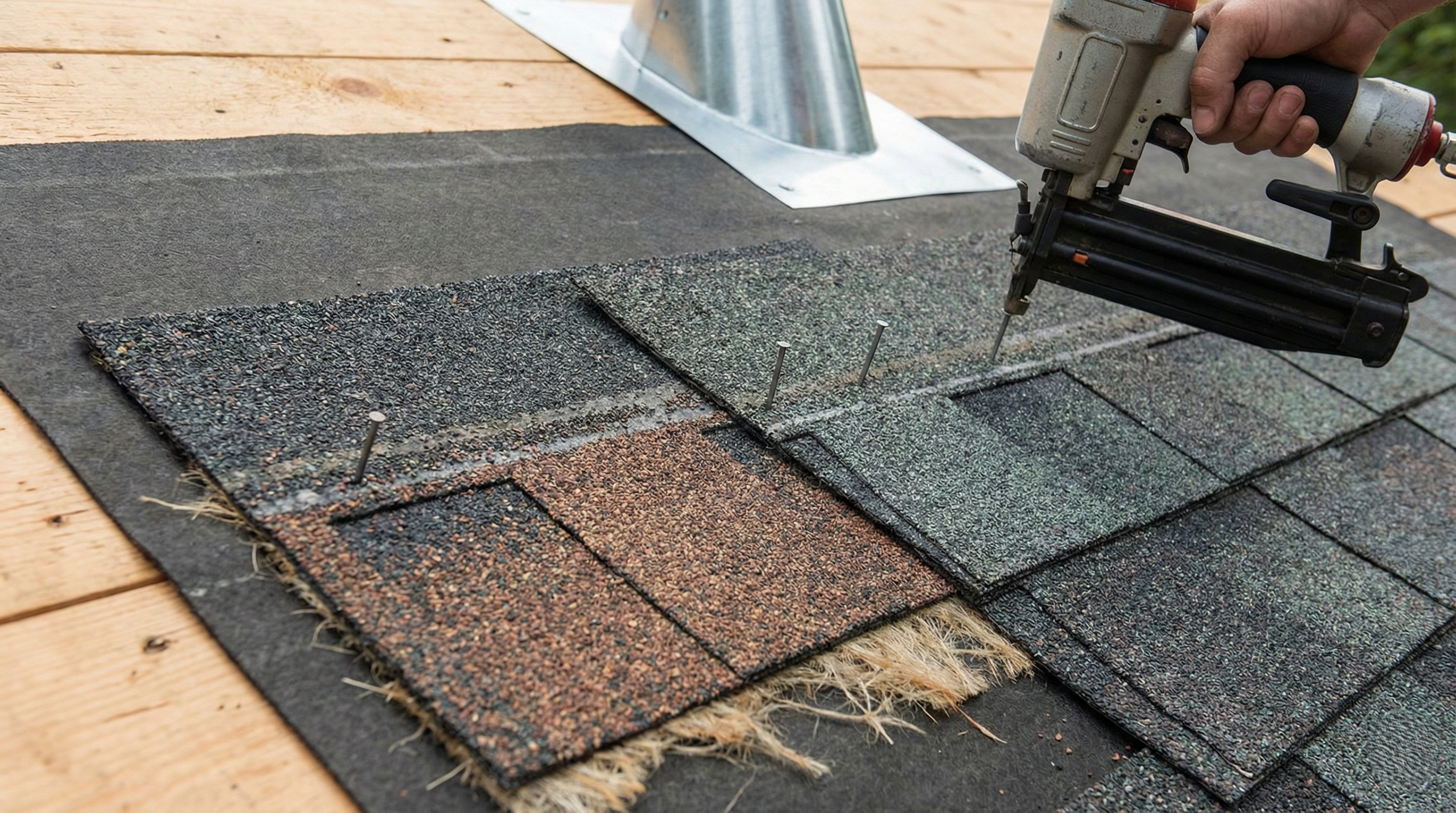
It’s easy to overstate the differences and forget what these products share. Both 3-tab and architectural shingles are typically asphalt shingles built as composite materialsa fiberglass mat base with asphalt coating and mineral granules on the weather side.
That shared DNA matters because it means many of the roof killers are the same regardless of format: poor ventilation, weak flashing details, sloppy nailing, and neglected maintenance.
Both types may be evaluated against material standards that define what the product should be as manufactured. ASTM D3462, for instance, is widely recognized as a core product specification for fiberglass-reinforced asphalt shingles, and industry guidance emphasizes that compliance is measured at the time of manufacture.
That’s not triviait’s a reminder that even a compliant shingle can perform poorly if installed or detailed badly.
They also share the same basic roof system dependency. Your shingle is the visible skin, but performance depends on what supports it: underlayment choices, starter strips, valley details, ventilation balance, and deck condition.
Two roofs with the same shingles can age very differently if one has trapped attic heat and the other has good airflow.
Even wind performance overlaps more than people assume. The IRC expects asphalt shingles to be labeled for compliance with ASTM wind testing methods with an exception pathway, which applies across categories.
And research from IBHS shows wind uplift resistance can be sensitive to factors such as installation temperature and roof slope, using both 3-tab and architectural shingles in testing again, underscoring that category is only part of the story.
A final similarity that’s practical: both can be installed well or poorly. Homeowners sometimes assume architecture automatically means a premium install. It doesn’t. If a contractor cuts corners on starter strips, nails high, or rushes cold-weather sealing, the roof can fail long before its marketing suggests it should.
Takeaway: The biggest shared truth is that both shingle types are only as good as the roof system and workmanship beneath them, and that’s where smart homeowners focus first.
Architectural Shingles: Physical Composition And Design Appearance
Architectural shingles are best understood as a layered composition designed to create thickness, and thickness changes both appearance and performance potential.
Physically, architectural shingles are typically made with a fiberglass mat and asphalt coating, surfaced with mineral granules similar to 3-tabbut arranged in a laminated profile.
ASTM D3462’sscope language describes asphalt shingles as glass felt impregnated/coated with asphalt and surfaced with mineral granules, emphasizing evaluation as manufactured. Architectural shingles build on that baseline by bonding extra material in patterns that create dimension.
That Laminated Build Does Three Useful Things In The Real World
Creates shadow and texture. From the ground, the roof reads as a surface with depth rather than a repeated grid. On steeper slopes and rooflines with multiple planes, that depth helps the roof look intentional.
Adds mass and stiffness: Architectural shingles are often heavier per square than 3-tab. That can contribute to a more substantial feel and may play into uplift resistance when combined with proper sealingthough the keyword is combined. Wind performance is highly tied to sealing and installation conditions, not mass alone.
Creates more forgiving aesthetics during aging. When a roof inevitably collects minor staining, granule loss, or subtle surface variation, architectural textures can visually absorb those imperfections better than a uniform grid.
From a design lens, and this is where homeowners feel the difference immediately, architectural shingles tend to be kinder to complex architecture.
A house with dormers, intersecting gables, or prominent front-facing roof planes benefits from a roof material that has its own visual rhythm.
Architectural shingles provide that rhythm through layered shapes and shadow lines, which makes the roof read like a finished element rather than a simple cover.
None of this means architectural shingles are always the right buy. But if you care about curb appeal or your roof is the fifth façade of the homearchitectural shingles are usually the faster path to a roof that looks considered.
Takeaway: Architectural shingles use a laminated build to deliver dimensional shadow lines and a more substantial roof presence, especially on complex roof geometry.
3-Tab Shingles: Physical Composition And Design Appearance
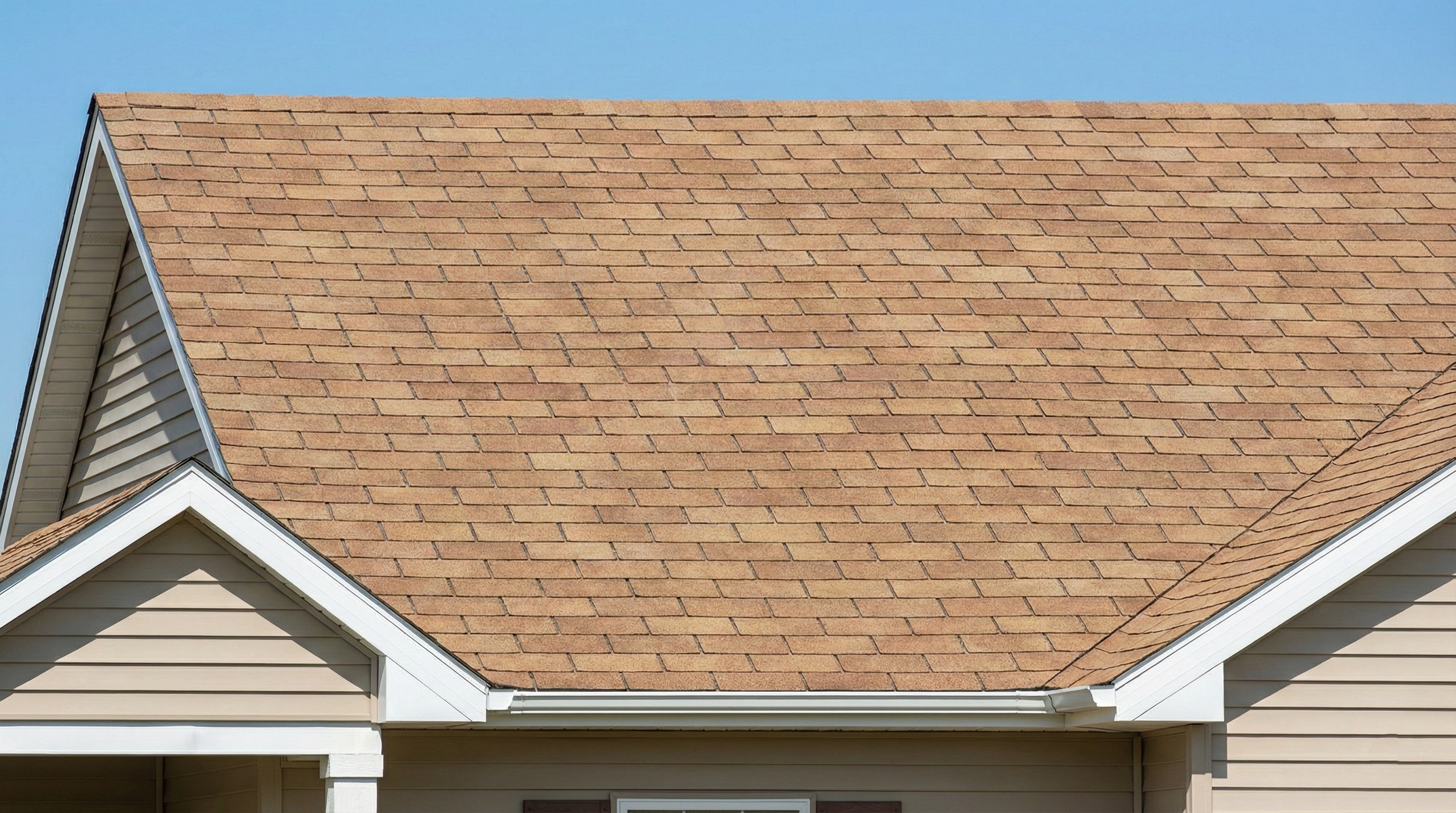
3-tab shingles are the definition of straightforward: they’re typically single-layer strips cut to create three uniform tabs. That simplicity is their identity and, in the right context, their advantage.
In composition, 3-tab shingles are usually made from the same essential materials as other asphalt shingles: fiberglass reinforcement, asphalt coating, and mineral granules. Standards like ASTM D3462 describe this composite structure and emphasize evaluation as manufactured.
The difference is not better materials versus worse materials, but how the material is shaped and layered.
The design result is a roof that looks flat and regular. Each tab creates a consistent pattern, and that pattern reads cleanly from the street.
On certain homes, especially those with simpler massing or a traditional aesthetic this uniformity can look appropriate and calm. It can also be visually helpful on very small roofs where a highly textured shingle might feel busy.
Where 3-tab can struggle is on roofs that are large, steep, or architecturally prominent. A big, uninterrupted plane of 3-tab shingles can read as a repetitive grid, and the lack of shadow lines can make the roof look thinner.
On homes with expressive architecture, deep eaves, tall gables, or layered elevations-tab often feels less integrated, not because it’s bad, but because it doesn’t add visual depth.
There’s also a practical design consideration: uniform patterns make mismatched repairs more obvious. If you need to replace a patch after a branch scrape or a wind event, a slightly different color lot can stand out sharply on a 3-tab roof.
That risk rises if certain 3-tab lines have been reduced in local supply, which is one reason repairability has become part of the modern 3-tab conversation.
Still, 3-tab remains in the market. Major manufacturers continue to sell 3-tab products, and a common 3-tab line is still widely marketed as an affordable, classic option.
The key is not assuming 3-tab is gone, but verifying local availability and matching practicality.
Takeaway: 3-tab shingles deliver a clean, uniform look and straightforward construction ideal for simple roofs, but less forgiving in aesthetics and repair matching.
Architectural Shingles: Lifespan, Durability, And What Drives It
When people say architectural shingles last longer, they’re usually describing durability potential, not a guaranteed calendar life.
That potential comes from how laminated shingles handle stress: wind tugging, thermal cycling, and everyday wear.
IBHS research gives a useful lens here: wind uplift resistance can be sensitive to installation temperature including cold conditions and roof slope, and their exploratory program included both architectural and 3-tab self-sealing shingles.
What makes architectural shingles more durable in many real-world installations? Thicker profile and layered construction can reduce the tendency to curl or distort over time.
Shadowing and texture can visually mask minor aging compared with flat patterns. Many architectural product lines are designed as primary market offerings, so they may receive more ongoing refinement in sealant behavior, mat tech, and accessory system guidance, though this varies by manufacturer.
Durability is also strongly tied to sealing. Self-sealing shingles depend on adhesive strips bonding properly.
If the roof was installed in very cold conditions and didn’t seal for a long time, uplift resistance can be reduced during vulnerable periods, and shingles can be more susceptible to early damage.
That’s not an architectural-only issue, but it’s a reminder that durability comes from installation reality, not brochure promises.
Another driver is how you maintain the roof system. A homeowner who keeps gutters clear, addresses flashing issues promptly, and prevents moss buildup will get more life out of almost any roof.
Conversely, trapped attic heat and moisture can shorten service life by stressing both shingles and decking. Even industry discussions of ASTM product compliance emphasize the as-manufactured nature of standards, meaning field conditions and installation are where roofs succeed or fail.
Architectural shingles tend to be a smart durability play when you’re planning long-term ownership or live in a region with meaningful wind and hail risk.
Not because they’re magical, but because they usually offer a wider range of higher-spec product options and a more robust visual and physical profile over time.
Algae And Stain Resistance
Most modern architectural shingles come standard with copper-infused granules. This copper slowly releases over time to kill algae, keeping the roof looking clean. If curb appeal is your priority, this chemical difference is just as important as the physical shape.
Takeaway: Architectural shingles often deliver stronger durability potential, but that potential is unlocked by proper sealing, correct detailing, and healthy roof-system conditions.
3-Tab Shingles: Lifespan, Durability, And What Drives It
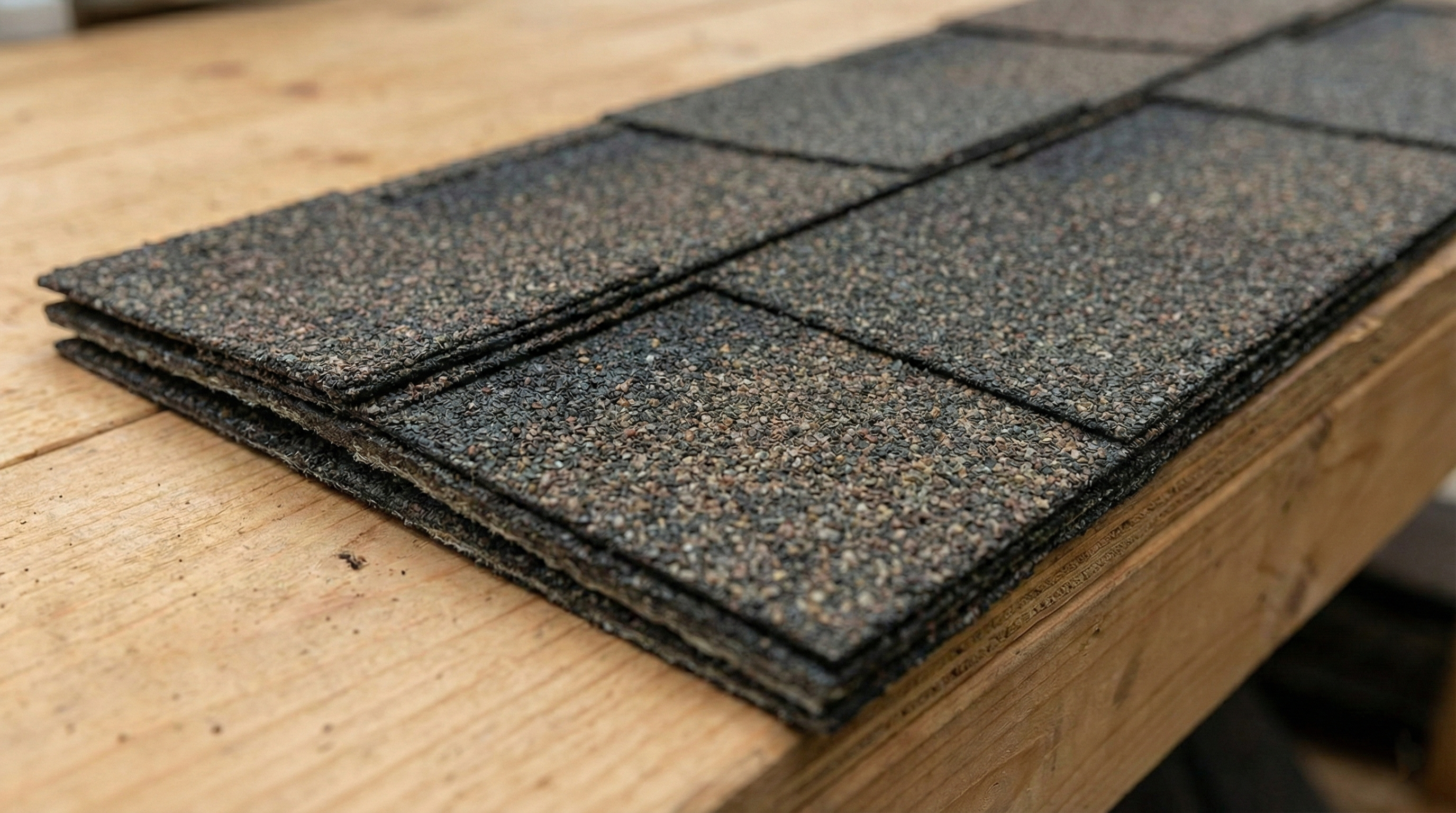
3-tab shingles can perform perfectly well when used in the right contexte specially on simple roofs and in moderate climates. But their format tends to offer less buffer against the small things that gradually wear a roof down.
In durability terms, the flat, single-layer profile can be more susceptible to visible aging. A uniform surface shows changes clearly: slight curling, uneven granule wear, or localized staining can stand out.
And because the pattern repeats predictably, a small patch repair can look more obvious than it would on a textured architectural roof.
Research on wind uplift helps explain another durability nuance. IBHS found that wind uplift resistance can be influenced by installation temperature and roof slope, and their study tested both 3-tab and architectural shingles.
This matters because 3-tab shingles often get chosen for budget or speed, and in those projects, the temptation to install during marginal conditions can be higher. A roof that takes longer to seal can be more vulnerable in the short term, regardless of shingle type.
Where 3-tab durability can surprise people in a good way is when the roof is:
- Low complexity, fewer cut edges, and transitions
- Well ventilated
- Installed carefully with correct nailing and starter details
- Maintained to avoid debris buildup and moss
In that scenario, a 3-tab roof can be a rational, durable choice for a garage, rental, or a homeowner planning to sell sooner because the roof doesn’t need to be a 25-year masterpiece. It needs to be reliable and code-compliant.
The modern durability caveat is repair matching. If certain 3-tab lines have been reduced in local supply, you may face a durability-adjacent problem: a roof that still works, but is hard to repair cleanly after a wind event.
Industry services focused on the claims ecosystem have highlighted how discontinuities affect repair workflows.
And discontinuation notices for specific 3-tab lines in multiple areas show that 3-tab can be available in general, while a specific match becomes difficult.
Algae And Stain Resistance
Standard 3-tab lines often lack algae protection unless you pay for a specific upgrade. This means your roof might look old and dirty years before it actually wears out.
Takeaway: 3-tab shingles can be durable enough for many projects, but they offer less forgivenessespecially in aesthetics and repair matchingwhen conditions or supply change.
Architectural Shingles: Wind Resistance And Weather Performance
In wind and weather, architectural shingles often have an advantage but the advantage isn’t automatic. It’s a combination of tested classification, sealing behavior, and installation detail.
Start with what code expects: the IRC requires asphalt shingles to be labeled for compliance with ASTM D7158 wind resistance testing and the required classification, with an exception pathway for shingles outside D7158’s scope that are tested and labeled under ASTM D3161.
This is useful because it’s a neutral, standards-based way to evaluate whether a product is intended for the wind demands of a given area.
Manufacturers add an important second layer: test classifications and warranties are not the same thing.
Owens Corning explains that while many shingles carry common wind classifications, warranted wind coverage varies by product, and homeowners should check product information, warranty details, and installation guides.
That’s a big deal. A shingle can test well and still lose warranty coverage if the roof wasn’t installed with the required pattern, accessories, or sealing conditions.
IBHS research adds a third layer: wind uplift resistance can be influenced by installation temperature and roof slope, meaning that real-world performance depends on circumstances as much as shingle selection.
For homeowners, the practical takeaway is to ask your roofer how they handle cold-weather installs, whether they use manufacturer-required starter strips, and how they ensure shingles seal as intended.
Hail and impact performance matter too. Many architectural product lines offer impact-resistant variants. UL 2218 is a common impact test standard described as a steel-ball drop test, with Class 4 representing the largest projectile size under the classification system.
IBHS details the steel ball diameters used for UL 2218 classes, including Class 4 at 2.00 inches, and the method’s intent.
So why do architectural shingles often feel safer in the weather?
- They frequently come in broader high-performance options, wind and impact.
- Their texture and thickness can reduce visible damage from minor events.
- They’re often installed as part of a more complete accessory system when the contractor treats the roof as a system, not just a shingle swap.
Takeaway: Architectural shingles can deliver stronger weather performance, but only when you match ASTM labeling, warranty requirements, and installation conditions as a single system.
3-Tab Shingles: Wind Resistance And Weather Performance
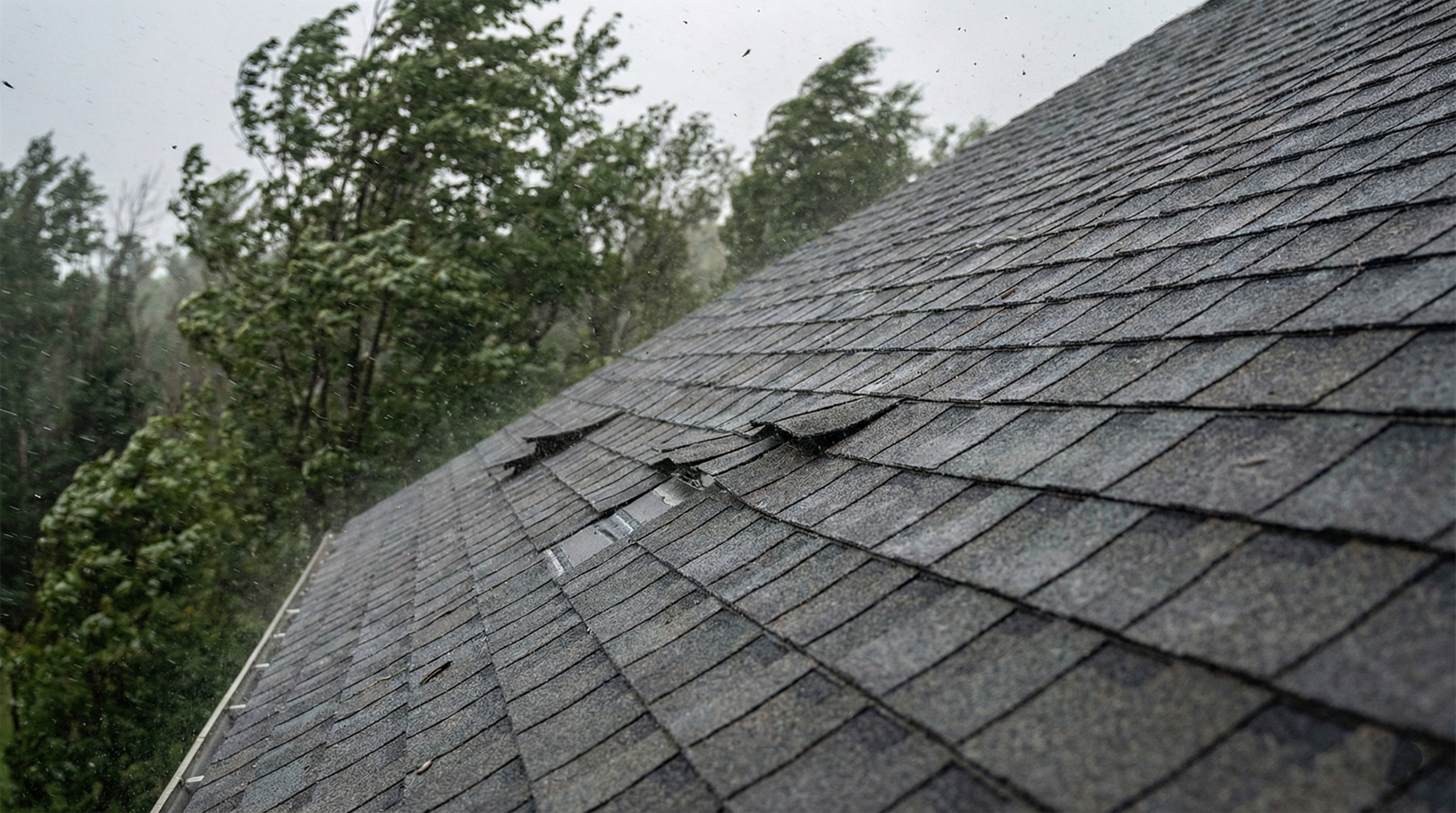
3-tab shingles can meet wind requirements, but they’re often chosen in ways that reduce weather performance: lowest bid, minimal accessories, and less attention to high-wind details.
The point isn’t to blame 3-tabit’s to recognize the pattern and correct it if you’re choosing 3-tab intentionally.
The first anchor is the same: the IRC requires labeling for ASTM wind-resistance test compliance ASTM D7158, with an exception pathway via ASTM D3161 for products outside D7158’s scope.
That means you can and should treat the shingle wrapper or product literature like a spec sheet, not a marketing flyer.
The second anchor is warranty reality. Manufacturers note that warranted wind coverage varies by product and depends on installation requirements. A 3-tab shingle can be installed in a way that meets minimum code, but not necessarily in a way that meets higher warranty coverage.
If you’re in a wind-prone area, this is where details like nailing patterns and starter strips matter. Practical guidance documents based on building code discussions often highlight increased fastening requirements in higher wind zones.
The third anchor is real-world sensitivity. IBHS research found that wind uplift resistance for self-sealing shingles can be affected by installation at colder temperatures and by roof slope.
This matters because 3-tab shingles are commonly used in value-driven projects, and value-driven projects sometimes get scheduled for when the crew is available, not when conditions are ideal. If shingles don’t seal promptly, they can be more vulnerable early on.
In hail regions, impact resistance becomes its own conversation. UL 2218 classes apply to roof coverings more generally, and while many impact-rated products are architectural, you should still ask whether a 3-tab option exists with the rating you want or whether choosing architectural is the practical route to Class 4 availability.
IBHS provides the clearest plain description of UL 2218’s steel-ball classification sizes.
- So, when does 3-tab perform well in weather?
- Moderate exposure
- Simple roof geometry
- Careful installation with correct details
- A homeowner who understands that budget should not mean bare minimum.
Takeaway: 3-tab shingles can perform adequately in weather, but performance depends heavily on ASTM labeling, proper fastening/sealing, and installation conditions, not the shingle format alone.
Installation And Maintenance: What Changes Between Architectural And 3-Tab
Installation quality is the quiet multiplier. It can turn a midrange shingle into a strong roof or turn a premium shingle into a disappointment.
Architectural shingles are thicker and more dimensional, which can make alignment slightly more nuanced on complex roofs.
Valleys, hips, and ridgelines demand a clean layout so the pattern looks intentional. Because architectural shingles create shadow lines, layout errors can show as irregular rhythm rather than obvious crooked tabs.
3-tab shingles are visually more uniform, so small alignment errors can read as wavy rows. The grid-like look is unforgiving: a slight drift is easier to see from the street. Repairs also need care, because a swapped shingle can stand out sharply.
For both types, the highest-value installation questions are the same:
- Are you installing according to the manufacturer’s requirements for wind coverage and sealing?
- Are starter strips and edge details included and correct?
- Are flashings, valleys, and penetrations treated as a system, not an afterthought?
Manufacturers explicitly emphasize that warranted wind coverage varies and depends on the product’s installation guide.
And IBHS research reinforces why: sealing and installation conditions influence uplift resistance.
Maintenance is also shared across types. A roof lasts longer when water moves off it cleanly, and debris doesn’t linger. That means:
- Keep gutters and downspouts clear.
- Trim overhanging branches that drop debris and scrape granules.
- Address small flashing issues quickly, before water gets behind surfaces.
Here’s a homeowner-friendly checklist you can use with any contractor:
- Bid + install checklist: Use this before signing
- Shingle line and color documented in writing for future matching.
- ASTM wind-resistance labeling verified on the product spec or wrapper.
- High-wind installation requirements, nailing/starter details confirmed for your region.
- Flashing scope stated chimneys, walls, valleys, and vents.
- Ventilation plan addressed balanced intake/exhaust.
- Cleanup and post-install inspection included.
Takeaway: Installation and maintenance decide more outcomes than the label, so treat the roof as a system and demand a clear scope before you debate shingle type.
Factors That Influence Durability
If two homeowners install the same shingle and one roof fails early, the cause is often not the shingle; it’s the conditions surrounding it. Durability is a system outcome.
Ventilation And Heat Management
Hot attics accelerate aging. Heat cycles can stress materials; trapped moisture can affect decking and underlayment. Even when a shingle meets a product standard at manufacture, field conditions determine how it lives.
Industry guidance around ASTM D3462 compliance underscores the as-manufactured nature of standards, which is a polite way of saying: don’t ignore the environment you’re putting the product into.
Installation Temperature And Sealing
Self-sealing shingles rely on adhesive bonding. IBHS research explored wind uplift sensitivity to installation temperatures below 40°F and found meaningful effects again, for both 3-tab and architectural products.
If a roof is installed cold and then hit by wind before it seals, you can see damage that resembles bad shingles but is actually due to bad timing.
Roof Slope And Geometry
Slope affects water shedding and can influence wind forces. IBHS examined slope as part of wind uplift sensitivity testing. More valleys and intersections also mean more flashing details, more places where workmanship matters.
Edge And Flashing Details
The shingle field gets attention; the edges are where failures often begin. Starter strips, drip edge integration, and clean flashing transitions are durability investments. A roof that leaks at a wall intersection doesn’t care whether your shingles are architectural.
Debris, Algae, And Maintenance Habits
Organic buildup holds moisture. Moss can lift edges and create pathways for wind-driven rain. Regular cleaning done safely and simple prevention measures, such as trimming branches, can extend service life.
Repairability And Documentation
Durability includes your ability to restore the roof after minor damage. If your shingle line is hard to match later, a small repair can become a big decision. Discontinuation pressures in some 3-tab lines show why documenting the exact product matters.
Takeaway: Durability isn’t just what you buyit’s how the roof is designed, installed, ventilated, and maintained in the real world.
Cost And Value: Architectural Vs 3-Tab
Cost is where homeowners most often get pushed into false choices: save money versus buy quality. A smarter approach is value per year of ownership, with repair and replacement disruption included mentally, even if you don’t put it in a spreadsheet.
Upfront cost: 3-tab shingles are typically cheaper at the material level, and they’re commonly used in value-driven replacements.
Architectural shingles usually cost more, both because the product itself is heavier/more complex and because it’s often paired with higher-tier accessory systems and longer warranty structures.
But value isn’t a receipt; it's a timeline. Consider two illustrative homeowners: Homeowner A sells in 4 years.
Their goal is clean curb appeal and a roof that won’t become a negotiation point in inspections. If their climate is moderate and the roof is simple, a well-installed 3-tab roof can be a rational right-sized investment, especially if local supply is stable for spot repairs.
Homeowner B stays 18 years. Their goal is to avoid a second replacement and reduce storm anxiety.
Architectural shingles can be a better value because they tend to offer greater durability, headroom, and broader high-performance options when paired with correct installation requirements.
Here’s the simplest cost-per-year math illustrative numbers only:
3-tab installed cost: $10,000; expected usefulness for your timeline: 10 years → $1,000/yearArchitectural installed cost: $12,500; expected usefulness for your timeline: 18 years → $694/year
That’s not proof that architecture always wins. It’s a reminder that a slightly higher upfront cost can be cheaper over time if it delays replacement and reduces repairs.
Now add the modern repairability variable. If a specific 3-tab line has been reduced or discontinued in your area, the cheap roof may carry a hidden future cost: harder matching, longer lead times, and more compromise during repairs.
Takeaway: Compare bids on the same scope, then choose based on your timeline and repair reality because that’s where true value lives.
What Is The Best Option For Your Home?
This is the decision section, the part you can use even if you switch brands or talk to three different contractors.
Pros And Cons Of Architectural Shingles
Pros
- Stronger dimensional aesthetics: better shadow lines, richer look on complex roofs.
- Often, broader access to higher wind/impact product lines and system options.
- More forgiving visuals as the roof ages texture hides minor variation.
- Common primary product families may reduce future matching headaches.
Cons
- Higher upfront cost.
- Heavier materials and more pronounced patterns mean a sloppy layout can look messy.
- Better still depends on installation: sealing, nailing, and detailing remain decisive.
Pros And Cons Of 3-Tab Shingles
Pros
- Lower upfront cost; strong fit for budget-driven projects.
- Clean, traditional uniform appearance, especially on simple roof forms.
- Works well for garages, sheds, rentals, and short ownership horizons.
- Widely available in general, including major manufacturer offerings.
Cons
- Less visual depth; can look thin on steep or prominent roofs.
- Uniform pattern makes mismatch repairs more obvious.
- Some product lines have been reduced or discontinued in certain markets, increasing local matching risk.
The Decision Shortcut
| If this describes you… | Best default choice |
| Staying long-term, want fewer headaches, higher wind/hail exposure | Architectural (then pick ratings + system install details) |
| Selling soon, moderate exposure, budget is tight, roof is simple | 3-tab (only after verifying local availability/matching) |
| Hail-prone region, and you want impact-rated options | Often Architectural, because Class-rated options are more common |
| You hate the idea of mismatch repairs | Lean Architectural (or verify your exact 3-tab line’s continuity) |
One last illustrative scenario: two neighbors choose different roofs, and both are right. The short-term seller chooses 3-tab, documents the exact line and color, and keeps the roof clean for inspections.
The long-term owner chooses architecture, insists on manufacturer-required install details, and treats ventilation and flashing as non-negotiable. The best option isn’t universal; it's aligned.
Final takeaway: Pick the shingle type that fits your timeline and exposure, then protect that decision by demanding a clear scope and standards-based confirmation of wind/impact intent.
Also Check Out: Mineral Paint Vs Acrylic For Interiors
Frequently Asked Questions (FAQ)
Which Is Better, 3-Tab Or Architectural Shingles?
Architectural is usually better for durability and storms; 3-tab can fit tight budgets or short ownership timelines. The best choice hinges on exposure, timeline, and repair matching risk.
Do Architectural Shingles Last Longer Than 3 Tab?
Typically yeslaminated construction resists cracking and wind uplift better, extending service life when installed and ventilated correctly. Real-life performance varies with sealing, slope, and installation conditions.
What’s The Main Difference Between 3-Tab And Architectural Shingles?
3-tab is a single, flat layer with cut tabs; architecture is laminated for thickness, texture, and generally higher performance potential. The thicker profile also creates more shadow and a richer look.
Are 3-Tab Shingles Being Discontinued?
Availability is shrinking in some markets; verify local supply if you may need future repairs or matching. Some lines have been discontinued in certain regions, while major brands still sell 3-tab products.
Why Are 3-Tab Shingles Being Phased Out?
Demand shifted to architecture for durability/looks; manufacturers streamline lines, which can reduce 3-tab options in some regions. Product-line changes are often framed as aligning offerings with market demand.
What’s The Cost Difference Between 3-Tab And Architectural Shingles Installed?
Architectural usually costs more upfront; the gap depends on roof complexity, labor rates, and product line. Compare bids on the same scope. A cost-per-year view is often more honest than sticker price.
Are Architectural Shingles Worth The Extra Cost?
Often, yes, when you’ll stay longer or face wind/hail, the added years of service can lower the cost per year. The value depends on correct installation and roof-system details.
Which Shingles Are Better For High Wind?
Choose products tested/labeled for higher wind classifications and installed per the manufacturer’s high-wind instructions. Coastal guidance emphasizes installation methods, not ratings alone.
What Do Astm Wind Classes Actually Mean?
They’re standardized lab classifications, not a guarantee, that indicate tested resistance to uplift under defined methods and conditions. Code references labeling to ASTM methods to align products with wind zones.
What Does Ul 2218 Class 4 Mean For Hail?
It indicates higher impact resistance in a steel-ball drop test; it can reduce damage risk, but real storms still vary. Consider it risk reduction, not invincibility.
Can I Mix 3-Tab And Architectural Shingles On The Same Roof?
Usually not recommended for primary roof planes; mixing can look uneven and may complicate performance and warranty alignment. If it’s unavoidable, small outbuilding transitions, ask the manufacturer/roofer for an acceptable detail.
Are 3-Tab Shingles Okay For A Garage Or Shed?
Often, yes, simple structures and mild exposures can justify 3-tab if cost is the priority and matching risk is acceptable. Confirm the shingle line is still locally available if you need to repair it later.
Do Architectural Shingles Need Special Roof Support?
They’re heavier than 3-tab, but still light compared to tile/slate; older structures should be evaluated if loads are a concern. When in doubt, a local pro can assess framing and decking conditions.
Which Option Is Better For Resale/Curb Appeal?
Architectural styles usually look richer due to shadow lines and texture, which can improve perceived quality when buyers compare homes. It’s especially noticeable on complex roof geometry and steep pitches.
How Do I Choose If I’m Selling In 3–5 Years?
Prioritize cost and good enough durability; weigh whether the architectural’s nicer look will matter more than its longer life. Also consider whether local 3-tab availability could complicate future repairs.
What Should I Check In A Contractor Quote?
Confirm tear-off scope, underlayment, ventilation items, flashing, and the exact shingle line and wind/impact installation requirements. Wind warranties often depend on following the manufacturer's installation guide.
Conclusion
If you want one rule that covers most homeowners: choose architectural shingles unless your budget and timeline clearly favor 3-taband you’ve verified local availability for future matching.
Architectural typically buys you a better design presence and more performance headroom, but no shingle wins if the roof system is under-built or the installation skips the details that make sealing and wind resistance work.
If you’re collecting bids, print the bid-review checklist, make contractors quote the same scope, and you’ll turn a confusing comparison into a clean decision.
Jump to
3-Tab Shingle Vs Architectural Shingle: A Design & Value Comparison
Differences Between 3-Tab Shingles Vs Architectural Shingles
Similarities Of Architectural Shingles Vs 3-Tab
Architectural Shingles: Physical Composition And Design Appearance
3-Tab Shingles: Physical Composition And Design Appearance
Architectural Shingles: Lifespan, Durability, And What Drives It
3-Tab Shingles: Lifespan, Durability, And What Drives It
Architectural Shingles: Wind Resistance And Weather Performance
3-Tab Shingles: Wind Resistance And Weather Performance
Installation And Maintenance: What Changes Between Architectural And 3-Tab
Factors That Influence Durability
Cost And Value: Architectural Vs 3-Tab
What Is The Best Option For Your Home?
Frequently Asked Questions (FAQ)
Conclusion

George Evans
Author
George Anderson, an exceptional architectural designer, envisions and brings to life structures that transcend the realm of imagination. With an unwavering passion for design and an innate eye for detail, George seamlessly blends form and function, creating immersive spaces that inspire awe.
Driven by a deep appreciation for the interplay of space, light, and materials, George's innovative approach redefines the possibilities of architectural design. His visionary compositions leave an indelible mark, evoking a sense of wonder and transforming the built environment.
George Anderson's transformative designs and unwavering dedication continue to shape the architectural landscape, pushing the boundaries of what is possible and inspiring generations to come.
Latest Articles
Popular Articles