From Blueprint To Build: Architectural Considerations In Aging-in-Place Homes
It’s easy to put off home updates when everything still works fine. But for many people thinking ahead, the way a home functions matters more than ever.
Author:George EvansJul 16, 202555 Shares55K Views
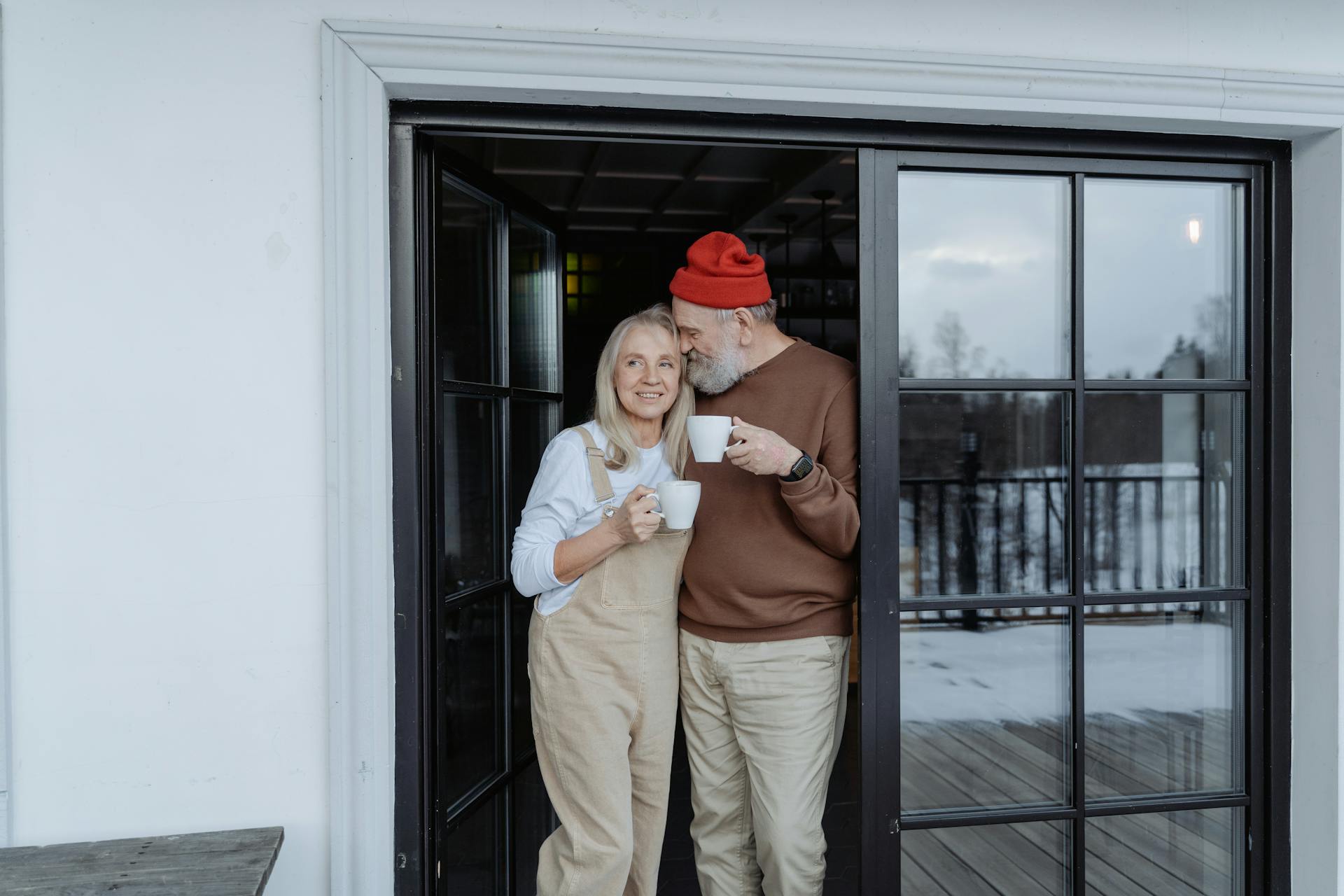
It’s easy to put off home updates when everything still works fine. But for many people thinking ahead, the way a home functions matters more than ever. Aging-in-place design is becoming a practical choice for homeowners who want to stay independent for as long as possible.
In growing cities like Fort Worth, where many neighborhoods include older homes or multi-generational households, these updates are starting to show up in more remodeling projects. Whether you’re planning your own future or helping a parent stay comfortable at home, small design changes can make a big impact.
Designing For Everyday Function And Long-Term Safety
When you're designing for aging in place, you don’t need to change everything, but focusing on how people move through the home can make a big difference. Things like narrow doorways, steep steps, and small bathrooms may not feel like problems now, but they can become harder to manage over time. That’s why layout changes are often one of the first steps. Open spaces, wide walkways, and clear paths from room to room make it easier to use mobility aids and reduce the risk of accidents.
Some homeowners start with high-traffic areas, especially bathrooms. If you're thinking about bathroom remodeling in Fort Worth, you're not alone. Bathrooms are one of the most common rooms to update for safety. Small tweaks like installing grab bars, choosing slip-resistant flooring, or swapping a tub for a walk-in shower can help prevent falls and make daily routines more manageable. These changes are simple but practical, and they still leave plenty of room for stylish design choices.
Smart Floor Plans That Support Independence
It’s not just about removing hazards—it’s also about planning a layout that works for the long haul. One of the most helpful changes is placing a full bedroom and bathroom on the main level. That way, if stairs become difficult later, the homeowner can still access all essentials without needing to move.
Open floor plans also play a big role. When walls or narrow doorways break up the space too much, it becomes harder to navigate. Wide, open spaces let people move more freely, whether they’re using a walker, wheelchair, or just want to avoid tight corners. If you’re designing or remodeling, this is something to think about early on.
Flow also matters. Bedrooms that are close to bathrooms, or kitchens near the main living space, make it easier to get around without too much walking or backtracking. These types of small layout choices support both convenience and safety.
Easy-to-Reach Fixtures And Smart Storage
Every day tasks should feel simple, not stressful. Aging-in-place design includes small but important details that reduce strain, like placing items within reach or using easier hardware.
In kitchens, think about switching from deep cabinets to pull-out drawers. It’s easier to see what you have and grab what you need without reaching too far. Lowering counters or choosing a mix of counter heights can also help, especially if someone prefers to sit while prepping food. In both kitchens and bathrooms, adding open shelving or shallow storage helps keep everything visible and accessible.
The same logic applies to hardware. Lever-style door handles are easier to use than knobs. Rocker light switches are simpler to press. Consider placing switches, outlets, and controls at heights that don’t require stretching or bending.
None of these features take away from the look of a space—they just make it work better for everyone.
Lighting, Flooring, And Other Safety Features
Lighting is one of the most overlooked features in home design, but it matters a lot when you're thinking long-term. Bright, even lighting helps reduce falls, especially in hallways and staircases. It also supports healthy vision and makes daily tasks easier.
Motion-sensor lights are great for nighttime—whether in bathrooms or bedrooms—and they turn on without needing to flip a switch in the dark. Dimmers are another smart option, allowing you to control the brightness based on time of day or mood.
Flooring should also be part of the safety plan. Smooth, non-slip surfaces are ideal. Avoid area rugs that can bunch or slide. Choose materials that are easy to clean but don’t become slippery when wet. Transitions between flooring types should be level, so there’s no bump or edge to trip over. Even changing the color or texture slightly can help people with vision limitations see where one space ends and another begins.
Good safety design doesn’t have to feel clinical. It’s about removing hidden risks and making the home feel open and easy to navigate.
Exterior And Entryway Adjustments
The front entry of a home is the first point of access, and it should be just as user-friendly as the inside. One of the most common upgrades is switching to a no-step entry. Even a single step can become a barrier over time, especially for wheelchairs, walkers, or strollers. Adding a small ramp or grading the walkway to create a flat entrance makes a big difference.
Front doors should be wide enough to allow easy passage, and handles should be simple to open. Covered entryways offer weather protection, making things safer during rainy or icy days. If you have a garage, think about leaving enough space around the car to move safely when loading groceries, getting in and out of the vehicle, or using assistive equipment.
All of these changes help create a smoother, safer experience from the moment you arrive home.
Good design isn’t about making a house look perfect—it’s about helping it function well for your needs. Aging-in-place homes focus on safety, comfort, and long-term usability, without sacrificing style. You don’t have to renovate everything all at once. Start with what’s most used—like the bathroom or kitchen—and go from there. Even a few thoughtful updates can make a big difference.
If you're in the planning stage, or even just starting to notice what might become harder in a few years, now’s a great time to take action. A well-designed home can support you through every chapter of life.

George Evans
Author
George Anderson, an exceptional architectural designer, envisions and brings to life structures that transcend the realm of imagination. With an unwavering passion for design and an innate eye for detail, George seamlessly blends form and function, creating immersive spaces that inspire awe.
Driven by a deep appreciation for the interplay of space, light, and materials, George's innovative approach redefines the possibilities of architectural design. His visionary compositions leave an indelible mark, evoking a sense of wonder and transforming the built environment.
George Anderson's transformative designs and unwavering dedication continue to shape the architectural landscape, pushing the boundaries of what is possible and inspiring generations to come.
Latest Articles
Popular Articles