Architectural Theory And Criticism - Ideas, Judgment, And Power Explained
Over time, as architectural practices evolved and became more complex, so too did the discourse surrounding them. Today, architectural theory and criticism are central to the field, serving as important tools for architects and designers.
Author:George EvansMay 29, 20263.9K Shares443K Views

What Architectural Theory And Criticism Really Are, And How They Shape Everything We Build
Every building tells a story. Not just in the obvious sense of what it looks like, but in the deeper sense of what ideas produced it, what values it encodes, and whose vision of the world it makes permanent in stone, steel, and glass.
Most people walk past buildings every day without accessing that story. Architectural theory and criticismare the tools that make it readable. The challenge is that both fields have a reputation for impenetrability.
Architectural theory can feel like philosophy dressed in blueprints, full of dense language and abstract ideas that seem far removed from the experience of entering a room or standing in a courtyard. Architectural criticism, meanwhile, is often dismissed as the opinion of specialists talking to other specialists.
Important Information
- Architectural theory provides the conceptual frameworks that define what architecture should be and do
- Architectural criticism applies those frameworks to evaluate specific buildings, movements, and architects.
- The major theoretical movements include modernism, postmodernism, deconstruction, critical regionalism, and phenomenology.
- Key thinkers include Vitruvius, Le Corbusier, Venturi, Frampton, Eisenman, and Koolhaas.
- Contemporary theory increasingly engages sustainability, digital design, social equity, and post-colonial critique.
Theory Vs. Criticism: A Distinction That Actually Matters
Most writing on this subject treats theory and criticism as interchangeable. They are not, and understanding the difference between them is the foundation for understanding either one clearly. The conflation is understandable because both disciplines draw on the same body of architectural knowledge, but they operate at different levels and serve different purposes.
What Architectural Theory Is And What It Does
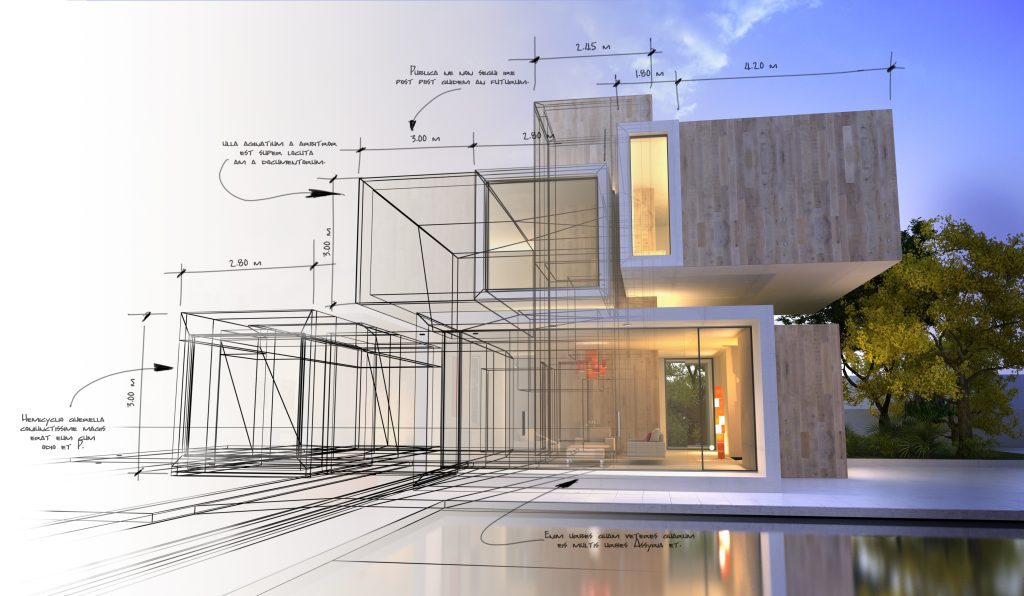
Architectural theory is a body of ideas that attempts to answer a fundamental question: what should architecture be, and why? It operates at the level of principles. A theory might argue that buildings should express the structural logic of their materials, or that they should reflect the cultural identity of the communities they serve, or that form should follow function without decoration or historical reference.
Theory does not describe what buildings are. It prescribes what they ought to be, which is why it is normative by nature and why theoretical positions in architecture have always been fiercely contested. Different movements produce buildings that look and feel so radically different from one another precisely because they begin from different theoretical premises about what architecture is for.
What makes theory powerful is that it shapes practice long before a single line is drawn. When an architect decides to expose the structural frame of a building, or to embed local stone into a facade, or to organize a floor plan around natural light, those decisions are theoretical ones, even when the architect makes them intuitively. Theory is the water that practice swims in.
What Architectural Criticism Is And How It Works
Architectural criticism is the practice of evaluating specific buildings, architects, or movements using a combination of aesthetic judgment, theoretical knowledge, cultural analysis, and lived experience. Where theory operates at the level of ideas, criticism operates at the level of the particular. A critic stands in front of a building and asks: " Does this work? Does it succeed on its own terms? Does it serve the people who use it?
Good criticism is not simply opinion. It is reasoned judgment supported by criteria, and those criteria are drawn, consciously or not, from the theoretical frameworks that shape how we think about architecture at any given moment in history. A critic who praises a building for its honesty of materials is implicitly invoking a modernist theoretical value, even if they never name it as such.
Criticism also takes many forms. It can appear as a review in an architectural journal, a lecture, a book-length study of a single architect's work, or a newspaper column written for a general audience. What unifies these forms is the act of bringing informed judgment to bear on a specific architectural object or condition, and making that judgment legible and useful to others.
Why The Distinction Between Them Matters
The relationship between theory and criticism is reciprocal and generative. Theory without criticism remains abstract and untested, a set of elegant propositions with no contact with the messy reality of actual buildings and the people who inhabit them. Criticism without theory lacks the conceptual grounding to do more than describe personal preference or rehearse conventional aesthetic judgments.
The most valuable architectural writingoperates in the space between them, using theoretical frameworks to illuminate real buildings and using real buildings to test and challenge theoretical claims. When Kenneth Frampton writes about a building by Alvaro Siza, he is doing both simultaneously, and the result is richer than either pure theory or pure description could produce alone.
Understanding this relationship also explains why architectural debates can feel so fierce. When critics disagree about a building, they are often disagreeing about something deeper: which theoretical values should govern judgment in the first place. The argument about the building is really an argument about architecture itself.
The Origins Of Architectural Thought: From Vitruvius To The Enlightenment
Architectural theory did not begin with modernism or with any twentieth-century movement. Its roots go back more than two thousand years, and the questions posed by the earliest theorists remain surprisingly relevant today. The history of architectural thought is, in many ways, the history of how different cultures and different moments have answered the same enduring question: what is a building for?
Vitruvius And The First Framework: Firmness, Commodity, And Delight
The Roman architect and engineer Vitruvius, writing in the first century BCE, produced the earliest surviving architectural treatise: De Architectura. His central argument was that good architecture must satisfy three criteria simultaneously:
- Firmitas:structural soundness and durability
- Utilitas:functional usefulness and practical efficiency
- Venustas:beauty and aesthetic pleasure
This framework has survived for over two thousand years because it captures something genuinely true about what buildings must do. Every theoretical movement since Vitruvius has implicitly argued about how these three values should be weighted, combined, or redefined.
Modernism would later emphasize firmitas and utilitas while treating venustas with deep suspicion. Postmodernism would reclaim venustas by other means. The Vitruvian triad is not a solution to the problem of architecture, but it remains the clearest statement of what the problem actually is.
Renaissance Theory And The Rebirth Of Architectural Humanism
The Renaissance brought architecture back into dialogue with classical antiquity. Theorists like Leon Battista Albertireinterpreted Vitruvius through a humanist lens, arguing that architecture should express the rational order of the universe and the dignity of the human body. The proportional systems of classical architecture were understood not as arbitrary aesthetic conventions but as reflections of natural law.
This was a theory as a moral claim: the idea that the right proportions and the right forms were not matters of taste but were rooted in something true about human nature and the cosmos. Architecture, in this view, was not decoration applied to a structure but the visible expression of universal order. It is a position that carries enormous ambition, and one that would echo through architectural thought for centuries to come.
What the Renaissance also established was the figure of the architect as intellectual, someone whose authority rested not merely on craft knowledge but on theoretical learning. Alberti himself was a humanist scholar first and a practicing architect second. That framing of architecture as a learned discipline, requiring both technical mastery and theoretical depth, shaped how the profession understood itself for the next five hundred years.
The Enlightenment And The Birth Of Architectural Criticism
The Enlightenment transformed architectural thinking by introducing rational inquiry and public debate into the evaluation of buildings. Critics like Marc-Antoine Laugier argued for a return to structural honesty, stripping away decorative excess to reveal the essential logic of construction. The primitive hut became a theoretical touchstone: a model of architecture reduced to its irreducible elements of column, beam, and roof.
The public began to form opinions about buildings, and those opinions began to matter in new ways. Salons, pamphlets, and eventually journals created spaces for architectural debate that extended beyond the closed world of patrons and guilds. Buildings became subjects of public discourse, assessed against evolving standards of taste, rationality, and social purpose.
This period marks the emergence of architectural criticism as a recognizable practice distinct from technical or professional judgment. The critic was a new kind of figure: someone whose authority derived not from the ability to build but from the ability to evaluate, interpret, and communicate the meaning of what had been built. That figure has been central to architectural culture ever since.
Modernism And The Idea That Architecture Could Change The World
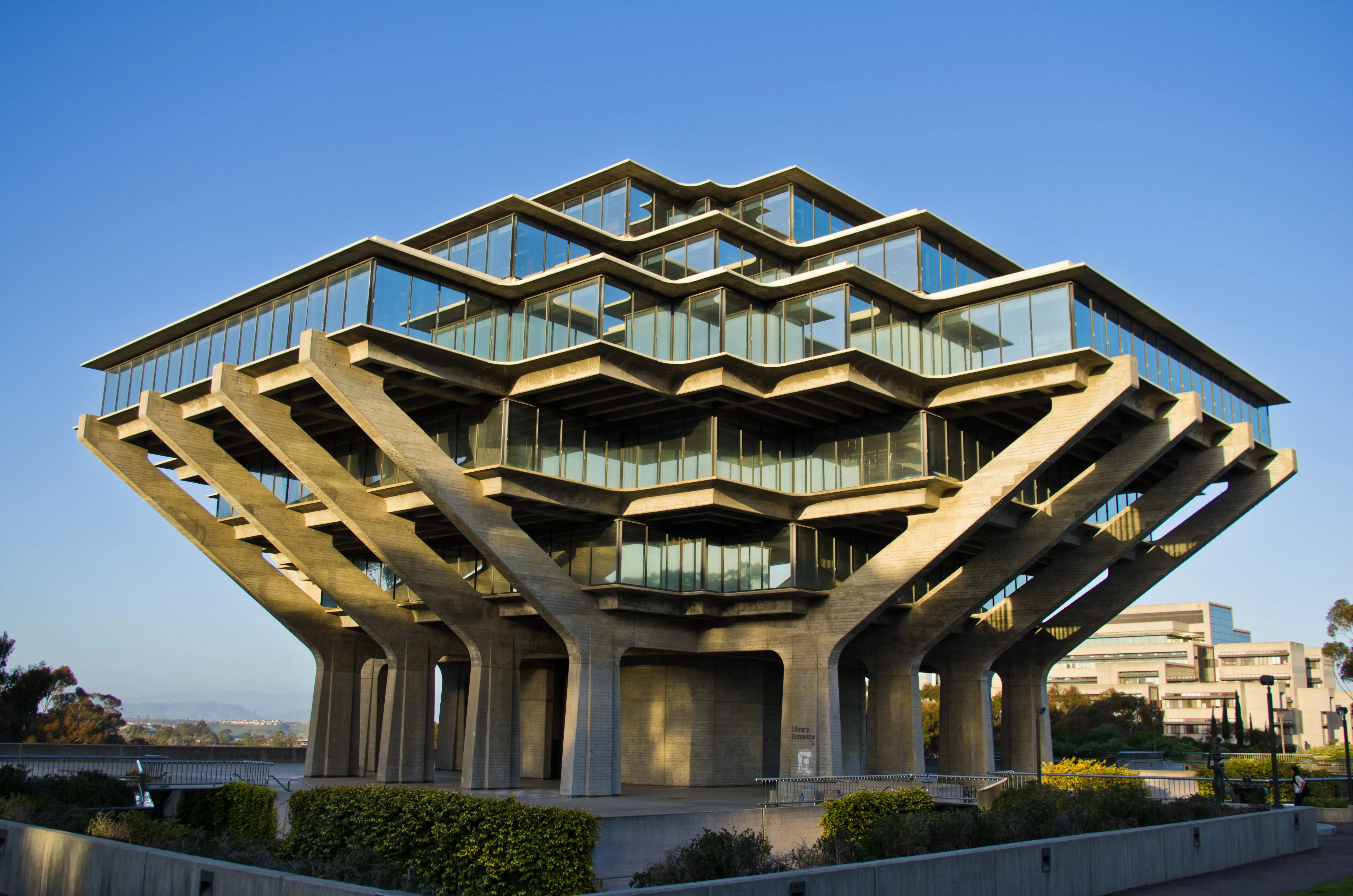
No theoretical movement has shaped the built environment more completely than modernism, and no movement has attracted more sustained criticism in its aftermath. Understanding modernism means understanding both its genuine ambitions and its significant failures, because both are instructive.
The Core Principles Of Modernist Theory
Modernism in architecture emerged in the early twentieth century as a response to industrialization, social upheaval, and the perceived bankruptcy of historical styles. Its core principles were radical and interconnected:
- Form should follow function: a building's appearance should express its purpose and structure, not imitate historical styles
- Ornamentation is dishonest: decoration applied to a surface conceals rather than reveals the truth of construction
- Architecture has a social mission: rational, well-designed spaces could improve human lives and help build a more just society.
- Universal principles exist: good design transcends culture and geography
These principles were not merely aesthetic preferences. They were ethical commitments, and they were held with genuine conviction by architects who believed that design could be a force for social transformation.
The modernist project was also inseparable from the technologies of its moment. Reinforced concrete, steel frames, and plate glass made new forms possible, and modernist theory argued that these new possibilities were not just available but obligatory. To build in historical styles when new materials and new social conditions demanded new forms was, in the modernist view, a kind of dishonesty.
Le Corbusier, Mies Van Der Rohe, And The Modernist Vision
Le Corbusier and Mies van der Rohe were the two figures who most forcefully translated modernist theory into built form. Le Corbusier's five points of architecture, including pilotis, free facades, and roof gardens, were not stylistic preferences but theoretical propositions about what the machine age demanded of buildings. His declaration that a house is a machine for living in was meant as liberation, not reduction.
Mies pursued a different but equally rigorous logic: the reduction of architecture to its essential structural and spatial elements, expressed with absolute clarity of material and detail. His glass towers and open-plan pavilions proposed that architecture's highest achievement was the creation of universal, flexible space, freed from historical convention and expressive of structural truth.
Both architects believed they were not merely designing buildings but solving problems of human civilization. That ambition produced some extraordinary architecture and also produced a great deal of damage, particularly when their ideas were applied at scale by lesser hands, in contexts their originators never imagined, and for communities whose needs were never adequately considered.
The Limits And Failures Of Modernist Ideology
The failures of modernism were not accidental. They were embedded in its theoretical premises. The belief in universal principles ignores the reality that people are not universal. Communities displaced into modernist housing blocks experienced spaces that served an abstract theoretical vision rather than the actual patterns of their daily lives: their social habits, their relationship to the street, their need for territory, community, and legible place.
Jane Jacobs, in her critique of urban modernism, documented how the demolition of dense, mixed-use neighborhoods in favor of rational planning destroyed exactly the social fabric that made cities livable. The lesson was hard-won: theory disconnected from the lived experience of real people produces environments that work on paper and fail in practice. Modernism at its best was visionary. At its worst, it was authoritarian.
What modernism left behind, despite its failures, was a set of questions that architecture still cannot avoid. Questions about the honesty of construction, about the relationship between form and function, about architecture's social responsibilities. Modernism's answers were often wrong, but its questions were the right ones, and every subsequent theoretical movement has had to define itself in relation to them.
Postmodernism: When Architecture Learned To Talk Back
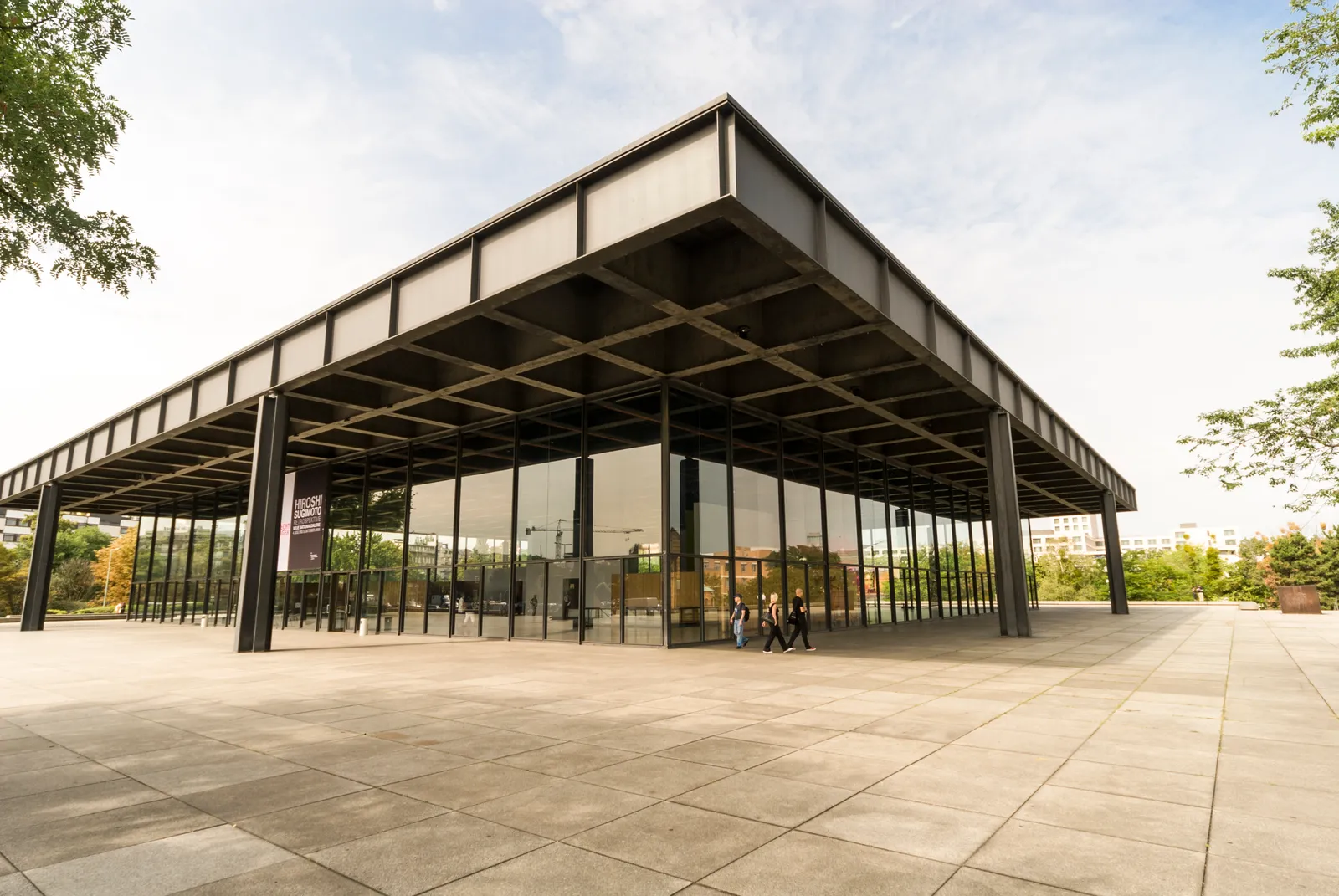
If modernism was architecture speaking with the authority of universal reason, postmodernism was architecture learning to laugh, reference, and argue back. It was a decisive break with everything modernism held sacred, and it changed the discipline permanently, for better and for worse.
Venturi's Challenge: Complexity And Contradiction
Robert Venturi's 1966 book, Complexity and Contradiction in Architecture, is one of the most consequential texts in the history of architectural theory. Its opening line, a deliberate inversion of Mies van der Rohe's famous dictum, announced a new position with quiet confidence: less is a bore.
Venturi argued that modernism's pursuit of purity and universal principles had produced buildings that were intellectually coherent but experientially impoverished. Real architecture, like real life, is messy, ambiguous, and layered with meaning and historical reference. Buildings should embrace that complexity rather than suppress it in the name of theoretical consistency.
The book was not a manifesto for decoration or nostalgia. It was a serious argument about the nature of meaning in architecture, drawing on examples from Roman Baroque churches to Main Street commercial strips to demonstrate that richness, ambiguity, and contradiction were not failures of design but genuine architectural resources. Venturi permitted architects to look at the full range of architectural history and popular culture as legitimate sources of inspiration.
Postmodern Architecture In Practice
Postmodern architecture in practice drew on historical styles, decorative elements, irony, and symbolism in ways that modernism had categorically rejected. Philip Johnson's AT&T Building in New York, with its Chippendale broken pediment crowning a corporate skyscraper, became an instant symbol of the postmodern moment. It was provocative, knowing, and deeply divisive.
The theoretical core of postmodernism was pluralism: the rejection of the idea that any single set of principles could or should govern all architecture in all contexts. History, culture, place, and the preferences of building users all became legitimate inputs into design decisions. Where modernism had sought to erase the past in the name of the future, postmodernism insisted on bringing the past back into conversation with the present.
This pluralism had genuine value. It opened architecture to voices, references, and traditions that modernism had dismissed or suppressed. It made possible a more culturally diverse and contextually sensitive practice. But it also opened the door to a kind of superficial historicism that used classical columns and decorative facades as marketing tools rather than meaningful architectural statements.
The Criticism Of Postmodernism
Postmodernism generated its own fierce critics almost from the moment it emerged. Many argued that its embrace of historical reference was fundamentally superficial, reducing centuries of architectural culture to a costume wardrobe available for any occasion. The irony that postmodernism celebrated often felt like a way of avoiding the hard questions that serious architecture must face.
Others pointed out that its playfulness served corporate clients and wealthy patrons far better than it served communities in genuine need of thoughtful, committed design. A skyscraper wearing a decorative hat is still a skyscraper, and the communities displaced to build it are not consoled by the wit of its pediment.
The most enduring critique was that postmodernism dissolved the critical edge of architecture without replacing it with anything equally rigorous or socially committed. It was consistently more effective at saying no to modernism than at saying yes to something genuinely different. That gap between critique and construction left the discipline searching for a new theoretical foundation throughout the 1990s and beyond.
Deconstruction, Phenomenology, And Critical Regionalism
The 1980s and 1990s produced three theoretical frameworks that responded to both modernism and postmodernism in distinct and productive ways. Each addressed a different dimension of what architecture could and should be, and each has left a lasting mark on how architects and critics think today.
Deconstructivist Architecture: Destabilizing Form
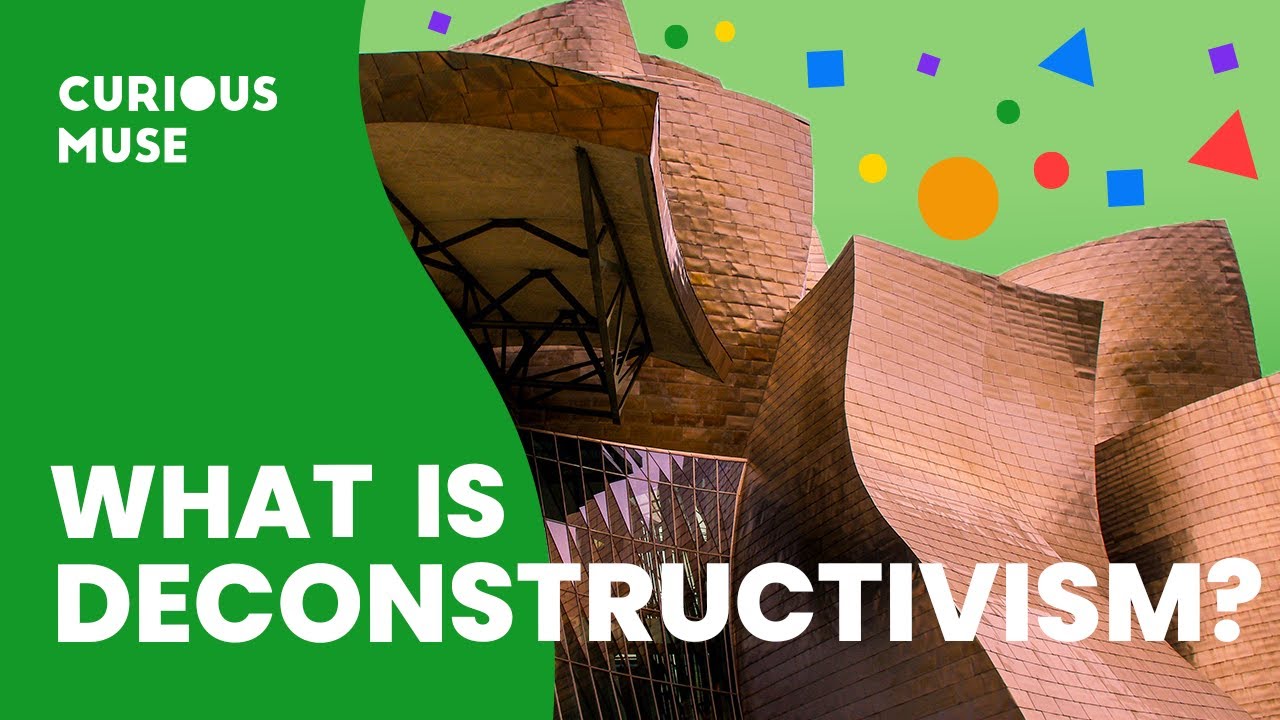
Deconstructivism in 7 Minutes: Architecture Pushed To The Limit?
Deconstructivist architecture, associated with architects like Peter Eisenman, Frank Gehry, and Zaha Hadid, drew on the philosophical work of Jacques Derrida to challenge the assumptions built into conventional architectural form. If modernism believed in structural logic and postmodernism believed in historical legibility, deconstruction believed in neither and was not shy about saying so.
Deconstructivist buildings fragment, displace, and destabilize conventional formal elements. The goal is to make visible the contradictions and instabilities that conventional architecture conceals beneath its ordered surfaces. The results are buildings that can feel thrilling or bewildering, depending on your theoretical sympathies and your tolerance for spaces that resist easy interpretation.
The significance of deconstruction lay not just in its formal experiments but in its insistence that architecture was a field of meaning, not merely a field of function or beauty. By treating buildings as texts that could be deconstructed, it deepened the discipline's engagement with philosophy and cultural theory, even as it produced forms that many users found alienating or impractical.
Phenomenology And The Architecture Of Experience
Architectural phenomenology turned away from formal and ideological questions to focus on something more immediate and more intimate: what does it actually feel like to inhabit a space? Drawing on the philosophy of Edmund Husserl and Martin Heidegger, theorists like Juhani Pallasmaa argued that architecture must engage the whole body and all the senses, not just the visual faculty.
Pallasmaa's influential text, The Eyes of the Skin, argued that modernism's obsession with the visual had produced architecture that photographs well but inhabits poorly. Phenomenology redirected critical attention toward texture, light, sound, materiality, and the temporal experience of moving through space. It asked not what a building means but what a building does to the body of the person inside it.
This shift had significant practical implications. It gave architects and critics a vocabulary for discussing aspects of architectural experience that formal analysis consistently missed: the warmth of a particular timber, the acoustic quality of a stone vault, the way a narrow corridor makes a subsequent open space feel more generous. Phenomenology restored the body to the center of architectural discourse.
Frampton's Critical Regionalism: Resisting The Generic
Kenneth Frampton's critical regionalism offered a carefully argued response to the homogenizing forces of global architecture. As international construction technologies and architectural styles spread across the world, local specificity was being erased. Buildings in Singapore, São Paulo, and Stockholm were beginning to look interchangeable, sharing the same curtain wall systems, the same spatial formulas, and the same indifference to local climate and culture.
Critical regionalism proposed that architecture should actively resist this homogenization by drawing on local climate, topography, materials, and cultural traditions. Not as nostalgia or pastiche, but as a genuine critical practice: using the specific conditions of a place as a design resource and a form of cultural resistance against the placeless universalism of global capital.
What made Frampton's position particularly nuanced was his insistence that critical regionalism was not a rejection of modernity but a way of inhabiting it more honestly. The goal was not to freeze local traditions in amber but to bring them into productive tension with contemporary construction and contemporary life. It remains one of the most coherent and practically useful theoretical frameworks in the discipline.
Architecture, Power, And Ideology
Architecture is never politically neutral. Every building reflects decisions about whose values, whose comfort, and whose vision of the world deserve to be made permanent in built form. Architectural theory has increasingly engaged with these questions, and criticism that ignores them produces an incomplete and often misleading picture of what architecture actually does in the world.
Whose Values Get Built?
The question of whose values get built is not abstract. For most of architectural history, the patrons of significant buildings were rulers, religious institutions, corporations, and economic elites. The theoretical frameworks developed to evaluate those buildings were shaped by the same cultural and economic forces that commissioned them in the first place.
This means that canonical architectural theory carries within it a set of assumptions about what architecture is for and who it serves. Those assumptions have not always been made explicit, but they are present nonetheless, encoded in judgments about what counts as beauty, what constitutes good urbanism, and which buildings deserve critical attention and which do not.
Feminist theorists, post-colonial critics, and community advocates have all challenged those assumptions in productive ways, expanding the discipline's understanding of what counts as good architecture. Their work has demonstrated that the criteria by which we judge buildings are never neutral: they reflect particular histories, particular power relationships, and particular visions of whose experience matters most.
Post-Colonial Critique And Social Architecture
Post-colonial architectural criticism examines how Western theoretical frameworks were exported through colonialism and imposed on built environments with entirely different cultural logics and spatial traditions. The question is not only what these frameworks got wrong in their new contexts, but what was lost when local architectural knowledge was displaced, devalued, or simply ignored.
Social architecture responds to these critiques by centering the needs and active participation of communities in the design process. It measures the success of a building not by its formal innovation or its theoretical coherence but by its tangible impact on the lives of the people who use it every day. A community center that genuinely serves its neighborhood is, by this measure, more successful than a celebrated cultural institution that is inaccessible to most of the people who live near it.
Both post-colonial critique and social architecture represent a broadening of what architectural theory and criticism are willing to take seriously. They have expanded the discipline's field of vision beyond the canonical works of a largely Western, largely male tradition, and they have insisted that the ethical dimensions of architecture are not separable from its aesthetic and formal dimensions. That insistence has made architectural criticism more honest and more useful.
Contemporary Theory: Where Architectural Thinking Is Now
Architectural theory in the twenty-first century is more pluralistic and more contested than at any previous moment. Several distinct frameworks now compete for influence, each responding to the particular pressures and possibilities of the present, and each raising questions that earlier theoretical movements were not equipped to address.
Parametric Design And Digital Theory
The rise of digital design tools has produced its own theoretical debates. Parametric design, in which algorithms generate form based on defined parameters, challenges traditional assumptions about authorship, composition, and the relationship between design intention and built outcome. When a computer generates thousands of formal variations, and the architect selects among them, the nature of design judgment changes fundamentally.
Theorists of digital architectureargue that computational tools open formal possibilities that were previously unimaginable, enabling buildings that respond dynamically to environmental data, structural forces, or patterns of human movement. The formal complexity that results is not arbitrary but logically derived from the parameters that generated it, which its proponents argue constitutes a new kind of architectural honesty.
Critics respond that algorithmic form-making risks producing novelty without meaning, optimizing for visual complexity at the expense of human experience and cultural legibility. A building that is formally spectacular but spatially disorienting or experientially cold has not solved the problems that architecture exists to address, regardless of how sophisticated the software that produced it.
Sustainability As A Theoretical Framework
Sustainability has moved from a technical constraint to a genuine theoretical position with significant implications for how architecture is conceived and evaluated. The argument that architecture has an ethical obligation to minimize environmental harm, extend the life of materials, and exist in a productive relationship with natural systems is now a serious theoretical claim, not merely a regulatory compliance issue.
This shift has expanded the criteria by which architecture must be judged. A building that is formally brilliant but environmentally irresponsible can no longer be evaluated without accounting for that irresponsibility. Questions about energy use, material sourcing, building lifespan, and ecological impact are now legitimate critical concerns alongside questions of form, space, and meaning.
Sustainability theory has also challenged some deep assumptions of modernist and post-modernist practice. The enthusiasm for novel materials, complex geometries, and formal experimentation looks different when weighed against the carbon costs of production and the challenges of maintenance and adaptation over time. Some of the most compelling contemporary architecture draws its theoretical strength not from formal innovation but from the intelligence of its environmental response.
How To Think Like An Architectural Critic
Understanding theory is one thing. Knowing how to apply it when you are standing in front of an actual building is another. Architectural criticism is a practice, and like any practice, it improves with a clear method, deliberate attention, and a willingness to hold multiple questions in mind at once.
The Three Registers Of Architectural Thinking
Every serious act of architectural criticism operates across three registers simultaneously:
- Ideas:What theoretical position does this building embody? What does it argue about what architecture should be?
- Judgment:Does it succeed on its own terms? Is it formally accomplished, materially honest, spatially generous?
- Power:Whose values does it serve? Who was it built for, and who benefits or is excluded?
A criticism that operates on only one register is incomplete. A building can be theoretically sophisticated, formally brilliant, and socially destructive at the same time. Good criticism holds all three registers in view without collapsing them into one another or allowing any single register to dominate the others by default.
The value of this framework is that it works for any building, in any context, regardless of style, period, or theoretical affiliation. It does not prescribe what the answers should be. It simply ensures that the right questions are being asked, which is where all genuine criticism begins.
A Practical Framework For Reading Any Building
The next time you stand in front of a building, whether a celebrated landmark or an unremarkable office block, try working through the following questions:
- Context:How does this building relate to its site, its neighborhood, and its history?
- Form:What formal choices were made, and what do they express or conceal?
- Materials:Are the materials honest about their nature and construction?
- Experience:What does it feel like to approach, enter, and move through this space?
- Social function:Who uses this building, and does the design genuinely serve their needs?
- Theory:Which architectural ideas seem to have shaped the design decisions, and do those ideas hold up in practice?
These questions do not produce a score or a verdict. They produce a richer and more honest understanding of what a building is doing and why, which is precisely what architectural criticism is for. The goal is not to judge buildings in the abstract but to understand them in the particular, in relation to the specific conditions of place, time, culture, and human need that shaped them.
Frequently Asked Questions About
What Is Architectural Theory?
Architectural theory is a body of ideas that examines the principles, purposes, and cultural meanings behind the design of buildings. It asks what architecture should be, why it should look the way it does, and what values it should serve. It is prescriptive rather than descriptive, concerned with what ought to be built rather than simply what has been.
What Is Architectural Criticism?
Architectural criticism is the disciplined practice of evaluating buildings using aesthetic, cultural, social, and theoretical criteria. It goes beyond personal taste to offer reasoned judgments grounded in knowledge of architectural ideas and history. Good criticism is specific, accountable, and genuinely useful to anyone who wants to understand what a building is doing and why.
What Is The Difference Between Theory And Criticism?
Theory builds the conceptual framework; criticism applies that framework to specific buildings or movements. Theory operates at the level of principles; criticism operates at the level of judgment about particular works. The two disciplines are reciprocal: theory without criticism is untested, and criticism without theory lacks the grounding to do more than express preference.
Who Are The Most Important Architectural Theorists?
Key figures include Vitruvius, Leon Battista Alberti, Le Corbusier, Robert Venturi, Kenneth Frampton, Peter Eisenman, Juhani Pallasmaa, and Rem Koolhaas. Each responded to the conditions and questions of their own historical moment, which is why their positions differ so sharply from one another.
What Is Critical Regionalism?
Critical regionalism, developed by Kenneth Frampton, argues that architecture should resist global homogenization by drawing on local climate, culture, topography, and materials as genuine design resources. It is not nostalgia or pastiche but a serious critical practice that uses the specific conditions of a place as a form of resistance against placeless universalism.
What Is Deconstruction In Architecture?
Deconstruction in architecture challenges conventional assumptions about structure, form, and meaning. It fragments and displaces expected formal elements to make visible the contradictions that conventional architecture tends to smooth over. Associated with Eisenman, Gehry, and Hadid, it treated buildings as texts that could be subjected to the same analytical strategies as literary works.
Why Does Architectural Theory Matter?
Theory shapes what gets built, who it serves, and how we evaluate the results. Without theory, architectural criticism is just preference. With it, criticism becomes a way of holding buildings accountable to ideas about human life, social justice, environmental responsibility, and the quality of the built environment.
How Can I Start Thinking Critically About Architecture?
Start by asking three questions in front of any building: what ideas shaped these design decisions, does the building succeed on its own terms, and whose needs and values does it genuinely serve? Those three questions open most of what matters in architectural criticism and give you a framework that works regardless of your level of technical knowledge.
Final Thoughts
Architectural theory and criticism are not gatekeeping disciplines reserved for specialists. They are ways of paying attention: tools for understanding why the built environment looks the way it does, whose vision of the world it encodes, and what it owes the people who inhabit it.
Theory gives you the language to understand what is being argued. Criticism gives you the framework to evaluate whether the argument holds. The movements surveyed here, from Vitruvius's firmness, commodity, and delight to Frampton's critical regionalism to contemporary debates about sustainability and digital form, are not museum pieces.
They are living conversations about what architecture owes the people who inhabit it, the communities that surround it, and the planet that supports it. Those conversations are still going, and they are worth joining on your own terms.
Jump to
What Architectural Theory And Criticism Really Are, And How They Shape Everything We Build
Important Information
Theory Vs. Criticism: A Distinction That Actually Matters
The Origins Of Architectural Thought: From Vitruvius To The Enlightenment
Modernism And The Idea That Architecture Could Change The World
Postmodernism: When Architecture Learned To Talk Back
Deconstruction, Phenomenology, And Critical Regionalism
Architecture, Power, And Ideology
Contemporary Theory: Where Architectural Thinking Is Now
How To Think Like An Architectural Critic
Frequently Asked Questions About
Final Thoughts

George Evans
Author
George Anderson, an exceptional architectural designer, envisions and brings to life structures that transcend the realm of imagination. With an unwavering passion for design and an innate eye for detail, George seamlessly blends form and function, creating immersive spaces that inspire awe.
Driven by a deep appreciation for the interplay of space, light, and materials, George's innovative approach redefines the possibilities of architectural design. His visionary compositions leave an indelible mark, evoking a sense of wonder and transforming the built environment.
George Anderson's transformative designs and unwavering dedication continue to shape the architectural landscape, pushing the boundaries of what is possible and inspiring generations to come.
Latest Articles
Popular Articles