Bedding Upgrades That Actually Improve Sleep Quality
Not every bedding upgrade makes a real difference to how well you sleep. A new duvet cover might make the bedroom look better without changing anything about the sleep experience. A new set of cooling sheets chosen for the right reasons can change how you feel by morning.
Author:George EvansAug 31, 202616 Shares3.2K Views
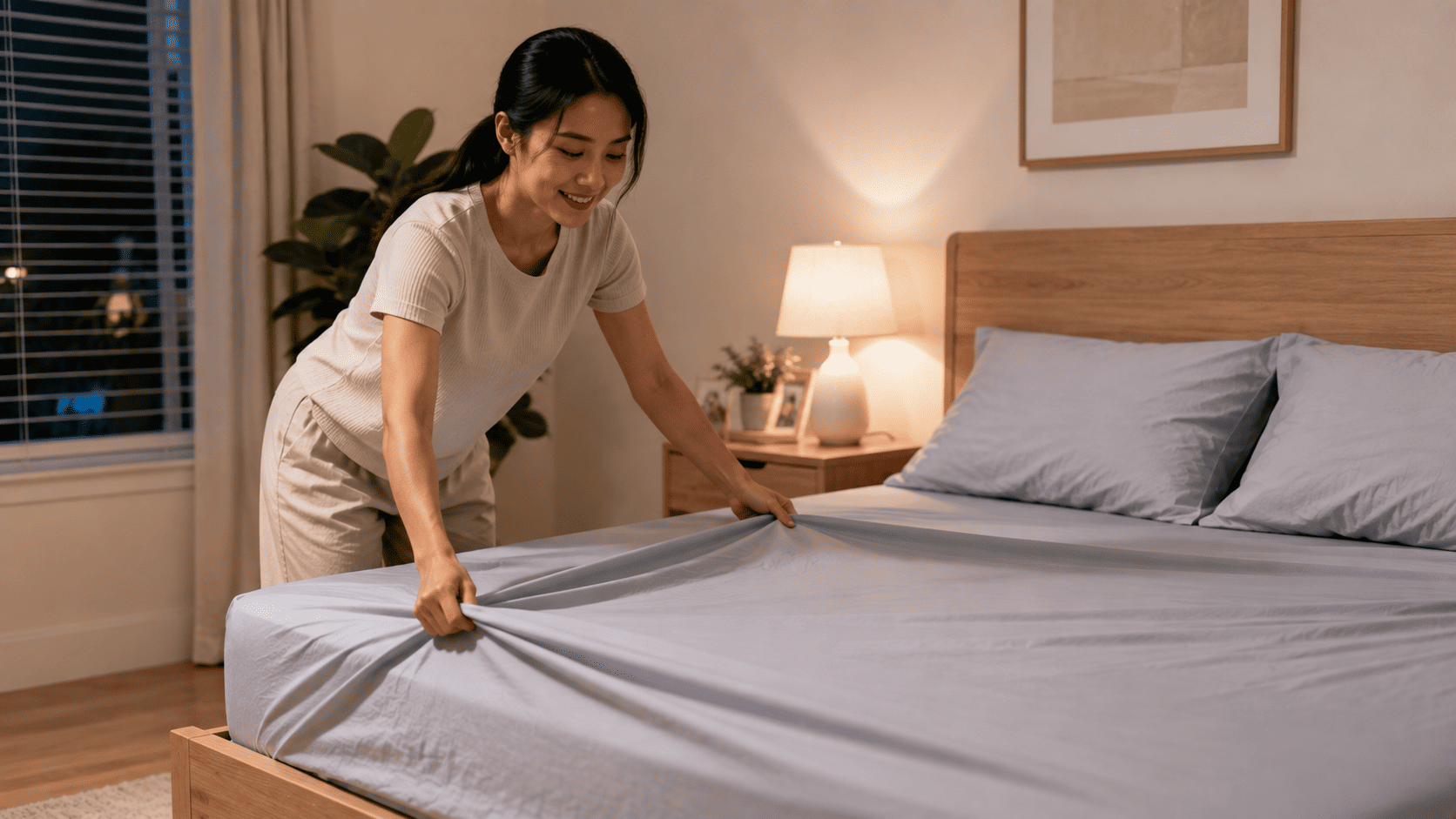
Not every bedding upgrade makes a real difference to how well you sleep. A new duvet cover might make the bedroom look better without changing anything about the sleep experience. A new set of cooling sheets chosen for the right reasons can change how you feel by morning.
The difference between a cosmetic upgrade and a functional one comes down to whether the change actually affects the thermal environment, the skin contact surface, or the alignment support your body relies on through the night. This guide covers the upgrades that move the needle and explains exactly why each one works.
Temperature And The Microclimate: Why It's The Starting Point
Every bedding upgrade either helps or hurts the thermal microclimate at the sleep surface. That microclimate, the temperature and humidity in the space between your skin and your bedding, is the single most influential variable in sleep quality for most people.
A PMC clinical trialmeasuring how optimizing the bed's thermal microclimate affects sleep found that improvements to microclimate temperature directly increased deep sleep duration and improved subjective sleep quality scores. The mechanism is straightforward: when the body can complete its natural core temperature drop without thermal resistance from bedding, it spends more time in the sleep stages that produce physical recovery and cognitive restoration.
What Creates A Poor Microclimate
Dense synthetic fabrics with high thermal resistance trap heat against the skin and prevent evaporation of sweat. This raises the microclimate temperature above the optimal range and triggers the micro-arousals that fragment sleep without producing full wakefulness.
Harvard Health clinical guidelineson sleep hygiene identify keeping the bedroom around 65°F to 68°F as a baseline requirement for quality rest. But room temperature only matters if the bedding allows heat to escape from the sleep surface. A properly cooled room with heat-trapping synthetic sheets still produces a warm microclimate at the skin level.
The First Upgrade That Works
Switching from dense synthetic or high-thread-count microfiber sheets to breathable long-staple cotton in a percale or lightweight sateen weave is the single highest-impact upgrade available for most hot sleepers. It reduces thermal resistance at the contact surface and improves moisture vapor transmission simultaneously.
Sheets: The Highest-Impact Surface Upgrade
Your sheets are in continuous contact with your skin for the entire night. No other bedding layer has more direct influence on how the sleep surface feels and how well your body manages temperature through the night.
The upgrade that produces the most measurable result isn't just switching fiber types. It's combining breathable cotton with silver treatment in a single product.
Breathability And Antimicrobial Performance Together
Cooling sheetsin breathable long-staple cotton with Swiss-engineered silver treatment reduce up to 99.7% of odor-causing bacteria and stay fresh up to 3x longer than untreated fabric.* For hot sleepers who sweat more at night, this combination addresses both the thermal problem and the hygiene problem in a single upgrade.
Standard sheets without antimicrobial treatment accumulate bacterial load quickly. That accumulation produces odor compounds that create subtle sensory disruptions through the night. A genuinely fresh sleep surface reduces those disruptions and keeps the quality of the sleep environment consistent from night one to night seven without requiring mid-week washing.
What To Check Before Buying
The fiber type and weave matter. Long-staple cotton in a 200 to 400 thread count percale or sateen. Silver treatment integrated at the fiber level rather than surface-sprayed. OEKO-TEX® certified materials tested for harmful substances. Sheets that meet all three criteria perform fundamentally differently from sheets that meet only one or two.
The Comforter Layer: Managing Heat From Above
The comforter contributes more thermal resistance to the bed microclimate than any other single layer. A heavy down comforter seals heat into the microclimate. The body spends the night trying to escape it. The upgrade here isn't necessarily spending more. It's choosing construction that reduces thermal resistance while maintaining comfort.
Zoned Fill For Balanced Warmth
A comforter with zoned fill distributes insulation based on where the body actually needs it. Lighter fill across the midsection, where the body generates the most heat, and plusher fill at the shoulders and feet, where most sleepers run cooler. This eliminates the compromise of a uniform-fill comforter that's either too warm in the center or too cold at the edges.
Maximum Cooling Performance
For hot sleepers who need the top layer to actively contribute to cooling rather than just avoid trapping heat, the Cooling Comforteruses a jersey-knit nylon and spandex shell that feels up to 4°F cooler on contact. It's silver-treated to stay fresher between washes and works as a standalone layer without a duvet cover. For the full cooling-to-the-touch effect, skip the duvet cover and let the jersey-knit shell work directly against your skin.
Layering As A Strategy
A single heavy comforter locks in a fixed thermal environment with no real-time adjustment during sleep. Two lighter layers, a flat sheet plus a lightweight blanket or cooling comforter, give the body genuine control. Pushing one layer off during a warm period provides immediate relief. Pulling it back when the room cools in the early morning maintains comfort without requiring full wakefulness to manage.
The Pillow Upgrade Most People Delay Too Long
Most people replace their mattress before they replace their pillow. A compressed pillow that's lost its loft has also accumulated enough bacterial buildup and fiber breakdown that washing no longer restores its original performance. The pillow affects both alignment and temperature at the head and neck simultaneously.
Alignment By Sleep Position
A PMC study on pillow selection and cervical alignmentfound that pillow height and material directly impact waking pain levels, spinal alignment during sleep, and overall sleep quality scores. The right loft for a side sleeper is different from the right loft for a back sleeper. A fixed-loft pillow forces a compromise. An adjustable-insert pillow lets each sleeper dial in the exact height their position requires.
Temperature At The Head And Neck
The head and neck are major heat release points during sleep. A memory foam pillow has high thermal mass. It absorbs body heat during the early hours and radiates it back toward the face and neck as the night progresses. Breathable fill with hollow crimped fibers allows air to circulate through the pillow. A cool-to-the-touch shell surface on one side and breathable cotton on the other gives hot sleepers real options based on how the night is going.
The Mattress Protector: The Upgrade That Protects Everything Else
A breathable mattress protector is the least glamorous upgrade on this list and one of the most practical. Memory foam mattresses absorb body heat and radiate it back during sleep. A 100% cotton mattress protector sits between the foam and the sheet layer as a thermal buffer that allows more heat to dissipate away from the body.
Protecting Your Investment
A silver-treated mattress protector also catches sweat, skin oils, and bacterial buildup before they reach the mattress itself. This extends the life of the mattress by preventing the organic accumulation that degrades foam structure over time. It keeps the base of the sleep stack fresher and easier to maintain.
Pulling The Upgrades Together
Each upgrade in this guide addresses a specific part of the sleep environment. Breathable sheets at the skin contact layer. A lightweight cooling top layer. An aligned, breathable pillow. A thermal buffer at the mattress base.
When all four layers address both temperature and hygiene, the beddingsystem stops creating friction against the body's natural sleep processes and starts actively supporting them. The result is more time in deep sleep, fewer nighttime disruptions, and a sleep surface that stays genuinely fresh across the full week.
Fresh towelsafter a cool pre-bed shower lower baseline skin temperature before you get into bed, giving the full system less thermal load to manage from the start.
Miracle madeproducts are built for exactly this layered approach. Every product in the sleep collection uses breathable materials, Swiss-engineered silver treatment, and OEKO-TEX® certified construction to support a sleep environment that works with your body from the bottom layer to the top.
Disclaimer: Antimicrobial finish helps protect the fabric from odor-causing bacteria. Does not protect users against bacteria or other disease organisms.
George Evans
Author
George Anderson, an exceptional architectural designer, envisions and brings to life structures that transcend the realm of imagination. With an unwavering passion for design and an innate eye for detail, George seamlessly blends form and function, creating immersive spaces that inspire awe.
Driven by a deep appreciation for the interplay of space, light, and materials, George's innovative approach redefines the possibilities of architectural design. His visionary compositions leave an indelible mark, evoking a sense of wonder and transforming the built environment.
George Anderson's transformative designs and unwavering dedication continue to shape the architectural landscape, pushing the boundaries of what is possible and inspiring generations to come.
Latest Articles
Popular Articles