5 Creative Ways To Use A Fabric Canopy Outdoors
A fabric canopy can do more than block the sun. It changes the way you use your space by making it more comfortable and inviting.
Author:George EvansOct 15, 20252.8K Shares237.8K Views

A fabric canopy can do more than block the sun. It changes the way you use your space by making it more comfortable and inviting. With the right setup, it becomes part of the design and not just a cover. Here are five creative ways to make one work outdoors.
1. Create A Comfortable Dining Spot
Meals outdoors should feel relaxed instead of being rushed by the weather. A canopy makes dining practical by giving you shade and sun protection from the elements. If you plan to use the space often, it helps to buy a heavy duty canopythat holds up well over time. That simple choice makes the area more dependable and ready whenever you are.
Small touches can bring the space together. String lights or lanterns under the canopy add warmth for evening meals. Choosing a canopy fabric that softens the light creates a pleasant glow instead of harsh brightness. These little details make eating outside more inviting.
Furniture placement also matters. Angle chairs so people face one another and, if possible, set the table toward a view. Adding an outdoor rug beneath the table gives the space a finished look. With the canopy overhead, the area feels more like a natural part of your home.
2. Set Up A Relaxation Corner
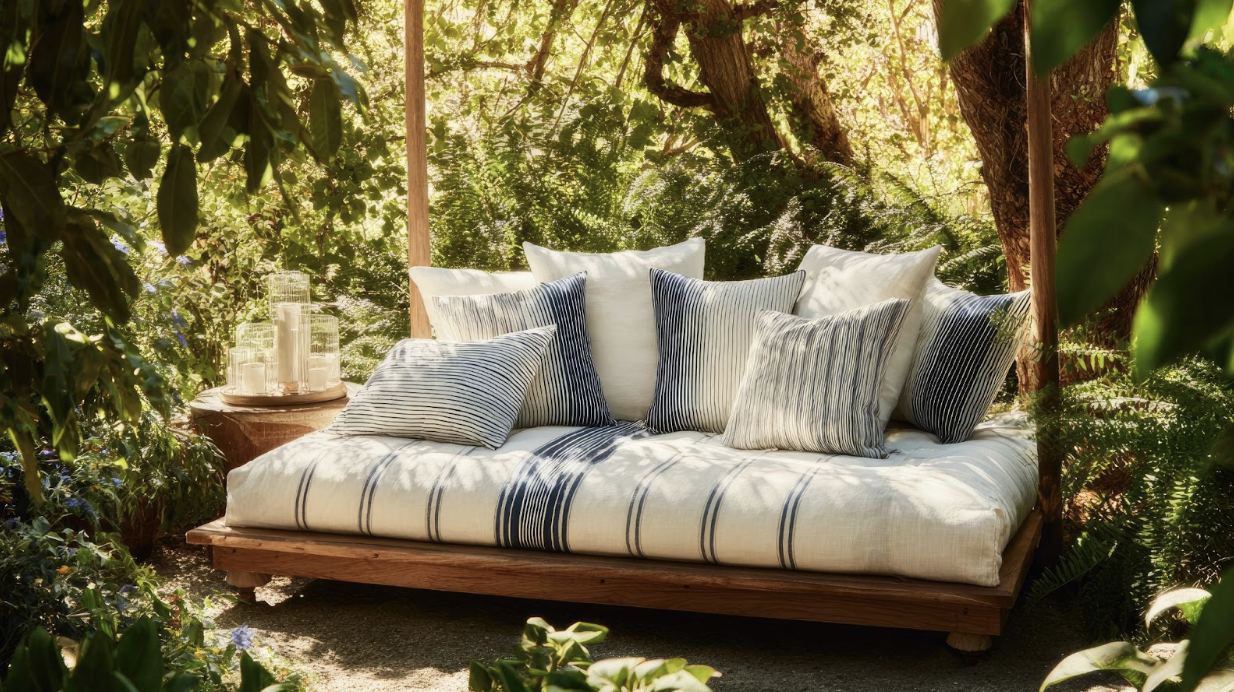
A canopy can turn an unused corner into a spot for rest. Place it over a hammock, lounge chairs, or even a daybed, and you have an outdoor escape. The shade fabric keeps the area cooler, while the fabric cover overhead adds comfort. It quickly becomes a place you’ll want to return to.
Keep the look simple or add a few details to make it personal. A soft cushion, a side table, and a lantern are enough to change the mood. Choosing materials that include UV protection or even a PU coating can help the canopy last longer. If you want a classic and calming look, consider solid fabric colors that blend easily with most styles.
Privacyis easy to add here as well. Position the canopy to block unwanted views, or place tall plants around the edges. For a touch of charm, drape light outdoor fabric or hang an outdoor curtain to soften the edges. It creates a quiet and welcoming space for slowing down.
3. Build An Outdoor Living Room
A canopy helps pull furniture together in a way that feels intentional. Sofas, chairs, and a coffee table work better as a group under cover than scattered in the open. You can also use fabric panels on the sides to create a cozy boundary. People naturally gather there and stay longer.
This idea works well for evenings with friends or family. During the day, the canopy provides relief from the sun, and at night, soft lighting adds a welcoming glow. Some homeowners choose cable tension canopies or materials like PVC-coated vinyl for added durability. If you want to bring a playful note, striped fabric colors can brighten the look without feeling overdone.
Details help make it even better. An outdoor rug grounds the seating, while plants or pillows bring in color and texture. For some, these small additions are part of a larger exterior renovation, where the canopy helps tie everything together. It creates an outdoor living area that feels both practical and inviting.
4. Make A Play Area For Kids
Children stay outside longer when the space is shaded. A canopy keeps the area cooler, making play safer and more enjoyable. Many fabrics are designed to be fade resistant as well as mold & mildew resistant, which is helpful when kids use the space often. With that cover in place, toys and equipment also last longer.
The space doesn’t need to be complicated. A sandbox, a play mat, or a small craft table fits easily under the canopy. Cleaning is simple, too, since most fabrics respond well to a bleach solution or mild soap when needed. For a more unique look, tweed fabric colors bring subtle depth without being too bold.
Choosing bright designs makes the spot more appealing. A cheerful canopy feels playful and fun, turning grass into something special. For extra function, you could hang a mosquito net for bug control or set up a bed canopy-style drape for pretend play. Parents will appreciate the added comfort and peace of mind.
5. Highlight A Garden Path Or Entry
Canopies don’t always need to cover seating areas. Positioned over a walkway or garden entrance, they add focus and style. Some even treat them like a rooftop and sidewall patio enclosure to extend coverage further. The fabric overhead frames the view and makes a simple path more inviting.
This idea works in spaces of all sizes. In larger yards, it separates areas into zones. In smaller ones, it adds height and depth without crowding the layout. Using textured fabric colors can also add richness, making the structure feel more integrated with the landscape.
Plants can enhance the look further. Climbing vinesor hanging baskets soften the lines of the canopy. Choosing designs made from recycled materials adds sustainability to the project. Over time, the feature blends into the garden and changes with the seasons.
Final Thoughts
A fabric canopy is simple, but it can change the way you live outdoors. It makes dining, relaxing, and playing easier while adding style along the way. By choosing the right placement, you can turn plain corners into spaces you’ll use every day. With a little thought, it becomes one of the most versatile parts of your yard.

George Evans
Author
George Anderson, an exceptional architectural designer, envisions and brings to life structures that transcend the realm of imagination. With an unwavering passion for design and an innate eye for detail, George seamlessly blends form and function, creating immersive spaces that inspire awe.
Driven by a deep appreciation for the interplay of space, light, and materials, George's innovative approach redefines the possibilities of architectural design. His visionary compositions leave an indelible mark, evoking a sense of wonder and transforming the built environment.
George Anderson's transformative designs and unwavering dedication continue to shape the architectural landscape, pushing the boundaries of what is possible and inspiring generations to come.
Latest Articles
Popular Articles