Designing A Sofa: Materials And Considerations
Creating a sofa is a significant process that requires knowledge of a variety of materials to produce a comfortable and durable piece of furniture, taking into consideration the space and purpose for effective design.
Author:George EvansJul 08, 2026243 Shares24.2K Views
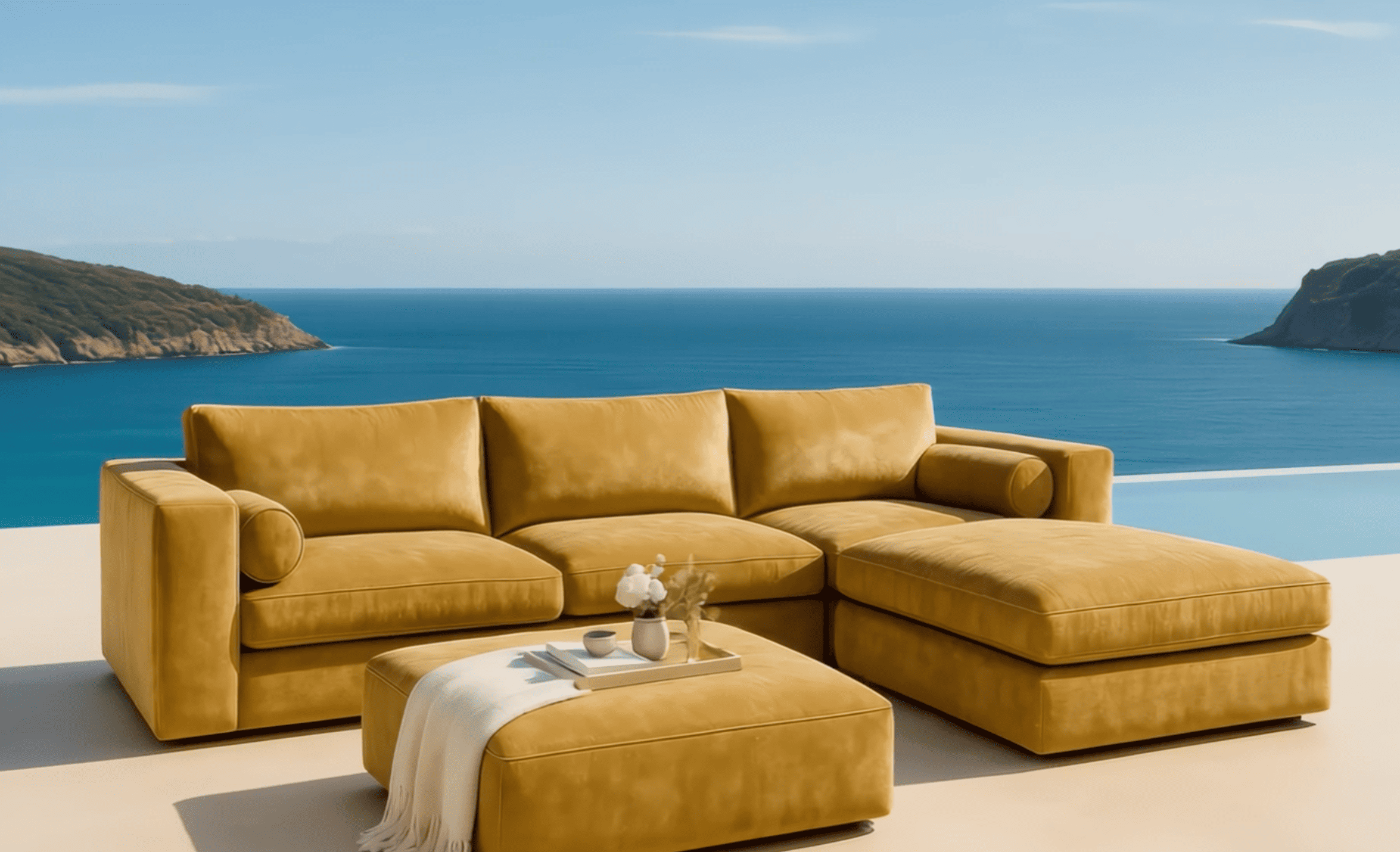
Creating a sofa is a significant process that requires knowledge of a variety of materials to produce a comfortable and durable piece of furniture, taking into consideration the space and purpose for effective design.
Custom sofas, like DreamSofa’s made-to-order custom sofas, may improve a space with specific sizing and design choices. But what goes into a custom sofa? From project design to building, specific decisions are made regarding materials and structure to build a comfortable, durable, and beautiful piece of furniture to fit an ideal space.
Designing A Sofa Frame
Designing a sofa frame involves first imagining the design, creating the style of the sofa, and understanding its purpose. The designmay then be rendered in a 3D program, and processing may begin to start building.
Building a sofa requires a variety of materials, and material considerations may affect the purpose of the sofa. Materials such as wood type and whether it was kiln-dried are important choices for a furniture designer to consider, as they create the firm structure that will support customers.
How the materials are joined, as well as corner blocking and rail thickness, may change how the sofa is reinforced for different support needs. For comfort, cushion density and the space the piece is built for are important considerations. A piece made for a commercial or hospitality space will likely have different requirements than a piece for an office, requiring more support for high usage.
Lastly, the suspension gauge is a significant piece of a sofa that may often go unseen by the typical lounger, but the suspension can affect the most important part of a sofa: comfort.
Importance Of Materials
Materials can affect the durability and comfort of a sofa, creating a lasting piece that wears well in a given space or a piece that is ineffective and out of place. One of the most important sofa materials is the suspension.
What is a suspension in a sofa? This inner part of the design helps to support the cushion and weight of those sitting and finding comfort on the sofa. These may be heavy-gauge, sinuous metal, often steel, springs that are placed below cushions.
There are a few ways a suspension system in a sofa can be arranged. In premium sofas, eight-way hand-tied suspension is a tedious and difficult process, as each piece of the suspension is tied by hand. Each spring is then allowed to move independently from the others. The effort fits the luxury value of the pieces these suspensions may be placed in.
Though an eight-way hand-tied suspension is a premium suspension, that does not guarantee it is the best suspension for every purpose. The most common form, sinuous spring suspension, can be adequate for everyday comfort and durability.
The wood the sofa is made from is also important for its structure. Kiln-dried in particular has moisture removed before use, which can help reduce squeaking and warping. In addition to the wood, the material used inside the cushions makes a difference for comfort and durability.
Overall, sofa design depends on purpose. What can be used for a hotel space does not always align with what is needed in an office space. Once the design is developed for a specific space, materials are found, and building commences. Materials are chosen to fit a specific design, with suspension varieties suiting different purposes for ideal comfort, while wood choices create the frame for a lasting piece of furniture.
FAQ
What Should Designers Ask When Specifying A Sofa Frame?
They should ask about wood type, kiln drying, joinery, corner blocking, rail thickness, suspension gauge, cushion density, warranty coverage, and what space the piece is built for.
Why Do Internal Sofa Materials Matter In Commercial Interiors?
Commercial and hospitality spaces often place seating under repeated daily use. Strong internal construction can help seating retain comfort, shape, and support while reducing premature replacement risk.
Why Is Kiln-dried Wood Used In Sofa Frames?
Kiln-dried wood has had much of its moisture removed before construction. This may help reduce the risk of warping, twisting, cracking, and squeaking as the sofa responds to indoor conditions.
Is An 8-way Hand-tied Suspension Better Than Every Other Sofa Support System?
Not automatically. A well-built suspension system depends on steel thickness, spacing, clips, tie wires, frame strength, and cushion design.

George Evans
Author
George Anderson, an exceptional architectural designer, envisions and brings to life structures that transcend the realm of imagination. With an unwavering passion for design and an innate eye for detail, George seamlessly blends form and function, creating immersive spaces that inspire awe.
Driven by a deep appreciation for the interplay of space, light, and materials, George's innovative approach redefines the possibilities of architectural design. His visionary compositions leave an indelible mark, evoking a sense of wonder and transforming the built environment.
George Anderson's transformative designs and unwavering dedication continue to shape the architectural landscape, pushing the boundaries of what is possible and inspiring generations to come.
Latest Articles
Popular Articles