Flexible Infrastructure Solutions For Modern Construction And Businesses
Certain environments require flexibility to succeed. This is true for many businesses, but especially so in construction, education, and even healthcare.
Author:George EvansApr 17, 202612.3K Shares279.6K Views
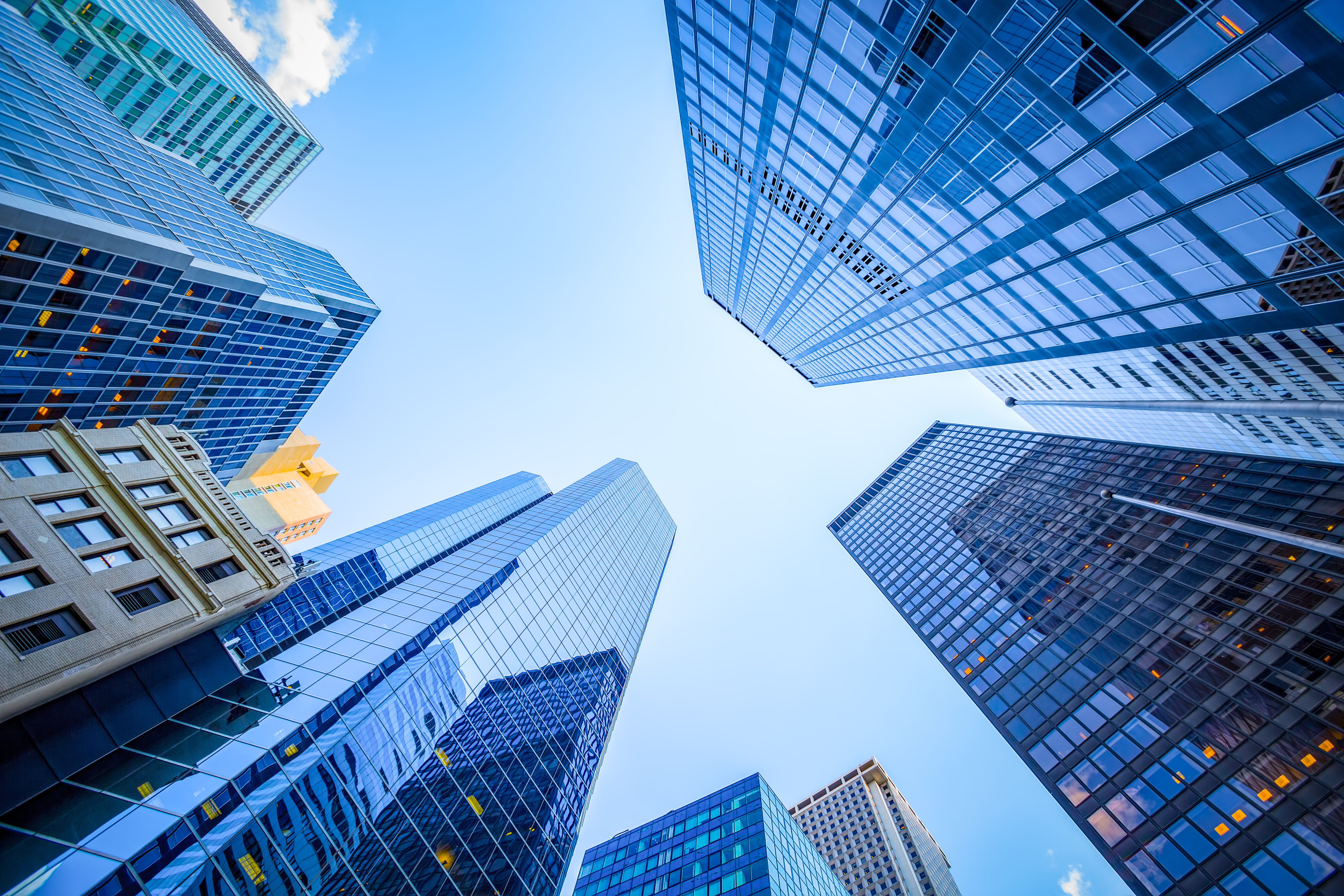
Temporary structures can help ease operational and financial burden.
Certain environments require flexibility to succeed. This is true for many businesses, but especially so in construction, education, and even healthcare. However, more often than not, these institutions cannot wait for infrastructure to be built, especially when demand outpaces typical construction timelines. This is where temporary structures can bridge the gap.
Once seen as quick fixes, temporary structures now deliver speed and scalability for businesses needing rapid expansion. By working with a temporary building supplier, organizations handle changing needs without the long-term commitments of permanent construction.
The Rising Demand For Flexible Infrastructure
Temporary structures provide practical alternatives for industries needing adaptable solutions. Construction firms needing office space, medical clinics handling patient surges, and schools adjusting to changing enrollment can expand without the expense and lengthy timelines of traditional construction.
This type of flexibility is valuable across industries, but is particularly important in fields where timing and responsiveness are critical to a business’s needs.
Cost Efficiency And Speed Of Deployment
Temporary buildings provide one of the most cost-effective advantages. They require significantly lower upfront investment and finish construction faster than permanent structures, enabling businesses to operate sooner.
For schools adding modular classrooms, construction companies installing temporary offices, or healthcare facilities needing extra clinical space, these structures accelerate deployment and directly impact productivity and profitability.
Versatility Across Industries
A temporary structure can be adapted to a wide range of uses across multiple business sectors.
- Construction projects can include on-site offices, break rooms, and storage units.
- Schools can use temporary buildings as classrooms to accommodate growing student populations.
- Healthcare providers rely on medical units during surges in patient volume or emergencies.
- Retailers create additional spaces during peak seasons.
- Event programmers set up temporary structures for venues, exhibition halls, and support facilities.
For example, a warehouse operator experiencing seasonal demand spikes can install temporary structures to manage inventory, eliminating the need for permanent expansion while still meeting operational requirements.
Sustainability And Reusability
Sustainability drives modern construction, so designers now use reusable materials and modular components for temporary buildings, extending longevity and reducing construction waste.
Temporary buildings reduce environmental impact,enabling organizations aiming to lower their environmental footprint to align infrastructure with business goals through modular, reusable options.
Customization And Compliance
Today’s temporary buildings are no longer generic; they feature modern features that their predecessors lacked. Suppliers can provide temporary buildings that feature a wide variety of business needs, which can include:
- Insulation and climate control systems
- HVAC and ventilation
- Lighting and electrical
- Interior layouts configured to specific operational workflows
Many temporary structures are built to comply with building codes and safety regulations, making it essential for builders to construct them to meet these requirements and ensure suitability for longer-term applications when required. A supplier is essential to maximizing the benefits of the infrastructure. For this reason, businesses should evaluate key factors that include:
- The provider’s experience and reputation
- The customization capabilities they can provide
- The compliance standards for safety and regulation
- Delivery timelines that optimize speed and efficiency
- Ongoing support, which includes maintenance services and technical assistance
While a strong partner can ensure your needs are met, they should also offer long-term support so a business can meet its operational goals. As demand continues to shift across industries, temporary structures are becoming less of a stopgap and more of a strategic tool for managing growth, uncertainty, and operational efficiency.
Their ability to combine speed, cost control, and adaptability allows businesses to respond to real-time needs without overcommitting to permanent infrastructure. For organizations facing fluctuating demand or tight timelines, these solutions offer a practical way to stay responsive while maintaining continuity.
Over time, the role of temporary buildings may continue to expand, not as replacements for permanent construction, but as complementary assets that support more flexible, resilient business operations.
FAQs
1. What industries benefit most from temporary buildings?
The construction, education, healthcare, retail, and event management industries commonly use temporary structures because they require flexible, scalable space solutions.
2. Are temporary buildings durable enough for long-term use?
Yes, many modern temporary structures are built with high-quality materials and may last for several years when properly maintained.
3. How quickly can a temporary building be installed?
Installation timelines vary, but many structures can be set up within days or weeks, depending on size and customization requirements.
4. Can temporary buildings be customized?
Most suppliers offer customization options, including layout design, climate control, and interior features to suit specific business needs.
5. Are temporary structures environmentally friendly?
They may be more sustainable than traditional construction, since they can often be reused and relocated, and produce less material waste.

George Evans
Author
George Anderson, an exceptional architectural designer, envisions and brings to life structures that transcend the realm of imagination. With an unwavering passion for design and an innate eye for detail, George seamlessly blends form and function, creating immersive spaces that inspire awe.
Driven by a deep appreciation for the interplay of space, light, and materials, George's innovative approach redefines the possibilities of architectural design. His visionary compositions leave an indelible mark, evoking a sense of wonder and transforming the built environment.
George Anderson's transformative designs and unwavering dedication continue to shape the architectural landscape, pushing the boundaries of what is possible and inspiring generations to come.
Latest Articles
Popular Articles