How Businesses Can Minimize Downtime During A Commercial Relocation
Commercial relocation is a significant undertaking for any organization. Whether a company is moving to accommodate growth, improve operational efficiency, reduce costs, or gain access to a better location, the transition can present challenges that affect productivity and business continuity.
Author:George EvansJun 09, 2026
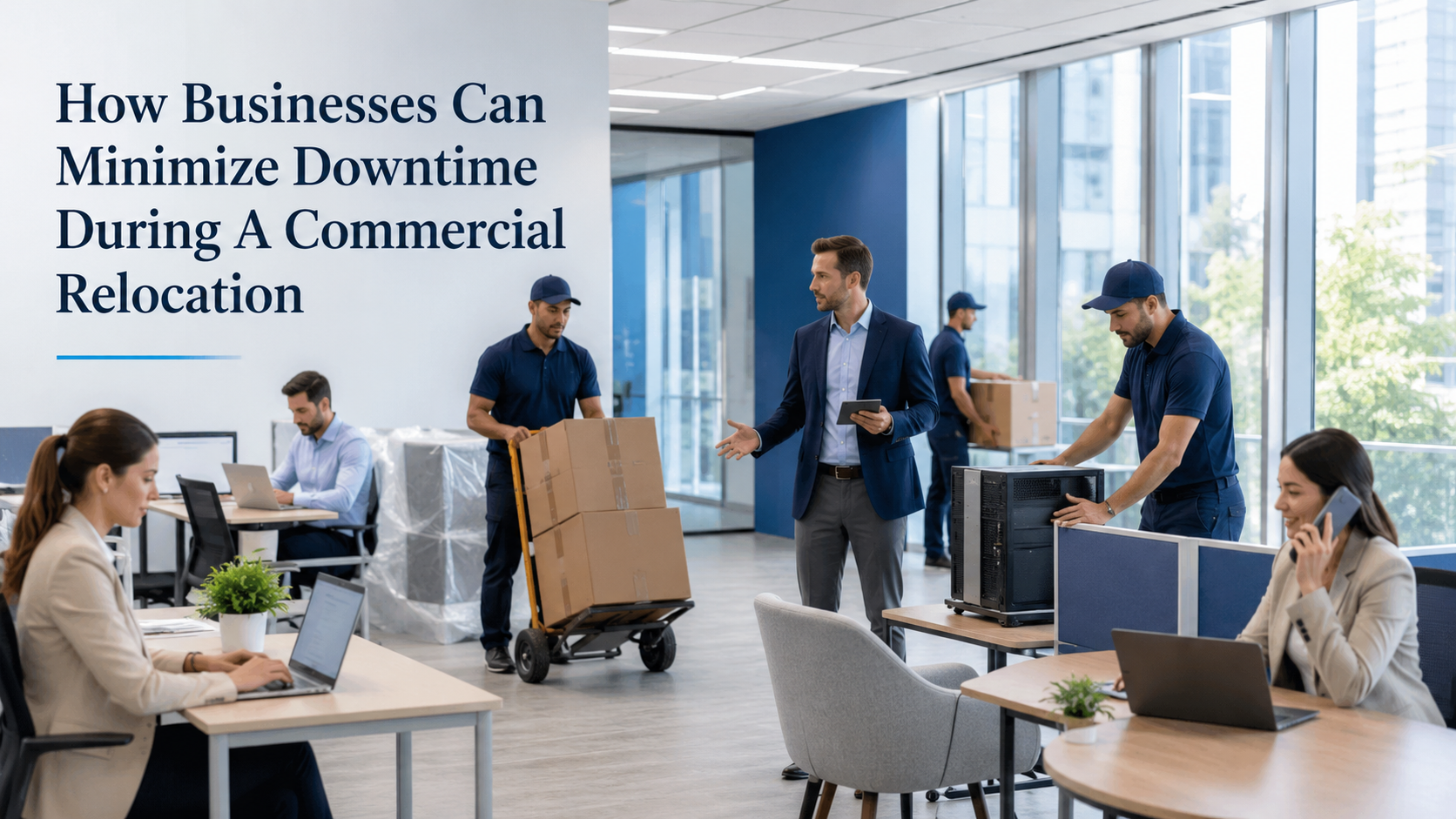
Commercial relocation is a significant undertaking for any organization. Whether a company is moving to accommodate growth, improve operational efficiency, reduce costs, or gain access to a better location, the transition can present challenges that affect productivity and business continuity. One of the primary concerns during an office move is minimizing downtime. Every hour of disruption can impact employee performance, customer service, and revenue generation.
Successfully managing a commercial relocation requires strategic planning, coordination, and proactive communication. By understanding the key factors that contribute to downtime and implementing best practices before, during, and after the move, businesses can maintain operations while transitioning to a new workspace.
Understanding The Cost Of Downtime
Downtime occurs when normal business activities are interrupted due to operational disruptions. During a commercial move, downtime can result from:
- Delayed access to equipment and technology
- Network or communication outages
- Employee confusion or lack of preparation
- Incomplete setup of the new office
- Transportation delays
- Inefficient move coordination
Even short interruptions can have a measurable impact on productivity. For organizations that depend on continuous customer support, sales activities, or digital services, downtime can affect client relationships and overall business performance.
Recognizing the potential costs associated with downtime is the first step toward developing a relocation strategy that prioritizes business continuity.
Begin Planning Early
One of the most effective ways to reduce downtime is to start planning well in advance of the move date. Commercial relocations involve numerous moving parts, including facility management, technology infrastructure, employee coordination, vendor scheduling, and logistical arrangements.
Businesses should ideally begin planning several months before the move. Early preparation allows sufficient time to:
- Establish a relocation timeline
- Assign responsibilities
- Identify potential risks
- Develop contingency plans
- Coordinate with service providers
- Communicate expectations to employees
The more detailed the planning process, the fewer unexpected issues are likely to arise during the transition.
Create A Dedicated Relocation Team
Commercial moves often require collaboration across multiple departments. Creating a relocation team helps ensure accountability and efficient decision-making throughout the project.
A relocation team may include representatives from:
- Operations
- Information technology
- Human resources
- Facilities management
- Finance
- Executive leadership
Each team member can oversee specific aspects of the move while ensuring communication remains consistent across the organization.
Regular planning meetings help track progress, identify challenges, and keep the relocation project on schedule.
Conduct A Comprehensive Office Assessment
Before relocating, businesses should evaluate their current office environment and inventory all assets that will be moved.
This assessment may include:
- Furniture
- Computers and servers
- Office equipment
- Documents and records
- Storage systems
- Telecommunications equipment
A detailed inventory provides clarity regarding transportation requirements and helps identify items that may need replacement, disposal, or special handling.
The assessment also offers an opportunity to streamline operations by eliminating unnecessary equipment and reducing clutter before the move.
Develop A Technology Migration Strategy
Technology systems are often the backbone of modern business operations. A poorly managed technology transition can result in extended downtime and operational disruptions.
Organizations should work closely with their IT teams to develop a migration strategy that addresses:
Network Infrastructure
Internet connectivity should be installed and tested at the new location before employees arrive. Businesses should verify that bandwidth requirements can support operational needs from day one.
Data Protection
Important files and systems should be backed up before any relocation activity begins. Backup copies provide protection against data loss during transportation or equipment installation.
Equipment Testing
All computers, servers, printers, and communication systems should be tested after installation to ensure functionality.
Remote Work Contingencies
Maintaining remote work capabilities during the relocation period can help employees remain productive if temporary disruptions occur.
A well-executed technology plan significantly reduces the likelihood of business interruptions.
Communicate Clearly With Employees
Employees play a critical role in the success of a commercial relocation. Uncertainty about timelines, expectations, and workplace changes can create confusion and reduce productivity.
Businesses should communicate regularly throughout the relocation process by providing updates on:
- Moving schedules
- Workspace assignments
- Packing instructions
- Technology setup timelines
- Transportation arrangements
- New office policies
Providing employees with clear information helps reduce stress and enables a smoother transition.
Organizations may also consider creating relocation guides or FAQ documents to address common questions and concerns.
Schedule The Move Strategically
The timing of a commercial relocation can significantly influence the level of downtime experienced.
Whenever possible, businesses should schedule moves during periods of lower operational activity. Common options include:
- Weekends
- Public holidays
- Seasonal slow periods
- After-business hours
Strategic scheduling allows organizations to complete much of the relocation process while minimizing disruptions to customers and employees.
Companies that operate continuously may consider phased relocations, moving departments in stages rather than relocating the entire organization simultaneously.
Coordinate Vendors And Service Providers
Commercial relocations often involve multiple external vendors, including internet providers, utility companies, furniture installers, security contractors, and building management teams.
Coordination among these parties is essential to avoid delays.
Businesses should confirm:
- Installation schedules
- Access permissions
- Equipment delivery timelines
- Utility activation dates
- Security system implementation
Regular communication with vendors helps ensure that critical services are operational before employees begin working from the new location.
Work With Experienced Commercial Relocation Specialists
Professional moving support can significantly reduce the complexity associated with office relocations.
Commercial moves frequently involve specialized equipment, confidential documents, technology systems, and strict scheduling requirements. Professional relocation providers often bring expertise in logistics planning, asset protection, and move coordination.
Many businesses planning an office transition rely on experienced commercial movers NYClike Oz Moving & Storage to help minimize operational downtime, coordinate logistics, and manage complex commercial relocations throughout New York City.
By leveraging professional expertise, organizations can improve efficiency and reduce the risk of costly delays during the moving process.
Prepare The New Workspace In Advance
Downtime can often be reduced by ensuring the new facility is fully prepared before relocation begins.
Businesses should verify that:
- Utilities are active
- Internet connectivity is functioning
- Furniture is installed
- Meeting rooms are operational
- Security systems are configured
- Employee workstations are ready
A move-ready office enables employees to resume work quickly after arriving at the new location.
Conducting walkthroughs before move day helps identify and resolve any outstanding issues.
Implement A Business Continuity Plan
Even with thorough preparation, unexpected challenges can arise during a commercial relocation.
A business continuity plan outlines procedures for maintaining essential operations if disruptions occur. Key elements may include:
- Emergency communication protocols
- Alternative work arrangements
- Backup technology systems
- Vendor contingency plans
- Customer notification procedures
Organizations that prepare for potential disruptions are generally better equipped to maintain service levels throughout the transition.
Monitor Operations After The Move
The relocation process does not end once employees arrive at the new office.
Businesses should continue monitoring operations during the first several weeks after the move. Common post-move priorities include:
- Addressing technical issues
- Verifying equipment functionality
- Gathering employee feedback
- Resolving workspace concerns
- Updating business records and contact information
Post-move evaluations can help identify areas for improvement while ensuring that operations stabilize as quickly as possible.
Common Mistakes That Increase Downtime
Businesses can further reduce disruptions by avoiding common relocation mistakes, including:
Insufficient Planning
Waiting until the last minute often leads to rushed decisions and logistical complications.
Poor Communication
Failure to keep employees informed can result in confusion and reduced productivity.
Delayed Technology Setup
Technology infrastructure should be operational before employees arrive at the new location.
Lack Of Contingency Planning
Unexpected challenges can occur during any relocation project. Backup plans help minimize their impact.
Inadequate Vendor Coordination
Miscommunication among vendors can create delays that affect multiple aspects of the move.
Recognizing these risks early helps businesses develop more effective relocation strategies.
Conclusion
Commercial relocations present both opportunities and challenges for organizations. While moving to a new office can support growth, improve efficiency, and enhance workplace experiences, the transition must be carefully managed to avoid costly downtime.
By planning early, establishing clear communication channels, coordinating technology migrations, preparing the new workspace, and implementing comprehensive business continuity strategies, businesses can significantly reduce disruptions during the relocation process.
With the right preparation and support, organizations can maintain productivity, protect customer relationships, and ensure a smooth transition to their new location while positioning themselves for future success.
Jump to
Understanding The Cost Of Downtime
Begin Planning Early
Create A Dedicated Relocation Team
Conduct A Comprehensive Office Assessment
Develop A Technology Migration Strategy
Communicate Clearly With Employees
Schedule The Move Strategically
Coordinate Vendors And Service Providers
Work With Experienced Commercial Relocation Specialists
Prepare The New Workspace In Advance
Implement A Business Continuity Plan
Monitor Operations After The Move
Common Mistakes That Increase Downtime
Conclusion

George Evans
Author
George Anderson, an exceptional architectural designer, envisions and brings to life structures that transcend the realm of imagination. With an unwavering passion for design and an innate eye for detail, George seamlessly blends form and function, creating immersive spaces that inspire awe.
Driven by a deep appreciation for the interplay of space, light, and materials, George's innovative approach redefines the possibilities of architectural design. His visionary compositions leave an indelible mark, evoking a sense of wonder and transforming the built environment.
George Anderson's transformative designs and unwavering dedication continue to shape the architectural landscape, pushing the boundaries of what is possible and inspiring generations to come.
Latest Articles
Popular Articles