Designing Grandeur: How Luxury Casinos Are Shaping The Future Of Experiential Spaces
Luxury casinos are no longer just gaming halls; they have become cultural landmarks, masterworks of sensory architecture and interior design.
Author:George EvansJul 07, 202511.7K Shares230.1K Views
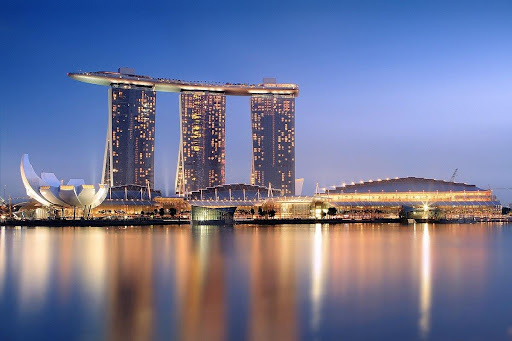
Luxury casinos are no longer just gaming halls; they have become cultural landmarks, masterworks of sensory architecture and interior design. Across the world, elite resorts like Marina Bay Sands and The Venetian are transforming the visitor experience into a multisensory journey, establishing new benchmarks in public and entertainment architecture. Each corner, corridor, and atrium within these destinations is meticulously designed not just for opulence, but to trigger emotional, visual, and physical immersion. This article examines the extraordinary design elements that define these high-end casinos—from ambient lighting and acoustic engineering to elaborate thematic zones—and how these choices shape the broader landscape of experiential spaces.
Marina Bay Sands – Crystalline Architecture and Urban Drama
Marina Bay Sands in Singapore is one of the most iconic casino structures in the world, instantly recognizable by its three cascading towers topped by the gravity-defying SkyPark. Designed by Moshe Safdie, its crystalline curves do not just elevate the skyline—they anchor the entire architectural identity of modern Singapore. The integration of glass and steel in its atriums and lobbies creates continuous light flow, which blends the interior spaces with views of Marina Bay. Each curve serves a visual and functional role, channeling visitor movement and light play to heighten spatial drama. With 2,561 luxury rooms, a 120,000-square-foot casino floor, and a 150-meter infinity pool, Marina Bay Sands redefines what a public luxury space can achieve.
The Venetian – Echoes of Renaissance Venice
Located on the Las Vegas Strip, The Venetian replicates classic Venetian architecture with staggering authenticity. Every square foot of its 120,000-square-foot casino space is built to simulate a romantic stroll through Venice, Italy. This includes hand-painted fresco ceilings, gold-accented columns, and exact-scale replicas of the Rialto Bridge and St. Mark’s Campanile. Thematic zoning plays a vital role—separating retail boulevards from gaming areas and luxury suites—allowing for an uninterrupted immersive experience. The interior canal system, where guests can board gondolas steered by singing gondoliers, is both a feat of design and emotional storytelling. The opulence is deliberate: a multisensory declaration that grandeur is both timeless and profitable.
Bellagio – The Synchronized Dance of Space and Sound
The Bellagio’s interior spaces are masterclasses in spatial harmony and acoustic design. Famous for its 8-acre lake and choreographed water fountain shows, the Bellagio's sensory-rich strategy extends indoors. Designers employed acoustic panels and noise-level algorithms to balance the din of gaming activity with the soothing presence of classical background music. The space is tuned to sustain a sense of calm excitement. Whether it is the subtle chimes heard across poker tables or the orchestral rise when stepping into the main lobby, sound is curated to emotionally steer visitor experience without overt manipulation.
Wynn Palace – Floral Drama and Kinetic Beauty
Wynn Palace in Macau transforms luxury gaming into theatrical storytelling. The resort incorporates large-scale kinetic sculptures, including the famed “SkyCab” cable cars that glide guests across the 8-acre performance lake. Inside, the space blooms with floral sculptures by Preston Bailey, whose installations include an 800,000-crystal Ferris wheel and rotating flower displays. The 420,000-square-foot casino does not rely solely on gaming to attract—it delivers grandiose moments through curated art and motion. This blending of artistic narrative and interior design illustrates how casinos are no longer singular destinations but living galleries.
Caesars Palace – Roman Monumentality and Monumental Scale
Caesars Palace in Las Vegas immerses guests in a Roman imperial fantasy. With Corinthian columns, statues of Augustus, and triumphal arches, the architecture amplifies power and permanence. Lighting plays a psychological role throughout its 124,181-square-foot gaming space: warm, indirect lights mimic candle-lit corridors, while brighter focal points highlight VIP areas and gaming tables. The Forum Shops section extends the Roman theme into retail, drawing more than 20 million visitors annually. It is a prime example of how thematic design combined with strategic lighting increases dwell time and economic yield.
This strategy of immersive design is not confined to physical spaces as with the advancements of technology many of the best casino apps now reflectsimilar principles, integrating ambient animation, dynamic lighting effects, and responsive soundscapes into their digital platforms. These mobile environments are no longer simple interfaces; they are visual ecosystems echoing the emotional and aesthetic sophistication of their real-world counterparts.
City of Dreams – Macau’s Urban Fantasy
City of Dreams, a mammoth integrated resort in Cotai, Macau, comprises 420,000 square feet of gaming space, a 270-degree water-based stage theater, and three luxury hotel towers. The spatial design interlaces digital walls with ambient lighting, transforming the casino into a dreamlike labyrinth. LED panels line walls and ceilings, displaying seasonal animations that change with each visit. The inclusion of digital art is not merely aesthetic but interactive: gesture-controlled panels and personalized guest welcome visuals add a layer of individual connection. This high-end spatial narrative merge physical and digital design into a unified experience.
Crown Sydney – Harbor Minimalism
Crown Sydney—situated at Barangaroo Point—takes a different approach by embracing minimalist luxury. Designed by WilkinsonEyre, its slender tower spirals upward like a ribbon of glass, reflecting Sydney’s harbor at every angle. The interiors are stripped of ornate embellishments, instead favoring textures like honed marble, velvet, and brushed bronze. Its 71-floor mixed-use structure allocates only 20% to gaming, letting fine dining and spa services define the sensory journey. The spatial silence created by this design choice gives each guest a psychological room to explore, contrast, and return.
Resorts World Las Vegas – Next-Level Zoning and AI Integration
With a staggering $4.3 billion budget, Resorts World Las Vegas combines tradition with tech. Its 117,000-square-foot casino is partitioned into themed zones—Asian elegance, modern Vegas, and private VIP lofts. AI-integrated systems manage lighting, temperature, and even music in real time based on foot traffic and guest behavior. The digital concierge kiosks offer predictive guidance, creating micro-itineraries based on user preferences. Thematic zoning here is not fixed—it evolves. Through real-time data integration, the design becomes elastic, constantly reshaping visitor pathways and attention.
Atlantis Paradise Island – Natural Immersion and Biophilic Design
Atlantis Paradise Island in the Bahamas breaks barriers by merging its casino with oceanic immersion. The space adopts biophilic principles: 50-foot marine aquariums, indoor waterfalls, and natural daylight-filtering domes surround a 60,000-square-foot gaming floor. Gaming tables are arranged to face ocean-facing glass panels, allowing guests to play with natural light. The casino architecture erases the border between inside and outside; a move rarely achieved at this scale. This design fosters psychological comfort and prolongs user engagement, underlining the power of environmental design in behavioral economics.
Studio City Macau – Hollywood Fantasy on Hyperdrive
Studio City Macau, developed by Melco Resorts, presents cinematic immersion at its most literal. Its Art Deco-inspired twin towersflank a golden Ferris wheel, “Golden Reel,” suspended between them. Inside, 106,000 square feet of casino space merge with visual storytelling zones themed around Hollywood blockbusters. Digital mapping and holographic technology produce interactive hallways where characters emerge, soundscapes shift by location, and lighting transitions cue emotional engagement. It is not just a place to gamble; it is a movie you live in.
Redefining the Experience of Public Space
Luxury casinos are no longer fixed venues—they are evolving into emotionally responsive environmentsthat influence not just where people go, but how they feel once inside. From Marina Bay Sands’ architectural spectacle to The Venetian’s narrative immersion and Resorts World’s adaptive technology, these spaces demonstrate how deeply design can shape behavior and expectation. As digital platforms begin mimicking these sensory templates, even the best casino apps are now part of this revolution—bringing the same grandeur from lavish halls to the palm of a user’s hand. This is not just about aesthetics. It is about engineering environments that resonate deeply, linger longer, and perform better economically.
Jump to
Marina Bay Sands – Crystalline Architecture and Urban Drama
The Venetian – Echoes of Renaissance Venice
Bellagio – The Synchronized Dance of Space and Sound
Wynn Palace – Floral Drama and Kinetic Beauty
Caesars Palace – Roman Monumentality and Monumental Scale
City of Dreams – Macau’s Urban Fantasy
Crown Sydney – Harbor Minimalism
Resorts World Las Vegas – Next-Level Zoning and AI Integration
Atlantis Paradise Island – Natural Immersion and Biophilic Design
Studio City Macau – Hollywood Fantasy on Hyperdrive
Redefining the Experience of Public Space

George Evans
Author
George Anderson, an exceptional architectural designer, envisions and brings to life structures that transcend the realm of imagination. With an unwavering passion for design and an innate eye for detail, George seamlessly blends form and function, creating immersive spaces that inspire awe.
Driven by a deep appreciation for the interplay of space, light, and materials, George's innovative approach redefines the possibilities of architectural design. His visionary compositions leave an indelible mark, evoking a sense of wonder and transforming the built environment.
George Anderson's transformative designs and unwavering dedication continue to shape the architectural landscape, pushing the boundaries of what is possible and inspiring generations to come.
Latest Articles
Popular Articles