How To Calculate Building Age - Formulas, Documents, And Professional Methods
Document type, methods and formula teaches you how to calculate building age accurately, even if you are a homeowner, buyer, student, or property professional.
Author:George EvansApr 20, 202618.2K Shares319.9K Views
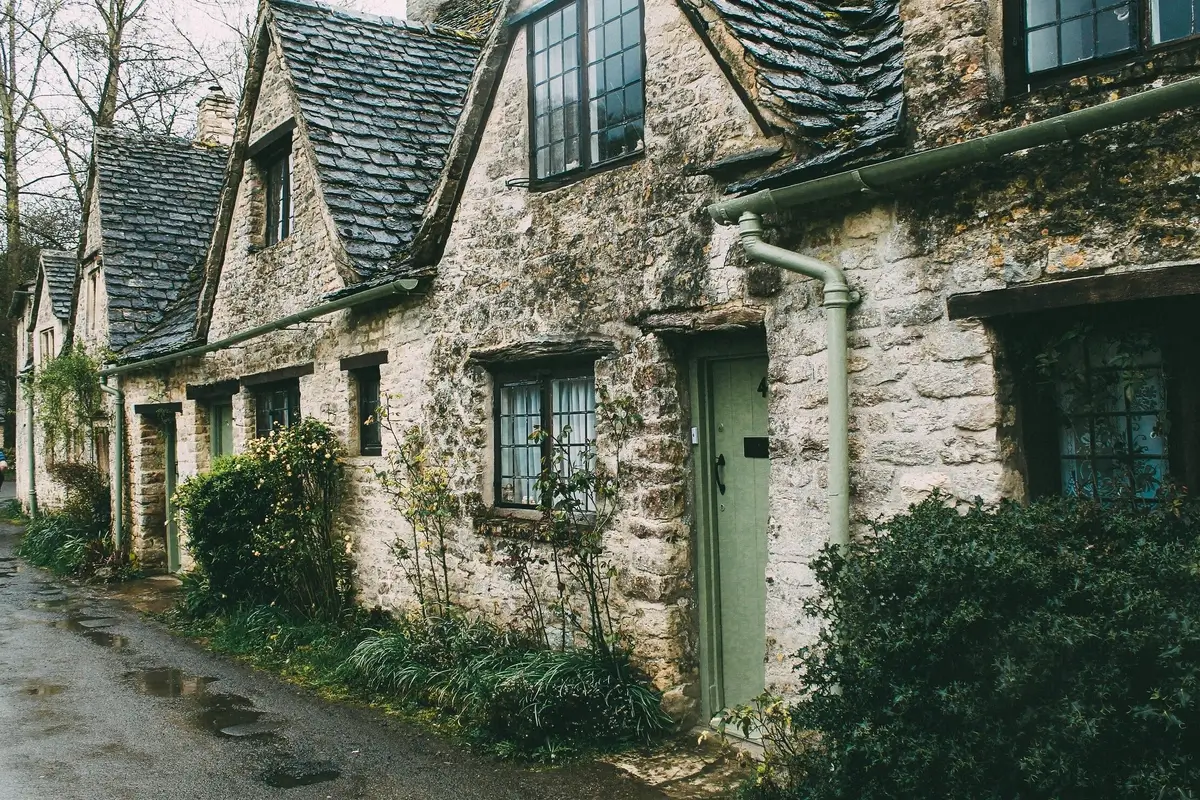
Chronological Age, Effective Age, And Depreciation Explained
I recently watched a property buyer walk into a 1960s apartment block, admire the high ceilings, and ask the agent how old the building is. The agent quotes a year. The buyer writes it down, assumes the job is done, and proceeds.
Months later, during an insurance assessment, an appraiser flags that the building's effective age is 20 years older than its chronological age due to years of deferred maintenance. The buyer had the right number but the wrong understanding of what it meant.
Knowing how to calculate building age is not just about subtracting one year from another. It involves understanding which age category applies to your situation, which documents confirm the original construction date, and how calculations such as depreciation and remaining economic life translate that age into practical decisions about value, insurance, and investment.
Key Takeaways
- The basic formula is: Building Age equals Current Year minus Year of Construction.
- Chronological age measures actual years since construction; effective age measures apparent condition-based age.
- Key documents include building permits, title deeds, certificates of occupancy, and cadastral records.
- Building depreciation is calculated as: Building Age divided by Total Economic Life, multiplied by 100
- Renovation reduces effective age but does not change chronological age
- When official records are unavailable, physical inspection and archival research provide reliable alternatives
- Land has no age in property valuation terms; only the structure is assessed for age-based depreciation
Why Building Age Matters More Than Most People Realize
Building age sits at the center of several major property decisions, yet it is one of the most consistently misunderstood metrics in real estate. Most people treat it as a simple historical fact when it is actually a dynamic figure with real financial consequences.
Building Age In Property Valuation
When I work with valuation professionals, I see them use building age as the main way to calculate depreciation. This matters because it directly changes the total value of the structure in their eyes. I know that a 30-year-old building that I have kept in great shape is worth much more than a building of the same age that has been ignored for decades.
I always tell my clients that age alone does not set the price; instead, the condition of that age is what counts. In my experience, an appraiser looks at how well the house has stood up to the weather and use over time. I find that a well-maintained older home can sometimes be worth more than a newer one that was built with cheap materials.
I use concepts like effective age and remaining economic life to get the numbers right. I rely on these figures because lenders, insurers, and investors use them to decide if a deal is safe or risky. I have seen that getting the building age wrong at this early stage creates a long line of bad numbers for everyone involved.
Building Age For Insurance And Legal Purposes
I have noticed that insurance companies use building age to figure out how much risk they are taking on. When I deal with older buildings that still have their original wires, old pipes, or weak structural parts, I expect the insurance costs to be higher. I know that in some places, if a building is past a certain age, the company might even ask me for a full structural survey.
Older buildings often carry higher risks for fires or leaks, which I see reflected in the monthly premiums. I find that underwriters are very careful with buildings constructed before modern safety codes were in place. I always make sure to have proof of any updates I have made to help keep these insurance costs as low as possible.
From a legal side, I find that building age is very important for things like planning permission and heritage status. I have to know exactly when a building was put up to see if it follows modern safety codes or if it can be exempt from certain rules. I often use documented proof of age to help my clients keep their properties legal under older regulations.
The Basic Building Age Formula

The foundational calculation for building age is straightforward and applies in virtually every context as the starting point for more detailed analysis. I believe that everyone should know this basic math before they look at more complex property data.
The Simple Calculation Explained
The basic formula is:
Building Age = Current Year - Year of Construction
If a building was constructed in 1985 and the current year is 2026, the building's age is 41 years. This figure is the chronological age, and it serves as the input for an age calculator, depreciation calculations, appraisal assessments, and insurance evaluations.
The year of construction used in this formula should be the year the building was completed and ready for occupation, not the year planning permission was granted or construction began.
The certificate of occupancy or completion certificate, where available, is the most reliable source for this date because it marks the point at which the building was formally approved for use.
Land Age Vs Building Age: An Important Distinction
A common source of confusion is the difference between property age and building age. The land on which a building sits has no depreciable age in valuation terms. Land does not deteriorate, does not have a construction date, and is assessed entirely separately from the structure.
When calculating building age for depreciation or insurance purposes, only the structure itself is considered. If a new building was constructed on a plot in 2005, but the land has been owned since 1960, the building age is 21 years, not 66.
This distinction becomes particularly important when dealing with properties that have had structures demolished and rebuilt, or where significant extensions have been added to the original foundations of a different age.
Chronological Age Vs Effective Age: Understanding The Difference
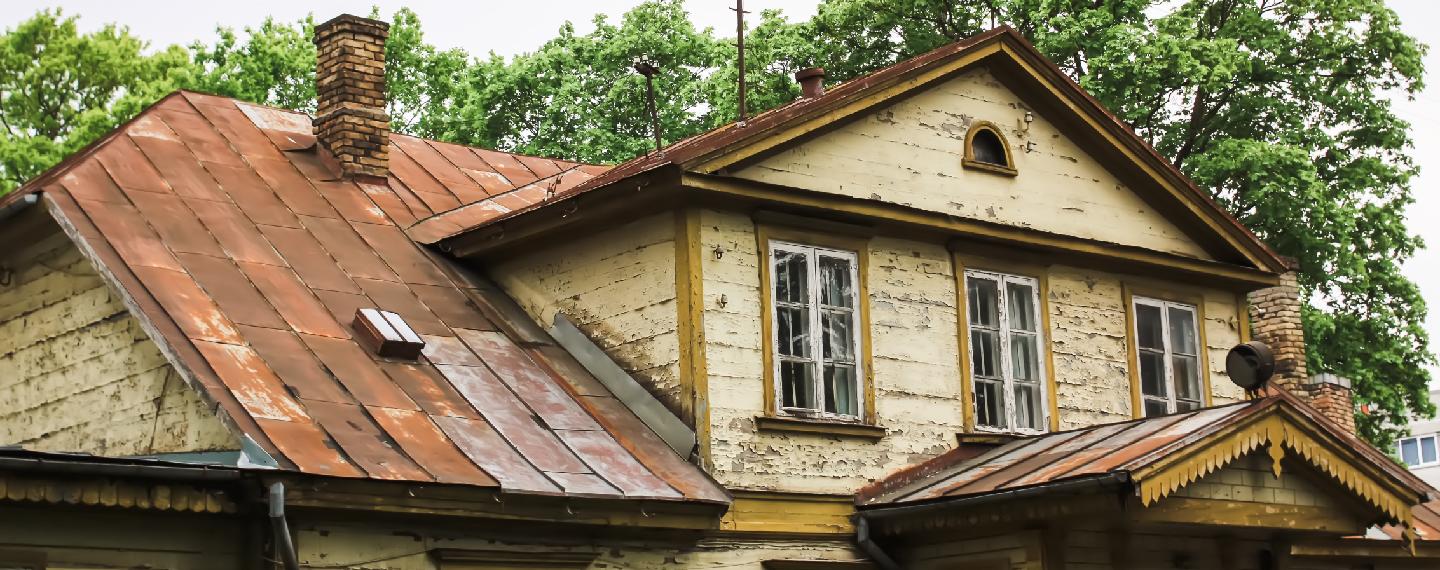
One of the most important distinctions in professional building assessment is the difference between how old a building actually is and how old it appears to be based on its current condition. These two figures often diverge significantly.
What Chronological Age Tells You
I define chronological age as the simple count of years that have passed since a building was first constructed. To me, this is a factual and objective number that I get by looking at the current year and the year the work was finished. I use this number when I need a hard historical fact, such as for legal records or historical lists.
I find it useful for basic math, but I also know that it has its limits when assessing a property's health. While it tells me exactly how old the materials are, it does not tell me how well those materials have been treated over time. I use it to confirm that a building was built before a certain safety law was made, which can be very helpful.
I have seen buildings that are technically old but feel brand new because of the care they received from their owners. I have also seen "younger" buildings that are falling apart because they were ignored for a long time. Because of this, I treat chronological age as just one piece of a much larger puzzle that I am trying to solve.
What Effective Age Tells You
Effective age is the age a building appears to be based on its observable condition, maintenance history, and any upgrades or renovations completed. It is a professional judgement applied by appraisers and surveyors to evaluate overall building performance, not a number pulled from a document.
Consider a scenario where two buildings were both constructed in 1990, giving them an identical chronological age of 36 years. Building A has been consistently maintained, with roof replacement, updated electrical systems, and a full interior renovation completed in 2018.
Building B has received no significant maintenance since construction. An appraiser would assign Building A an effective age of perhaps 15 to 20 years while assigning Building B an effective age of 40 or more years. The financial implications of this difference are substantial.
How Renovation Changes Effective Age
Renovation and refurbishment directly reduce a building's effective age without altering its chronological age. A comprehensive renovation that replaces major building systems, structural elements, and finishes can reduce effective age by 10 to 25 years, depending on the scope of work completed.
Because of this, I always ask for a full history of any work done on the property before I make an assessment. I want to know exactly what was fixed and when it happened so I can adjust my numbers correctly. I have found that a building that is technically old but has been updated will almost always be worth more.
I remind everyone I work with that keeping good records of their renovations is like money in the bank. When I can prove to an appraiser that the building has been updated, I am helping to protect the owner's investment. I see it as a way to "turn back the clock" on the building's lifespan and its value.
How To Find The Year Of Construction
Before any calculation can proceed, you need the construction year. The reliability of your building age calculation depends entirely on the quality of the source you use for this figure.
Official Documents That Confirm Building Age
Several document types reliably confirm a building's construction date:
- Building permit:Issued by the local authority before construction begins; records the approved construction date and project details
- Certificate of occupancy (or completion certificate):Issued when construction is finished, and the building is approved for use; this is the most precise document for confirming the construction completion year.
- Title deed or property deed:Often records the year of construction, particularly for residential properties; varies in detail by jurisdiction
- Cadastral records:Government land and property registry records that document construction dates, ownership history, and structural changes
- Municipal planning archives:Local government records that include historical planning applications, approvals, and construction data
- Utility connection records:Water, gas, and electricity connection dates often confirm when a building became operational
When multiple documents are available, cross-reference them. Discrepancies between documents sometimes reveal that extensions or major structural additions were completed after the original construction, which affects the effective age calculation.
What To Do When Records Are Unavailable
Records are sometimes lost, incomplete, or simply never created for older buildings. This is particularly common for structures built before formal planning systems were established or in regions where historical documentation practices were inconsistent. When official records are unavailable, several alternative approaches can establish an approximate construction date:
- Contact the local planning authority or land registry directly; some records exist in archives not available online.
- Request a copy of the historical building survey or valuation report from the previous owner.
- Check historical maps and aerial photography archives, which can date a building's appearance to a specific decade.
- Review mortgage or conveyancing documents from previous property transactions, which often reference construction dates.
- Consult local historical societies or heritage organizations for older structures.
Using Physical And Architectural Evidence
When documentary evidence is exhausted, physical inspection of the building itself provides dating clues. Experienced surveyors and architects can estimate a construction decade from observable evidence, including:
- Construction materials:Brick types, mortar composition, and concrete formulations changed significantly across decades
- Architectural style:Window proportions, roof profiles, facade detailing, and floor plan layouts reflect specific periods of construction.
- Building systems:Electrical wiring types, plumbing materials, and heating systems each correspond to specific installation eras
- Foundation type:Shallow strip foundations, deep pile foundations, and raft foundations each became standard during different construction periods.
- Internal finishes:Ceiling heights, floor materials, and wall construction methods changed measurably across building generations
Physical evidence produces an estimated decade rather than a precise year, but it is a legitimate and professionally accepted method when combined with whatever documentary evidence is available.
How To Calculate Building Depreciation From Age
Video unavailable
This video is unavailable: Original link to video
Building depreciation quantifies how much of a building's original value has been consumed by age and wear. It is one of the most practically important calculations derived from building age.
The Depreciation Formula
The standard age-based depreciation formula used across most appraisal frameworks is:
Depreciation Percentage = (Building Age / Total Economic Life) x 100
This produces the percentage of the building's total value that has been depreciated. To find the depreciated value remaining, subtract the depreciation percentage from 100 and apply that figure to the replacement cost.
For example, if a building is 30 years old and its total economic life is 60 years, the depreciation percentage is 50%. If the replacement cost of the building is $400,000, the depreciated value of the structure is $200,000.
This is the straight-line depreciation method, which distributes depreciation evenly across the building's life. Some jurisdictions and appraisal frameworks use accelerated or declining-balance methods, but the straight-line method is the most widely understood starting point.
Total Economic Life: What It Means And How Long It Lasts
Total economic life is the estimated number of years a building of a given type and construction quality can function usefully before requiring full replacement or major reconstruction. It is not a fixed universal number but a professional estimate based on construction type, materials, and typical maintenance patterns.
General benchmarks used across appraisal practice include:
- Standard residential construction (brick or concrete):50 to 80 years
- Timber frame residential construction:40 to 60 years
- Commercial office buildings:40 to 60 years
- Industrial and warehouse structures:25 to 40 years
- High-specification reinforced concrete structures:80 to 100 years
These are planning estimates, not guarantees. A well-maintained timber frame building can exceed its estimated economic life significantly, while a poorly maintained concrete structure may fall short of it.
Worked Example: Calculating Depreciation Step By Step
I like to walk through a real example to show how I do this math. Imagine I am looking at a brick house built in 1996 that is expected to last for 60 years total. I would follow these steps to find its current value based on its age:
- Step 1: I find the chronological age by taking 2026 and subtracting 1996 to get 30 years
- Step 2: I divide those 30 years by the 60-year life expectancy and multiply by 100 to get a 50% loss in value
- Step 3: I find the cost to rebuild the house, and let's say it is $300,000 for this example
- Step 4: I take that $300,000 and subtract the 50% loss to find a current value of $150,000
I can see that the house has lost half its value based on its age alone in this specific scenario. But if I see that it has been renovated, I might lower the effective age to 18 years and recalculate everything. In that case, the loss would only be 30%, which means the house is worth $210,000 instead. I find that this small change in age makes a massive difference in the final price.
Remaining Economic Life: The Calculation Professionals Use
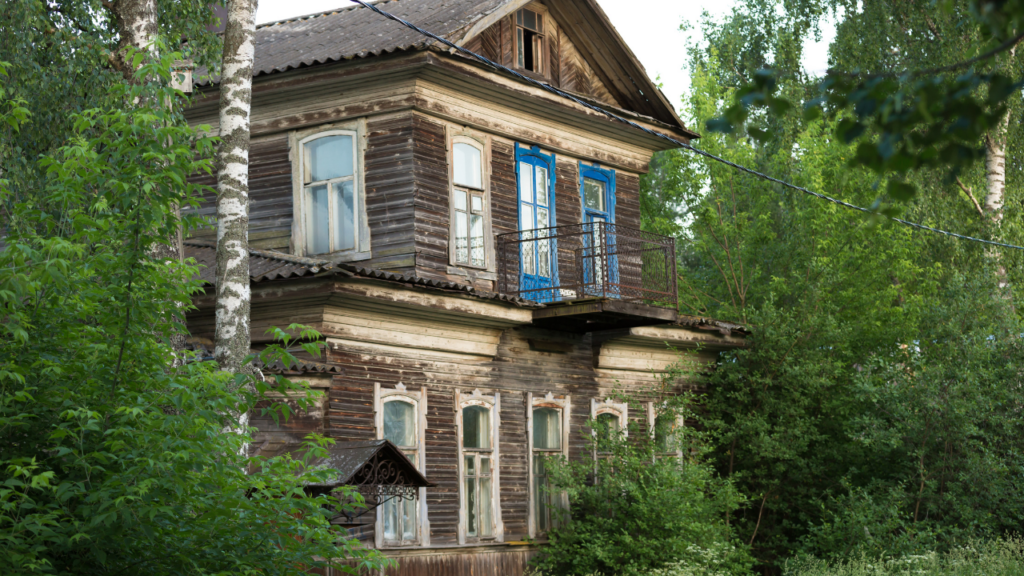
I find that asking how much life a building has left is just as important as asking how old it is right now. Remaining economic life answers a different but equally important question: not how old is this building, but how many useful years does it have left? I use this number to help lenders and investors decide if a building is a good long-term bet.
The Remaining Economic Life Formula
The formula is:
Remaining Economic Life = Total Economic Life - Effective Age
Using the renovated building from the previous example, with a total economic life of 60 years and an effective age of 18 years, the remaining economic life is 42 years.
This figure is used by lenders to determine whether a building will outlast a proposed mortgage term, by investors to assess the viability of long-term commercial leases, and by insurers to price replacement coverage.
Remaining economic life is always calculated from effective age, not chronological age. Using chronological age instead is a common error that significantly understates the useful life of a well-maintained or recently renovated building.
How Appraisers Apply It In Practice
Imagine a lender considering a 25-year mortgage application on a commercial building constructed in 1970. The chronological age is 56 years. If the total economic life estimate is 60 years, the remaining economic life on a chronological basis is just 4 years, far shorter than the proposed loan term.
The appraiser visits the property and finds that a comprehensive refurbishment completed in 2015 has replaced the roof, electrical systems, HVAC, and facade. The assigned effective age drops to 25 years.
Remaining economic life becomes 35 years, comfortably exceeding the mortgage term. The lender proceeds. This is how effective age and remaining economic life work together in professional practice, and why both calculations matter alongside the basic chronological figure.
How Building Age Affects Property Value And Insurance
Building age feeds directly into two major financial areas that property owners encounter repeatedly: how much the property is worth and how much it costs to insure.
Building Age And Property Valuation
In property valuation, building age contributes to the cost approach, one of the three primary valuation methodologies alongside the sales comparison and income approaches. The cost approach estimates value by calculating replacement cost minus depreciation plus land value.
Building age drives the depreciation figure in this equation. Older buildings with high chronological age but low effective age, achieved through renovation, often outperform expectations in the cost approach.
Buyers and investors who understand this distinction can identify properties where renovation has genuinely extended economic life, but the market price has not yet reflected it. Conversely, a building presented as mid-range in age but with a high effective age due to neglect may be overpriced relative to its actual remaining value.
Building Age And Insurance Premiums
Insurance underwriters treat building age as a direct risk indicator. Older buildings are more likely to contain materials that are expensive to replace, such as heritage brickwork, specialist timber joinery, or discontinued tile types.
They are also more likely to have electrical, plumbing, and structural systems that predate modern safety standards. Many insurers apply a premium loading to buildings beyond a certain chronological age threshold, commonly 25 to 40 years, depending on the insurer and market.
Buildings that have been substantially renovated can sometimes have that loading reduced or removed if documented evidence of system upgrades and structural improvements is provided to the underwriter. Keeping detailed renovation records is, therefore, both a valuation and an insurance asset.
How To Improve Building Age
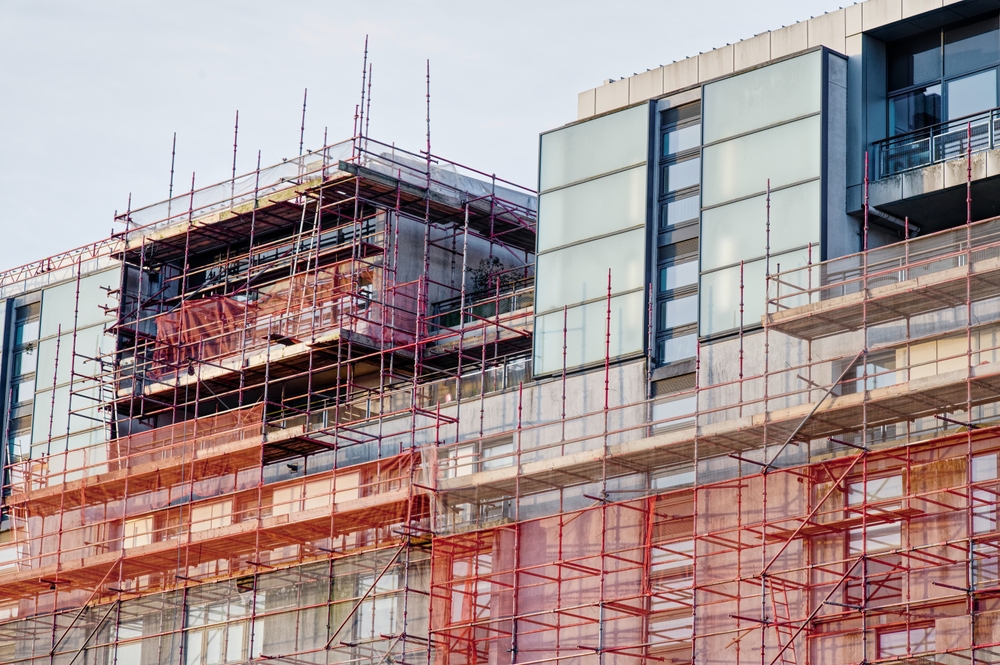
While the year a building was built cannot be changed, I can definitely lower its "effective age" by keeping it in top shape. By modernizing the internal systems and structural elements, an old building acts and feels like a much younger one to appraisers and insurers. The following high-impact strategies can be used to reset the clock on properties and protect their long-term value.
- Replace the major "bones" of the building: I focus on the electrical panels, plumbing, and HVAC systems because these are what surveyors look at first to judge age. When I replace old, dangerous wiring with modern circuits, I am directly lowering the fire risk and making the house much safer and "younger" in the eyes of the law.
- Invest in a high-quality new roof: A new roof is one of the biggest ways I can "de-age" a property since it protects every other part of the structure from water damage. I choose materials that are rated to last for 40 or 50 years, which instantly increases the "remaining economic life" of the whole building when a bank does an assessment.
- Upgrade windows and insulation for energy efficiency: I replace old, drafty single-pane windows with modern double-glazing and add thick insulation to the attic to meet today's green standards. When a building uses energy like a brand-new home, I find it much easier to argue that its effective age has been reduced significantly.
- Strengthen and stabilize the foundation: I never ignore cracks in the walls or uneven floors because these signs suggest a building is "tired" and failing at its base. By hiring experts to fix the foundation, I prove that the structure is solid and ready to last for many more decades without needing a major rebuild.
- Overhaul kitchens and bathrooms completely: I gut these rooms because they age faster than any other part of a house due to heavy use and moisture. By installing modern appliances, new tiles, and water-saving fixtures, I am bringing the most important living spaces into the current decade.
- Refresh the exterior siding and paint: I make sure the outside of the building looks fresh by power washing old brickwork or putting on a new coat of high-quality paint. This "curb appeal" is the first thing an appraiser sees, and a clean exterior tells them that the building has been loved and looked after rather than left to rot.
- Install modern safety and smart home systems: I add up-to-date fire alarms, security cameras, and smart thermostats to bring an older structure into the modern era. I find that these high-tech additions change the "feel" of an old building, making it function like a property built within the last five years.
- Maintain a detailed "Renovation Ledger": I keep a file of every permit, receipt, and photo from my repair projects to use as proof for insurers and buyers. I have found that being able to prove exactly when the pipes were replaced is the most powerful tool I have to lower the effective age on a professional report.
Frequently Asked Questions
What Is The Basic Formula For Calculating Building Age?
Building Age equals Current Year minus Year of Construction. If a building was completed in 1990 and the current year is 2026, the building's age is 36 years.
What Is The Difference Between Chronological Age And Effective Age?
Chronological age is the actual number of years since construction. Effective age is the age a building appears to be based on its condition and maintenance. A renovated building can have a much lower effective age than its chronological age.
Which Documents Confirm The Age Of A Building?
Building permits, certificates of occupancy, title deeds, cadastral records, and municipal planning archives are the most reliable. Utility connection records can also confirm when a building first became operational.
Does Renovation Change A Building's Age?
Renovation does not change chronological age. It can significantly reduce effective age, which is the figure used in professional valuations, depreciation calculations, and insurance assessments.
How Is Building Depreciation Calculated?
Divide the building's age by its total economic life and multiply by 100. A 30-year-old building with a 60-year economic life has depreciated by 50%.
What Is Remaining Economic Life?
It is the number of years a building is expected to remain functional and useful. The formula is Total Economic Life minus Effective Age. It is used by lenders, investors, and insurers to assess long-term viability.
What If I Cannot Find Construction Records?
Contact the local planning authority or land registry directly. If records cannot be found, a qualified surveyor can estimate the construction era using physical inspection of materials, architectural style, and building systems.
How Does Building Age Affect Insurance?
Older buildings typically attract higher insurance premiums due to increased repair costs, outdated materials, and systems that predate modern safety standards. Documented renovation work can reduce or eliminate premium loadings in some cases.
Final Thoughts
Calculating building age starts with a simple formula, but opens into a much richer set of professional tools the moment you look beyond the construction year. Chronological age gives you the historical fact. Effective age gives you the financial reality.
Remaining economic life gives you the forward-looking picture that lenders, insurers, and serious investors actually use to make decisions.
If you are buying a property, managing one, insuring one, or studying for a professional qualification, understanding all three layers of building age calculation puts you in a far stronger position than the single-subtraction answer most people stop at.
You Might Like: The Evolution Of Residential Architecture And Design
Jump to
Chronological Age, Effective Age, And Depreciation Explained
Key Takeaways
Why Building Age Matters More Than Most People Realize
The Basic Building Age Formula
Chronological Age Vs Effective Age: Understanding The Difference
How To Find The Year Of Construction
How To Calculate Building Depreciation From Age
Remaining Economic Life: The Calculation Professionals Use
How Building Age Affects Property Value And Insurance
How To Improve Building Age
Frequently Asked Questions
Final Thoughts

George Evans
Author
George Anderson, an exceptional architectural designer, envisions and brings to life structures that transcend the realm of imagination. With an unwavering passion for design and an innate eye for detail, George seamlessly blends form and function, creating immersive spaces that inspire awe.
Driven by a deep appreciation for the interplay of space, light, and materials, George's innovative approach redefines the possibilities of architectural design. His visionary compositions leave an indelible mark, evoking a sense of wonder and transforming the built environment.
George Anderson's transformative designs and unwavering dedication continue to shape the architectural landscape, pushing the boundaries of what is possible and inspiring generations to come.
Latest Articles
Popular Articles