How To Choose The Right Panel Fastener For Drywall/ Plasterboard And Plywood
Drywall/plasterboard and plywood are among the most common substrates specified in commercial fit outs, yet they are also some of the least forgiving when it comes to panel installation.
Author:George EvansJul 19, 202621 Shares20.7K Views
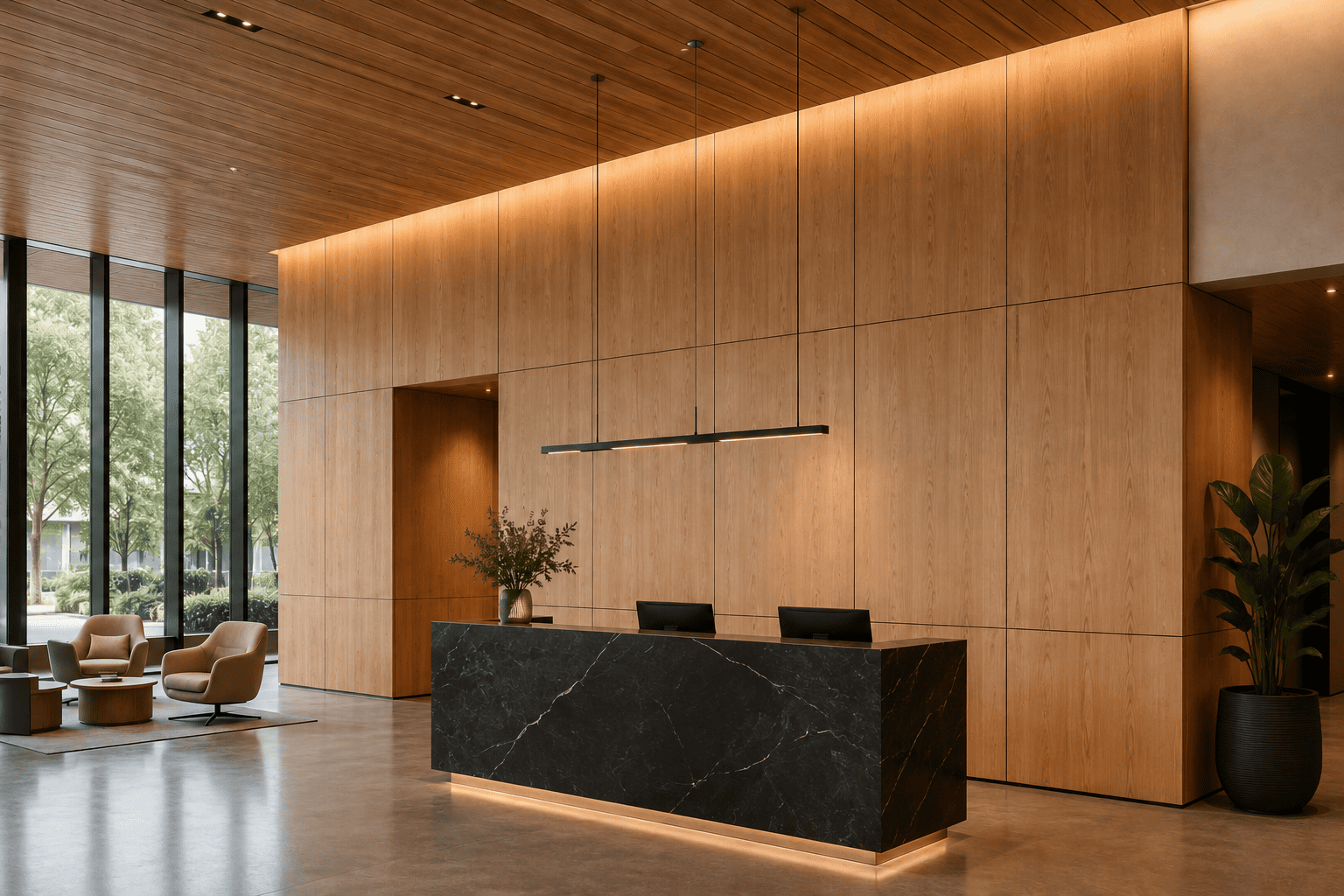
Why Fastener Choice Matters On Drywall/plasterboard And Plywood
Drywall/plasterboard and plywood are among the most common substrates specified in commercial fit outs, yet they are also some of the least forgiving when it comes to panel installation. Unlike concrete, masonry or structural framing, these lightweight boards have limited tolerance for concentrated loads. Choosing the wrong fixing method can lead to screw pull-through, cracked board around the fixing point, panels that sag out of alignment, or costly remedial work after installation.
With fit out projects running to tight schedules and clients demanding a flawless finish, selecting a fastening solution based simply on familiarity is no longer acceptable. Instead, architects and specifiers need to be choosing a fastening system matched to the performance characteristics of the material being used. For drywall/plasterboard and plywood, that means a solution designed to provide secure fixing while protecting the board from unnecessary stress.
Fastmount's SLX Range was developed specifically for these lighter materials, giving specifiers a purpose-engineered option that delivers secure engagement while allowing panels to be removed cleanly when access is required.
Understanding The Substrate And Where Traditional Fixings Fall Short
Every substrate behaves differently, and understanding those differences is the first step in selecting the right panel fixing.
Drywall/plasterboard offer relatively low resistance to concentrated loads. Around fixing points, the material can crumble or tear, particularly if panels need to be removed and reinstalled for maintenance or future reconfiguration. Once the board is damaged, restoring both its appearance and performance can add unnecessary time and expense.
Plywood generally provides greater holding strength, but that strength depends on factors such as sheet thickness and grade. A fixing that performs well in one application may not deliver the same result in another, making it important to consider the characteristics of the material before specifying a fastening solution.
Traditional fixing methods like screws, adhesives, and surface-mounted brackets all have inherent limitations. Screws rely on the board retaining sufficient holding strength, adhesives can complicate panel removal and leave residue behind, while brackets concentrate loads at relatively few fixing points exposing the material’s weakness. Any of these methods risks damaging either the board or the panel face during removal, especially where repeated access is required. Recognizing these limitations early helps avoid problems later and allows the fastening method to be selected alongside the substrate rather than as an afterthought.
What Architects And Contractors Should Look For In A Fastening System
Selecting a panel fastening system involves more than choosing one that can support the panel's weight. The right solution should also suit the substrate, simplify installation and allow panels to be removed without damaging the finished surface.
Specifiers should consider the following key criteria:
- Rated load capacity suitable for drywall/plasterboard and plywood
- Even distribution of weight across the panel
- Reliable self-alignment during installation
- Tool-free removal when maintenance or reconfiguration is required
These characteristics help improve installation efficiency while reducing the risk of damage throughout the life of the project. It's this set of requirements that the SLX Range was built around, giving specifiers consistent alignment and straightforward panel removal without the trial-and-error of traditional fixings.
Choosing fixings for drywall/plasterboard
Drywall/plasterboard performs best when panel weight is distributed across multiple concealed fixing points rather than concentrated on a handful of screws. This helps minimize stress around each fixing location while supporting a cleaner, more reliable installation.
It's also worth considering how the panels will be used over time. Where access for maintenance, services or future alterations is required, repeated removal shouldn't damage the board or reduce the effectiveness of the fixing. The Fastmount SLX Range addresses this by securing the female clip within the substrate, allowing panels to be removed and reinstalled without relying solely on a screw thread gripping the board.
Specifying Fixings For Plywood
Plywood generally offers greater holding strength than plasterboard, but specification shouldn't be based on a single set of ideal conditions. Differences in sheet thickness, grade and panel weight all influence the demands placed on the fixing.
A fastening solution that accommodates a range of applications gives architects and contractors greater flexibility if project requirements change, while helping maintain consistent performance across different plywood installations.
Why Concealed Mechanical Fasteners Outperform Traditional Methods
Concealed clip-based fixings distribute loads across the panel through multiple fixing points rather than concentrating stress in a small number of locations. This helps reduce the risk of damage to the panel materials while providing a secure, consistent installation.
They also offer a practical benefit throughout the life of a building. Panels can be removed and reinstalled cleanly for maintenance, service access or future reconfiguration without damaging the surrounding board or substrate underneath. For commercial interiors where access is often expected, that combination of speed and low risk of damage makes ongoing maintenance simpler to manage.
Fastmount's panel mounting clipscombine concealed fixing with clean removability, providing a practical alternative to traditional methods that depend on screws, adhesives or brackets.
Why Architects And Contractors Specify Fastmount's SLX Range
Fastmount's SLX Range of lightweight panel fastenershas been engineered specifically for lighter panels installed on drywall/plasterboard and plywood. The system provides secure engagement without placing unnecessary stress on these materials, while delivering the alignment control and removable access required for modern commercial interiors.
As part of Fastmount's wider panel mounting system, the SLX Range supports efficient installation while allowing panels to be removed cleanly whenever maintenance, inspection or alterations are required. This makes it well suited to the architectural panel systemsincreasingly specified for feature walls, ceilings and other commercial fit out applications.
Rather than relying on fixings that can damage the supporting board during removal, the SLX Range gives architects and contractors a practical solution that balances secure fixing with long-term accessibility. The result is a cleaner installation that's easier to maintain throughout the life of the building.
Jump to
Why Fastener Choice Matters On Drywall/plasterboard And Plywood
Understanding The Substrate And Where Traditional Fixings Fall Short
What Architects And Contractors Should Look For In A Fastening System
Why Concealed Mechanical Fasteners Outperform Traditional Methods
Why Architects And Contractors Specify Fastmount's SLX Range

George Evans
Author
George Anderson, an exceptional architectural designer, envisions and brings to life structures that transcend the realm of imagination. With an unwavering passion for design and an innate eye for detail, George seamlessly blends form and function, creating immersive spaces that inspire awe.
Driven by a deep appreciation for the interplay of space, light, and materials, George's innovative approach redefines the possibilities of architectural design. His visionary compositions leave an indelible mark, evoking a sense of wonder and transforming the built environment.
George Anderson's transformative designs and unwavering dedication continue to shape the architectural landscape, pushing the boundaries of what is possible and inspiring generations to come.
Latest Articles
Popular Articles