How To Pick Plants That Won't Clog Your Pool Filter
One of the biggest culprits for pool clutter is the surrounding garden. Choosing the right plants can significantly reduce the amount of maintenance needed, so what should you consider?
Author:George EvansJan 04, 20262.9K Shares223.9K Views
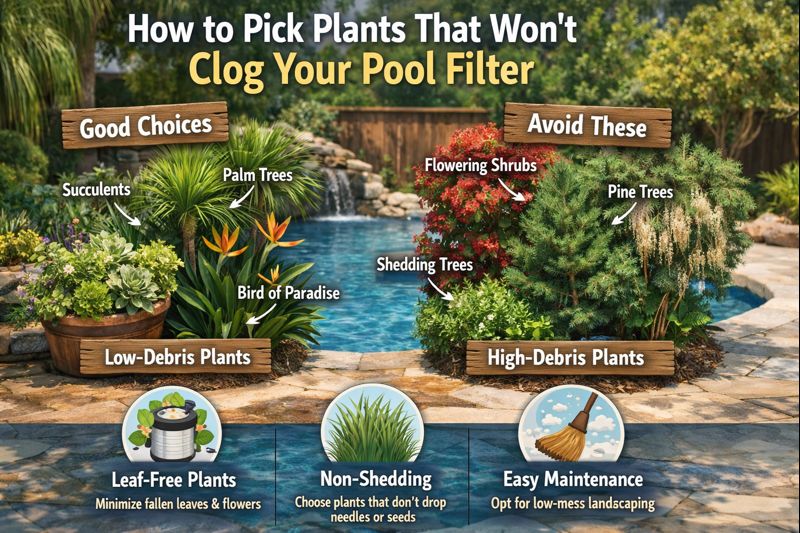
Having a pool is fantastic - it's a great way to cool off during the hotter months and a focal point for backyard entertaining. However, nobody enjoys constantly cleaning leaves and debris from the pool. One of the biggest culprits for pool clutter is the surrounding garden. Choosing the right plants can significantly reduce the amount of maintenance needed, so what should you consider? Thinking about the style of pool landscaping in Perthis an important first step.
Selecting the right flora for your pool area involves more than just aesthetics. It's about creating a balanced environment that complements your lifestyle and minimises upkeep. Let's explore some key factors to consider when choosing plants that won't clog your pool filter and keep your backyard oasis sparkling.
Understanding The Challenges
Before diving into plant selection, it's important to understand why certain plants cause more problems than others. Deciduous trees, for instance, shed their leaves seasonally, leading to a surge of debris in your pool. Plants with messy flowers or seed pods can also contribute to clogging filters and requiring frequent cleaning. Furthermore, some plants attract insects, which can then find their way into the pool, creating an unwelcome environment for swimmers.
Leaf Drop Considerations
Leaf drop is a major contributor to clogged pool filters. Deciduous trees lose their leaves seasonally, creating a significant amount of debris. Even evergreen trees can drop leaves throughout the year, although typically to a lesser extent. It's crucial to consider the leaf drop patterns of any potential plants and choose varieties that minimise this issue. Opting for plants with smaller leaves can also help, as they are often easier for the pool filter to handle.
Root Systems And Pool Structure
Another aspect to consider is the root systems of the plants you choose. Aggressive root systems can damage pool structures, paving, and underground pipes. It's essential to select plants with non-invasive root systems or to install root barriers to protect your pool and surrounding areas. Researching the mature size and root habits of plants is crucial before planting them near your pool.
Choosing The Right Plants
Now that we understand the challenges, let's look at some plants that are well-suited for pool areas. These plants are generally low-maintenance, produce minimal debris, and have non-invasive root systems. Remember to consider your local climate and soil conditions when making your selections.
Low-maintenance Options
Low-maintenance plants are ideal for busy pool owners. These plants require minimal pruning, fertilising, and watering, freeing up your time to enjoy your pool. Some excellent low-maintenance options include succulents, ornamental grasses, and native shrubs. These plants are also typically drought-tolerant, making them a sustainable choice for water-wise gardens.
Plants That Don't Attract Bees
Bees around the pool can be a nuisance and a safety concern. Choosing plants that don't attract bees is a smart way to minimise this issue. Avoid plants with brightly coloured, fragrant flowers, as these are particularly attractive to bees. Instead, opt for plants with less showy flowers or foliage-focused varieties.
Native Plant Considerations
Native plants are well-adapted to the local climate and soil conditions, making them a low-maintenance and sustainable choice. They also provide habitat for local wildlife and support biodiversity. When selecting native plants for your pool area, be sure to choose varieties that are non-invasive and produce minimal debris. Consulting with a local nursery or garden expert can help you find the best native plants for your specific location.
Strategic Planting Techniques
Even with the right plants, strategic planting techniques are essential to minimise pool maintenance. Consider the placement of plants in relation to the pool, prevailing winds, and sunlight exposure. Proper spacing and pruning can also help to reduce debris and maintain a tidy pool area.
Wind Direction And Plant Placement
Understanding the prevailing wind direction is crucial for plant placement. Avoid planting trees or shrubs upwind of the pool, as this will increase the amount of debris that ends up in the water. Instead, position plants downwind of the pool to help deflect debris away from the area. You can also use strategically placed screens or fences to further reduce the amount of windblown debris.
Creating A Buffer Zone
Creating a buffer zone between the garden and the pool can help to minimise debris and protect the pool structure. This can be achieved by using paving, decking, or gravel to create a clear separation between the plants and the pool. A buffer zone also provides a space for walking and lounging, enhancing the overall functionality of the pool area.
Maintaining Your Pool Landscape
Once you've chosen and planted your pool landscape, regular maintenance is essential to keep it looking its best. This includes pruning, fertilising, watering, and removing any debris that does make its way into the pool. A well-maintained pool landscape will not only enhance the aesthetics of your backyard but also reduce the amount of time and effort required to keep your pool clean.
Regular Pruning And Trimming
Regular pruning and trimming are essential for maintaining a tidy pool landscape. Pruning helps to control the size and shape of plants, preventing them from overhanging the pool. Trimming removes dead or damaged foliage, reducing the amount of debris that falls into the water. Aim to prune and trim your plants at least once a year, or more frequently if needed.
Dealing With Pests And Diseases
Pests and diseases can damage plants and create additional maintenance issues. Regularly inspect your plants for signs of pests or diseases and take action promptly to prevent them from spreading. Organic pest control methods, such as insecticidal soap or neem oil, are a safe and effective way to manage pests without harming beneficial insects or contaminating the pool water.
By carefully considering these factors, you can create a beautiful and functional pool landscape that minimises maintenance and maximises enjoyment. Thoughtful planning will ensure your pool remains a sparkling oasis, rather than a source of endless chores. Think about how the services for pool landscaping can help you achieve your goals for the outdoor space.

George Evans
Author
George Anderson, an exceptional architectural designer, envisions and brings to life structures that transcend the realm of imagination. With an unwavering passion for design and an innate eye for detail, George seamlessly blends form and function, creating immersive spaces that inspire awe.
Driven by a deep appreciation for the interplay of space, light, and materials, George's innovative approach redefines the possibilities of architectural design. His visionary compositions leave an indelible mark, evoking a sense of wonder and transforming the built environment.
George Anderson's transformative designs and unwavering dedication continue to shape the architectural landscape, pushing the boundaries of what is possible and inspiring generations to come.
Latest Articles
Popular Articles