The Legal Responsibilities And Liabilities I Face As An Architect
The legal responsibilities and liabilities of an architect go beyond design. Here’s my experience handling them and advice to keep yourself protected.
Author:George EvansSep 08, 20255.4K Shares365.6K Views

Legal Responsibilities And Liabilities Of An Architect You Should Know
Not long ago, an architect in California was hit with a $2.3 million lawsuit after problems showed up in a commercial building just a few years after it was finished. The cause? A simple misunderstanding about soil conditions that later led to major foundation issues. It’s a reminder that being an architect isn’t just about designing beautiful spaces; one small mistake can carry huge legal and financial consequences.
Every decision an architect makes comes with responsibility. Beyond creativity, there are strict rules, safety standards, and contracts that must be followed. Groups like the American Institute of Architects (AIA) and NCARB stress that architects are legally bound to protect public safety, follow building codes, and honor their contracts with clients. If those duties aren’t met, the risks range from lawsuits to financial losses or even losing a license.
Over the years, I’ve seen many people confused about what architects are really responsible for. Clients often ask, “Can I sue if something goes wrong with my building?”Students want to know, “What duties come with my license?”Even practicing architects sometimes worry, “What happens if I miss a code requirement?”
This guide will clarify those answers. I’ll walk you through the key legal responsibilities that every architect must uphold and the liabilities they may face if those responsibilities are breached, explained in simple, practical terms for clients, students, and professionals alike.
Understanding The Difference Between Responsibilities And Liabilities
It’s essential to distinguish between the two ideas before listing them.
- Legal responsibilitiesare the duties an architect must follow by law or contract. For example, ensuring a building meets fire safety codes is a responsibility.
- Liabilitiesare the consequences an architect faces when those responsibilities aren’t met. If a design fails to adhere to fire safety standards and an injury occurs, the architect may be held liable.
Think of it this way: responsibility is the promise, and liability is the price of breaking that promise. With that in mind, let’s look at the lists.
Legal Responsibilities Of An Architect
1. Comply With Building Codes And Regulations
One of the first legal duties I take seriously as an architect is following building codes and regulations. These aren’t just bureaucratic rules; they’re carefully created standards that ensure buildings are safe, functional, and accessible for everyone.
Whether it’s fire safety measures, structural requirements, or proper ventilation, every code is there for a reason. If I ignore them, the entire project can get shut down or even declared unsafe for use.
I’ve learned that compliance also protects me legally. When my designs follow the latest codes, I not only safeguard the people who will use the building but also protect myself from lawsuits or penalties. Cutting corners here may seem tempting to save time or money, but it almost always backfires.
2. Protect Public Safety
For me, protecting public safety is the heart of architecture. Every beam, wall, and exit I design must ensure that people can live, work, or gather without unnecessary risks. If I create a design that overlooks safety, I’m not just risking fines, I’m putting lives in danger.
That’s a weight I never take lightly. This responsibility goes beyond professional pride; it’s a legal requirement. Governments and licensing boards expect architects to prioritize safety over aesthetics or cost.
No matter how beautiful a design looks on paper, if it compromises safety, it is simply unacceptable. It is my duty to ensure that my work always prioritizes people.
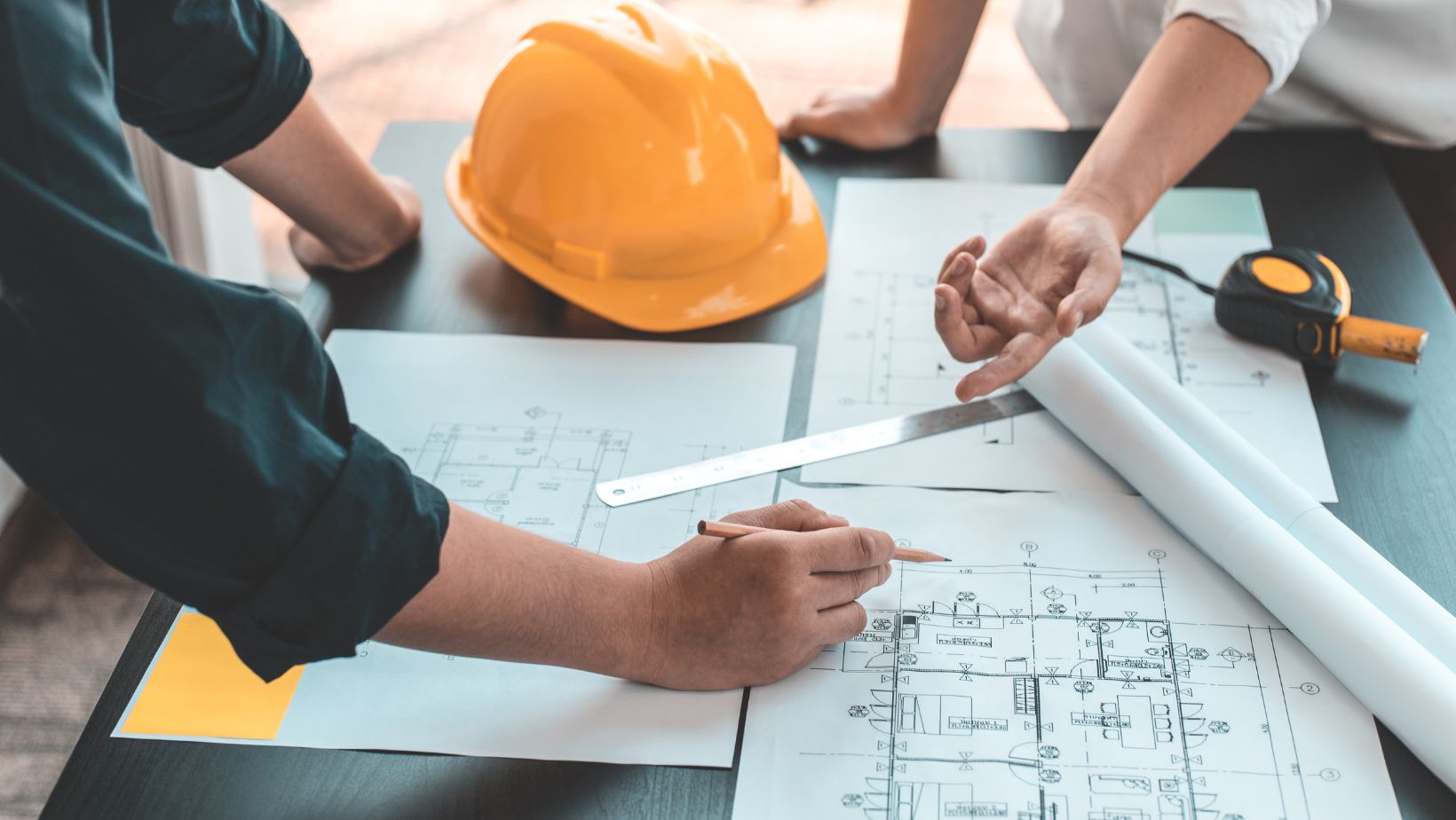
3. Follow Zoning And Land Use Laws
Before I even sketch out a concept, I have to check zoning and land use laws. These laws determine what can and cannot be built in certain areas. For example, I can’t design a tall apartment building in a neighborhood zoned only for single-family homes.
Ignoring zoning laws could mean wasted time, rejected permits, and angry clients. I’ve realized that zoning is about striking a balance between protecting communities and allowing growth. When I follow these rules, I help ensure the project blends into its environment legally and socially.
It also saves everyone from expensive legal disputes later on. It’s one of those behind-the-scenes responsibilities that clients may not always notice, but it’s critical to getting a project approved.
4. Maintain Professional Competence
Architecture isn’t a “learn once and you’re done” profession. I’m legally expected to stay up-to-date with new materials, technology, and design methods. If I don’t keep learning, I risk making outdated decisions that could harm a project or even make it unsafe.
Professional competence isn’t just about skill; it’s about accountability. In fact, many licensing boards require ongoing education for architects. This ensures that I can deliver work that meets current standards and avoids costly mistakes.
By keeping my knowledge fresh, I not only meet my legal duties but also build trust with clients who rely on me for safe, modern, and effective solutions.
5. Meet Contractual Obligations
When I sign a contract with a client, I know every word matters. That agreement becomes a legal responsibility that I must honor, from sticking to deadlines and staying within budgets to meeting design requirements.
Failing to deliver what I promised can open the door to legal disputes or financial claims. I’ve found that clear communication helps prevent most problems here. If unexpected issues arise, I’m upfront with clients and document everything.
Contracts protect both me and the client, but they also demand a high level of commitment. Meeting these obligations isn’t just good business; it’s the law.
6. Respect Environmental Laws
In today’s world, environmental responsibility is non-negotiable. As an architect, I must consider the impact my designs have on the planet. Laws often require me to account for things like energy efficiency, sustainable materials, and waste management.
Ignoring these requirements can lead to hefty fines or lawsuits. Personally, I see this responsibility as more than just legal; it’s moral. Designing buildings that respect the environment protects future generations and builds healthier communities.
By following environmental laws, I not only stay compliant but also create designs that clients can be proud of.
7. Ensure Proper Ventilation And Indoor Air Quality
A key part of an architect’s job is making sure people can breathe clean, healthy air inside the buildings we design. Ventilation isn’t just about adding windows or vents, it’s about planning how air flows, reducing risks like mold or pollutants, and creating spaces where people feel comfortable and safe.
Good design goes beyond looks. When we plan for fresh air and choose safe materials, we protect the health of the people using the space every day. In the end, a building isn’t successful unless it supports both comfort and well-being.
8. Provide Accurate Drawings And Specifications
Accuracy in drawings is critical. My designs guide the entire construction process, so if they’re unclear or wrong, the consequences can be dangerous. Poor documentation can cause costly delays, accidents, or disputes between contractors and clients.
That’s why I always double-check my work before submitting it. I see drawings as a legal promise. When I put my seal on a set of plans, I’m saying they are safe, correct, and ready to be built.
If I make a major mistake, I can be held responsible in court. Providing precise and reliable documents protects both the project and my career.
9. Protect Client Confidentiality
Clients often share sensitive information with me, from personal financial details to private business plans. Legally and ethically, I’m bound to keep this information confidential.
Breaking that trust could not only cost me my license but also expose me to lawsuits. I treat confidentiality as part of building strong client relationships. People need to feel safe sharing their ideas and concerns with me.
By protecting their information, I not only fulfill a legal duty but also create a foundation of trust that makes every project smoother and more successful. This is something I also stress to students and those in architecture apprenticeships, because learning to respect confidentiality is just as important as learning to design.
10. Avoid Conflicts Of Interest
As an architect, I must always put my client’s best interests ahead of personal gain. That means avoiding hidden deals with contractors, suppliers, or anyone else that could influence my decisions unfairly.
Even the appearance of a conflict of interest can cause legal trouble and damage my reputation. I’ve learned that transparency is key here. If there’s ever a potential conflict, I disclose it right away.
Being upfront protects me legally and shows clients that they can trust me. Integrity is as much a part of architecture as design, and it’s a responsibility I take seriously.
11. Supervise Work When Required
In some projects, I’m legally required to supervise the construction phase to make sure everything is being built according to the approved design. This isn’t just about checking progress; it’s about ensuring safety and verifying that plans are followed correctly.
If I fail to show up when supervision is expected, it could open the door to mistakes that might later become my legal responsibility. Skipping supervision doesn’t just put the project at risk, it puts me at risk too.
If something goes wrong, clients or regulators can argue that I neglected my duty. That’s why whenever supervision is required, I take it seriously and document every visit. It’s not just good practice, it’s legal protection.
12. Provide Cost Transparency
One of the biggest sources of tension in any project is money. As an architect, I’m legally expected to be upfront about costs, estimates, and potential risks. If I understate costs to “win” a project or fail to inform my client about possible changes, that could easily lead to a legal claim of misrepresentation.
I’ve learned that being transparent saves everyone headaches later. When I clearly explain where costs might rise, whether due to material choices, labor, or unexpected issues, clients trust me more.
Honesty about money isn’t just ethical, it’s a responsibility that keeps me out of legal trouble. Interestingly, this same principle of transparency shows up in broader fields like travel and human rights, where honesty and fairness are what build lasting trust and accountability.
13. Protect Intellectual Property
Architecture is a creative work, but creativity doesn’t mean we can copy others. I have a legal responsibility to respect copyright laws, which means I can’t use another architect’s drawings, concepts, or details without permission.
Doing so could lead to lawsuits or damage my professional reputation. At the same time, I must also protect my own work. That means registering my designs, contracts, and drawings so no one else can steal them.
Intellectual property laws exist to safeguard both sides, and following them ensures that my work and the work of others is respected.
14. Follow Health And Safety Standards On Site
Whenever I step onto a construction site, I’m legally bound to follow health and safety rules. This can include wearing protective gear, following site procedures, and making sure my presence doesn’t put me or others at risk.
If I ignore these rules, and an accident happens, I could be held accountable even if I wasn’t directly involved. Following safety standards isn’t just a formality; it’s a legal shield and a way to show that I take responsibility seriously.
15. Ensure Structural Integrity
Every building I design must stand strong and safe. Even though engineers handle the detailed calculations, I share responsibility for approving designs that meet structural requirements. If I knowingly approve a weak or unsafe structure, I can be held liable in court.
This responsibility is heavy because it affects lives. Structural integrity isn’t about aesthetics or cost it’s about making sure walls, foundations, and roofs won’t fail. I always remind myself that my choices could decide whether people inside a building are safe or at risk.
16. Communicate Clearly With Clients
Clear communication is more than good manners it’s a legal duty. Every decision, change, or risk must be shared with my client in a way they can understand. If I fail to document conversations or updates, it could later be used against me as evidence of negligence.
I’ve seen how miscommunication can quickly spiral into disputes. By keeping records of emails, drawings, and meeting notes, I protect both my client and myself. Good communication avoids confusion, builds trust, and reduces legal risk.
17. Stay Within Legal Boundaries Of Practice
As an architect, I have a license that defines what I’m allowed to do. If I step outside those boundaries, like taking on structural engineering tasks without the proper credentials, I’m exposing myself to serious legal consequences.
It can be tempting to take on more to “help” a client, but the law doesn’t allow that. Staying in my lane protects me and ensures that clients get the right experts for the right job. When in doubt, I consult or collaborate instead of overstepping.
18. Obtain Necessary Permits
Before construction starts, permits and approvals are usually required. Helping clients secure these permits is part of my responsibility. If work begins without them, the project could be fined, shut down, or even demolished, and I could share the blame.
Permits may feel like red tape, but they exist to ensure safety and compliance. I always make sure this step is handled properly because missing it can turn a successful project into a costly nightmare.
19. Provide Honest Advertising
In my portfolio, website, or proposals, everything I present must be truthful. If I exaggerate my experience, misrepresent past projects, or make claims I can’t deliver, it’s not just unethical; it can be challenged legally as false advertising.
Clients trust my word when they hire me, so I make sure my advertising reflects what I can genuinely do. Honesty builds credibility, while exaggeration risks lawsuits and damaged reputation. Transparency is always the safer path.
20. Coordinate With Other Professionals
One thing I always remind myself is that architecture isn’t a solo effort. On every project, I need to coordinate with engineers, contractors, and sometimes even interior designers or landscape architects.
By keeping communication clear and steady, I make sure everyone is moving in the same direction and nothing important gets overlooked. When I take the time to listen and work well with other professionals, the project always runs smoothly.
It cuts down on mistakes, avoids delays, and helps create a final result that clients are proud of and that I’m proud to stand behind. This kind of teamwork is also what has shaped the success of many of the top famous architects, who built their careers not just on design talent but also on strong collaboration.

Liabilities Of An Architect
1. Design Negligence
One of the biggest risks for any architect is design negligence. If I make a mistake in my drawings or overlook a detail that later causes defects in the building, I can be held legally responsible. This isn’t just about a crooked wall it could be anything from leaks, cracks, or unsafe structures that put people in danger.
Clients trust me to get it right, so even small errors can turn into major legal battles. I’ve learned that being extra careful with design reviews and double-checking specifications is not optional, it’s essential.
Courts take design negligence seriously, and insurance claims don’t always cover the damage to my reputation. It reminds me that precision isn’t just a skill in architecture, it’s a shield against lawsuits.
2. Failure To Meet Safety Codes
Safety is the backbone of architecture. If I ignore fire exits, design stairways too narrow, or forget proper ventilation, I’m putting lives at risk. When that happens, I can face serious legal claims because safety standards are non-negotiable.
They exist to protect everyone who steps into the building. For me, it’s a wake-up call to always prioritize safety over design aesthetics. A beautiful space means nothing if it isn’t safe to use.
Meeting codes isn’t just a box to tick it’s the foundation of responsible practice. When I stick to safety rules, I’m not only following the law but also protecting my clients, the public, and myself.
3. Breach Of Contract
Contracts are promises written in ink, and breaking them has real consequences. If I miss a deadline, go over budget, or fail to deliver what I agreed to, I can be sued for breach of contract.
These agreements are legally binding, and clients rely on them to keep projects on track. I’ve realized that contracts are more than formalities; they’re the backbone of trust. To avoid liability, I keep everything transparent: timelines, costs, and deliverables.
When I respect the contract, I protect myself and build stronger relationships with clients who know they can depend on me.
4. Misrepresentation
Misrepresentation happens when an architect promises something they can’t actually deliver. If I exaggerate my skills, claim a building will have features I can’t provide, or paint a false picture of the project outcome, I could face legal trouble.
Clients have every right to hold me accountable for misleading them. That’s why I’ve learned to be honest about my abilities and realistic in my promises. Overselling might win a project in the short term, but it risks lawsuits and a damaged reputation later.
I’d rather under-promise and over-deliver than face the liability of misrepresentation.
5. Construction Delays
Time is money in construction, and if I cause delays through poor drawings, late approvals, or missed reviews, I may be held liable. Even if the delay wasn’t intentional, my role as the architect means I share responsibility for keeping things moving.
To protect myself, I make it a habit to respond quickly, communicate clearly, and prepare accurate drawings upfront. Delays not only frustrate clients but also increase costs, and that’s when legal claims start to appear.
Staying organized helps me avoid becoming the reason a project falls behind.
6. Cost Overruns
Clients trust me to give them realistic cost estimates, but if I miscalculate and the project goes way over budget, I can be held liable. Cost overruns are one of the most common complaints clients make, and they can quickly turn into legal claims if they cause financial strain.
I’ve realized that being upfront about potential risks is better than giving a low number just to please a client. Transparency builds trust, while inaccurate numbers destroy it. That’s why I double-check estimates, factor in contingencies, and keep clients updated whenever changes arise.
7. Structural Failures
Few liabilities are as serious as structural failures. If a building collapses or suffers damage because of a design flaw, the architect can be taken to court and in extreme cases, face criminal charges. Structural integrity isn’t just about the building; it’s about protecting human lives.
I take this responsibility very seriously. Working closely with engineers, reviewing calculations, and checking materials helps reduce this risk. Knowing that people’s safety depends on my designs keeps me cautious and detail-focused. It’s a heavy liability, but one that pushes me to always aim for the highest standard of work.
8. Workplace Accidents
Even if I’m not on-site every day, I can still share liability for workplace accidents if poor supervision or unsafe design contributed to them. Something as simple as unclear plans or overlooked safety details can put workers in danger and land me in legal trouble.
That’s why I follow safety rules whenever I visit sites and ensure that my drawings leave no room for risky shortcuts. It’s not only about protecting workers but also about protecting myself from claims. A safe site reflects a responsible architect.

9. Copyright Infringement
Copyright infringement is another liability I always keep in mind. Using another designer’s work without permission can result in fines, lawsuits, and damage to my professional name. Intellectual property laws exist to protect creativity, and architecture is no exception.
At the same time, I also need to protect my own work. Registering designs and contracts helps me prove ownership if anyone tries to copy them. Respecting other people’s ideas and guarding my own has become a critical part of my practice.
10. Environmental Damage
These days, environmental responsibility is tied closely to legal liability. If my design harms the environment through illegal land use, poor waste management, or energy inefficiency, I could face penalties. Governments are getting stricter about sustainability, and I can’t afford to ignore that.
I’ve learned that eco-friendly design isn’t just good for the planet it’s also smart protection against lawsuits. By choosing sustainable materials, following green building standards, and respecting natural surroundings, I not only avoid liability but also deliver projects that clients feel proud of.
11. Client Disputes
One of the toughest parts of being an architect is dealing with client disputes. If a client feels like I’ve misled them, delivered less than what was promised, or failed to meet expectations, things can quickly turn into legal trouble. Even when my intentions are good, misunderstandings can be costly.
I’ve also learned that disputes don’t always come from major issues. Sometimes, something as simple as poor communication or not explaining design limitations clearly can make a client feel dissatisfied. That’s why I try to be transparent at every stage, because keeping trust is just as important as the design itself.
12. Liability For Subcontractors
As architects, we often recommend or coordinate with contractors and consultants. The problem is, if someone I recommend does poor work, the client might hold me partly responsible. Even if I wasn’t the one laying the bricks, my professional judgment is still on the line.
This liability has taught me to choose partners very carefully. A bad contractor can damage my reputation and create financial or legal consequences I didn’t expect. So I make sure to vet subcontractors thoroughly, because every decision reflects back on me.
13. Fraudulent Practices
Fraud is one liability that can destroy an architect’s career in an instant. Accepting bribes, manipulating contracts, or falsifying documents may seem like shortcuts to profit, but they almost always end in criminal charges and long-term damage.
I’ve seen how even small dishonest actions can snowball. Architecture is built on trust, and once that trust is broken, it’s nearly impossible to repair. That’s why I stick to complete honesty in my work it’s the only way to build a lasting career.
14. Personal Injury Claims
If someone gets hurt because of my design, like falling on unsafe stairs or slipping on poorly planned flooring, I can be sued for personal injury. These cases can get very serious, especially when the injury is severe.
I’ve realized that safety is more than just ticking boxes on a code checklist. Every design choice, from the angle of a ramp to the width of a railing, carries real-life consequences. That’s why I always design with the end users’ safety in mind, not just aesthetics.
15. Failure To Secure Permits
Starting a project without proper permits is one of the quickest ways to land in legal trouble. If I fail to secure the necessary approvals, the client usually blames me even if they were supposed to handle part of the paperwork.
The penalties can be harsh, ranging from fines to complete project shutdowns. I’ve learned to treat permits as a priority, because missing them can undo months of planning and destroy client trust overnight.
16. Discrimination Claims
Accessibility isn’t just good practice it’s a legal requirement. If I design a building without proper ramps, elevators, or features for people with disabilities, I could face discrimination claims under disability rights laws.
For me, this goes beyond liability. Architecture should serve everyone equally, and leaving out accessibility features isn’t just a legal risk it’s unfair to the people who need them most. So I always design with inclusivity at the core.
17. Insurance Gaps
Professional insurance is supposed to protect me when things go wrong. But if I don’t carry the right type or enough coverage, I could end up paying huge liabilities out of my own pocket. That kind of financial hit can ruin a career.
This is why I treat insurance as an essential part of the job. It’s not optional it’s a safety net. Without it, even a small mistake can turn into a personal financial disaster.
18. Defamation Or Breach Of Confidentiality
Words can cause as much damage as designs. If I reveal a client’s private information or speak negatively about a competitor, I could face lawsuits for defamation or breach of confidentiality.
Professional speech matters. Over time, I’ve realized that maintaining discretion and respecting boundaries protects not just my clients, but also my reputation in the industry.
19. Technology Errors
These days, so much of architecture depends on digital tools. If files are lost, corrupted, or hacked, I could be held responsible for delays or damages. A cyber breach might even expose sensitive client information, creating a major liability.
That’s why I take digital security seriously backups, encryption, and safe storage are as important as the drawings themselves. Technology makes my job easier, but it also brings risks I have to manage carefully.
20. Criminal Negligence
The harshest liability an architect can face is criminal negligence. This happens in rare but tragic cases where extreme neglect in design or supervision leads to deaths or serious injuries. At that point, it’s no longer just a lawsuit it’s a criminal matter.
For me, this is a constant reminder of the weight of responsibility in architecture. Every decision affects people’s lives, and careless mistakes can have irreversible consequences. That’s why I never take shortcuts when safety is on the line.
Examples Of Liability

In my work as an architect, I face different forms of liability that can arise from mistakes or oversights. For instance, if a design error causes financial lossto a client, I can be held responsible for the extra costs involved.
Similarly, structural issues that come from flaws in my design can put safety at risk, and that responsibility ultimately falls on me. Even project delays whether from missed deadlines or inadequate supervision can result in liability if they impact the client’s timeline and budget.
Factors That Limit Liability
Thankfully, there are ways to reduce or manage these risks. Limitation clauses in contracts can clearly outline the extent of my liability, protecting me from unlimited claims. There are also liability periods, set by law, that restrict how long a client can take legal action against me.
Most importantly, I carry professional liability insurance, which acts as a safety net in case a genuine mistake leads to damages. These measures don’t remove my responsibilities, but they help ensure that liability remains fair and manageable.
People Also Ask
What Qualifies You As An Architect?
To be qualified as an architect, you need formal education in architecture, practical training, and a license from a recognized architectural board. In most countries, this means completing an accredited degree, passing professional exams, and gaining hands-on experience before you can legally practice.
What Insurance Do I Need As An Architect?
Professional indemnity insurance is the backbone of most business insurance policies for architects as it protects you in the event that a client loses money as a result of negligence in your advice, services or design.
Can An Architect Terminate A Contract?
Yes, an architect can terminate a contract, but only under certain conditions. This usually happens if the client fails to pay, breaches the agreement, or changes the project in a way that makes it impossible to continue. The termination must follow the terms written in the contract to avoid legal disputes.
Does An Architect Need Public Liability?
Yes, public liability insurance is important for architects. It protects against claims if someone is injured or property is damaged during a project. Without it, the architect may have to cover these costs personally, which can be financially devastating.
What Are The Liabilities Of An Architect?
An architect’s liabilities include design errors, project delays, safety code violations, failure to secure permits, and disputes with clients. They may also be held accountable for subcontractor mistakes, poor communication, or digital errors in design software.
What Are The Responsibilities Of An Architect?
An architect’s main responsibilities include designing safe and functional buildings, ensuring compliance with codes, managing project costs, and coordinating with contractors. They also guide clients through the approval process and must protect both public safety and the client’s interests.
Final Thoughts
Looking back, I’ve realized that architecture isn’t just about creativity; it’s also about responsibility. Understanding legal risks is what allows us to practice with confidence, not fear. For students, learning this early sets a strong foundation. For professionals, it’s the safeguard that keeps your career and reputation secure.
For me, it’s not about being afraid of lawsuits or mistakes; it’s about being prepared. I keep learning, document my work carefully, and lean on the advice of legal and insurance experts when I need to. That preparation gives me the freedom to focus on what I truly love: designing spaces that matter.
At the end of the day, protecting your future is as important as shaping the built environment. Master your responsibilities, and you’ll not only create great designs you’ll build a career that lasts.
Design boldly, but protect wisely.

George Evans
Author
George Anderson, an exceptional architectural designer, envisions and brings to life structures that transcend the realm of imagination. With an unwavering passion for design and an innate eye for detail, George seamlessly blends form and function, creating immersive spaces that inspire awe.
Driven by a deep appreciation for the interplay of space, light, and materials, George's innovative approach redefines the possibilities of architectural design. His visionary compositions leave an indelible mark, evoking a sense of wonder and transforming the built environment.
George Anderson's transformative designs and unwavering dedication continue to shape the architectural landscape, pushing the boundaries of what is possible and inspiring generations to come.
Latest Articles
Popular Articles