Metal Arches In Architecture: The Day-to-Day Designs
Arch designs have been used in architectural designs for centuries, where it has become a fundamental part especially with many of the contemporary designs built being on the knowledge of ancient civilisations and delivered using modern engineering capabilities.
Author:George EvansJul 29, 202525.3K Shares518.3K Views
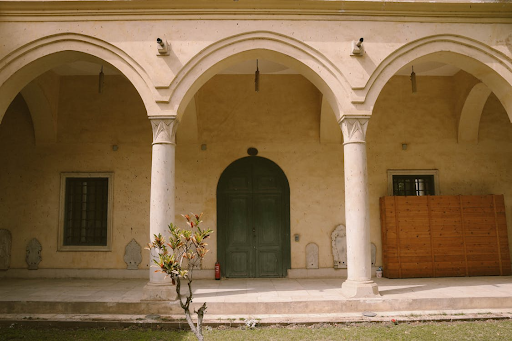
Arch designs have been used in architectural designs for centuries, where it has become a fundamental part especially with many of the contemporary designs built being on the knowledge of ancient civilisations and delivered using modern engineering capabilities.
These curved structural components not only distribute weight efficiently and allow architects to solve complex planning problems, but they also provide a striking façade that adds to the amenity value of a development.
As alluded to above, the architectural use of arches dates back across the millennia, with early civilisations using stone and brick to create load-bearing curves. Ancient Romans were the first to perfect the semi-circular arch, whilst Gothic architects from the mid-12th to 16th century created pointed arches that climbed toward the heavens.
Following the Industrial Revolution however, metal emerged as one of the cheapest and most easily available building materials. This totally revolutionized arch construction and opened up a whole new world of possibilities for architects.
Metal Arches In Modern Architecture
Nowadays architects integrate metal arches into a wide range of building types that encompass commercial, residential and industrial developments. These structures can be seen in shopping malls, airports, office buildings and both private and communal dwellings.
The versatility of metal allows architects to incorporate arches in ways that would have been impossible to pre-Industrial Revolution architects and engineers. Another tool in the arsenal of modern architects that makes metal arch engineeringmore accessible is computer aided design.
In the not too distant past, architects used to have to draw up their plans on huge drawingtables by hand. In order to test the loading capabilities of structures and materials, they would also have to carry out a number of complex calculations.
Now, tools like AutoCAD allow architects to do all of those things on their PCs and, whilst programs like these are hard to master and often confusing, they have significantly cut down design times and given users much more flexibility in their plans and testing. As such, the planning involved in metal arches is far more accessible and time efficient than ever before.
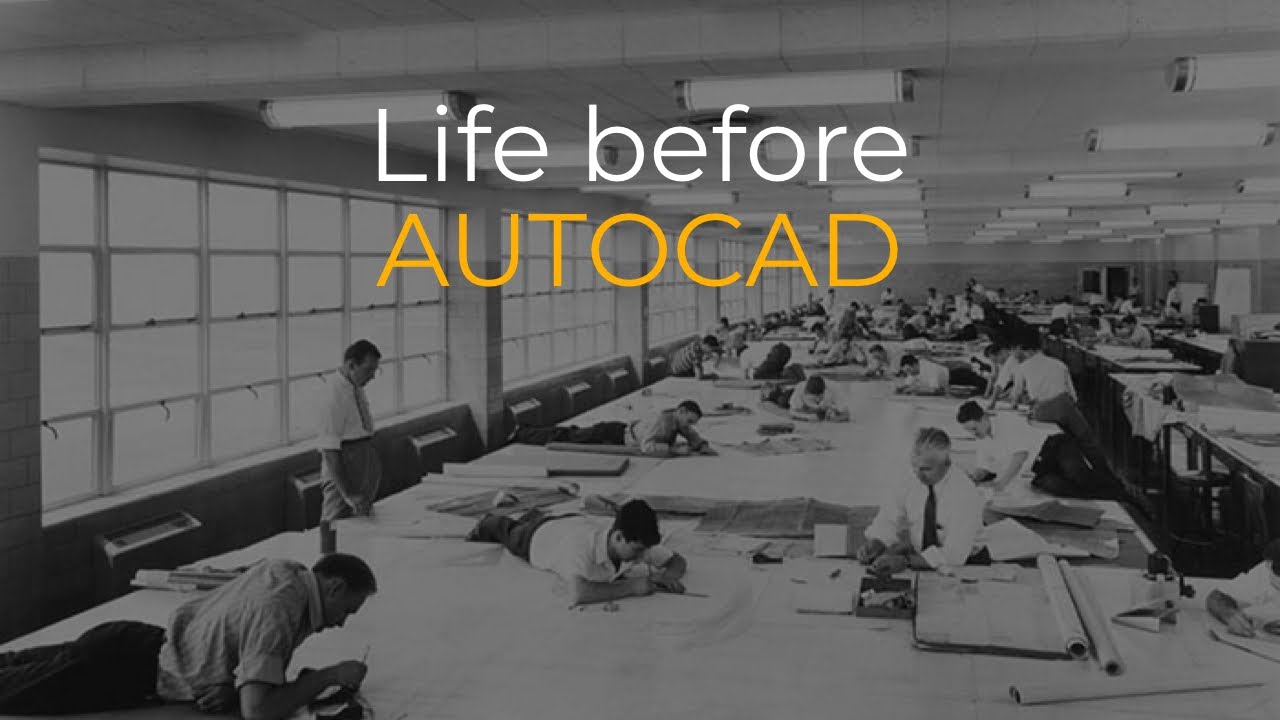
Life Before AUTOCAD in B&W
(Life before CAD was very different for architects and structural engineers.)
Archways And Entrance Design
The most prominent and striking use of metal arches is in archways and entrances. Some of the most seen varieties include:
- Rounded arches which create soft, welcoming entrances
- Pointed arches which give imposing, Gothic vibes to a structure
- Segmental arches that are more subtle and minimalist
- Elliptical arches offering unique and bespoke proportions for specialized structures and applications
Quonset Huts
One of the most recognisable metal arches can be seen on the Quonset hut, which is a structure steadily growing in popularity once again here in the United States. Originally developed during the Second World War, these semi-circular structures have been reborn in the modern day.
Industrial users are purchasing and installing them to provide warehouse facilities and storage, and private individuals are buying them for a range of reasons that span from outdoor fitness to garden offices.
The Materials Used In Metal Arch Design
Steel remains the main material for metal arch construction, largely due to its strength to weight ratioand its pliability which allows for easier design. The main subtypes of steel used in metal arch engineering are:
- Carbon steel which provides strength at a slightly lower price, although as recent years have taught us, carbon structures aren’t great at depth…
- Stainless steel which is great for challenging environments
- Weathering steel, often seen on industrial structures as it balances aesthetics with upkeep
- Galvanized steel, the strong and long-term anti-corrosion option
Aluminium and wrought iron also have their own specific uses but are less often seen than the examples above.
In Summary
Arches have a long and storied history in human architecture and design. The technological advancements of the past two centuries however, have made it far more affordable and easy to produce and incorporate arches used metal.
Commercially, we are seeing a boom in metal arch engineering with the growth of Quonset huts which appear to be en vogue with Americans from Texas to Alaska.

George Evans
Author
George Anderson, an exceptional architectural designer, envisions and brings to life structures that transcend the realm of imagination. With an unwavering passion for design and an innate eye for detail, George seamlessly blends form and function, creating immersive spaces that inspire awe.
Driven by a deep appreciation for the interplay of space, light, and materials, George's innovative approach redefines the possibilities of architectural design. His visionary compositions leave an indelible mark, evoking a sense of wonder and transforming the built environment.
George Anderson's transformative designs and unwavering dedication continue to shape the architectural landscape, pushing the boundaries of what is possible and inspiring generations to come.
Latest Articles
Popular Articles