Sustainable Design Trends In Mixed-Use Developments
Architecture and urban planning are changing fast. And honestly? It's about time. Mixed-use developments are leading this shift toward sustainability, and they're doing it in ways that actually make sense.
Author:George EvansSep 19, 202543.2K Shares576.5K Views
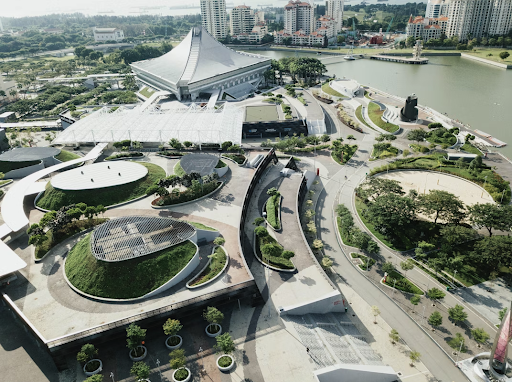
Architecture and urban planningare changing fast. And honestly? It's about time. Mixed-use developments are leading this shift toward sustainability, and they're doing it in ways that actually make sense.
These projects don't just throw residential, commercial, and recreational spaces together and call it a day. When done right, they create something special — communities where you can live, work, and play without contributing to urban sprawl.
But here's the thing: success depends on getting all the pieces to work together seamlessly.
Energy That Actually Works
Let's talk about energy efficiency. It's not just about slapping solar panels on a roof anymore (though that's still important). Today's mixed-use developments are getting creative with geothermal systems, wind turbines, and smart energy management.
Take Seattle's Bullitt Center. This building doesn't just use renewable energy. It produces more than it consumes. That's net-positive energy, and it's becoming the gold standard. Sure, the upfront costs are higher, but the long-term savings are impressive.
The trick is strategic planning. You can't just retrofit these systems later and expect magic. Everything needs to work together from day one.
Community Spaces That Matter
The best mixed-use developments understand that sustainability isn't just about the environment — it's about creating communities that last. Quality service models focus heavily on spaces where people actually want to spend time.
We're seeing developments that include everything from co-working spaces to recreational facilities, which shows how entertainment and community engagement can work hand in hand.
These aren't just amenities thrown in to justify higher rents. They're designed to get people talking to their neighbors, building the kind of community connections that make places worth living in long-term.
Services That Add Real Value
Smart developers are borrowing ideas from successful platforms. Think about what makes platforms like Americas Cardroomwork — they offer something unique that keeps people engaged.
In mixed-use developments, this might mean digital platforms that help residents connect, spaces for entrepreneurs to test business ideas, or wellness programs that go beyond a basic gym. The key is integration. These services need to feel like a natural part of the community, not an afterthought.
Smart Tech (When It's Actually Smart)
Smart citiesaren't science fiction anymore. Walk through Songdo, South Korea, and you'll see what's possible when technology serves a real purpose — automated lighting that responds to occupancy, water systems that detect leaks before they become problems, and waste management that actually manages waste efficiently.
But here's what matters: the technology should be invisible to residents. Nobody wants to fight with their building's app just to adjust the temperature.
Green Building Done Right
Green architecture has moved way beyond LEED certificationcheckboxes. We're seeing buildings that set ambitious goals and actually achieve them. Take The Crystal in London with its zero-carbon, zero-waste standards, for example.
Vertical gardens aren't just Instagram-worthy anymore. They're functional systems that improve air quality and provide insulation. Sustainable materials are becoming cost-competitive with traditional options. And buyers are paying attention to these features when making decisions.
Bringing Nature Back to Cities
Milan's Bosco Verticale proved something important: you can integrate serious amounts of vegetation into urban buildings without compromising functionality. Green rooftops, rain gardens, and living walls aren't just pretty. They're working systems that manage stormwater, reduce heat island effects, and improve air quality.
These elements also provide something harder to quantify but equally important: they make urban spaces feel more human. There's solid researchshowing that access to green spaces improves mental health and overall well-being.
The reality is that sustainable mixed-use developments aren't just a nice idea. They're becoming essential. Cities are growing, climate change is real, and people want to live in communities that reflect their values. Developers who figure out how to balance environmental responsibility with genuine community building will create the places where people actually want to live.
The challenge isn't technical anymore. We know how to build efficiently, integrate smart systems, and create green spaces. The challenge is doing it all while building communities that feel authentic and sustainable in every sense of the word.

George Evans
Author
George Anderson, an exceptional architectural designer, envisions and brings to life structures that transcend the realm of imagination. With an unwavering passion for design and an innate eye for detail, George seamlessly blends form and function, creating immersive spaces that inspire awe.
Driven by a deep appreciation for the interplay of space, light, and materials, George's innovative approach redefines the possibilities of architectural design. His visionary compositions leave an indelible mark, evoking a sense of wonder and transforming the built environment.
George Anderson's transformative designs and unwavering dedication continue to shape the architectural landscape, pushing the boundaries of what is possible and inspiring generations to come.
Latest Articles
Popular Articles