When Dry Doesn’t Mean Safe: The Hidden Side Of Water Damage Recovery
A room can look dry, smell normal, and seem completely fine—while quietly holding onto the kind of moisture that causes expensive trouble later.
Author:George EvansMar 20, 202626.2K Shares379.8K Views
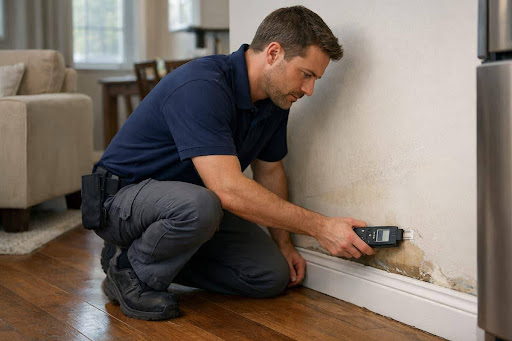
A room can look dry, smell normal, and seem completely fine—while quietly holding onto the kind of moisture that causes expensive trouble later. That is one of the most misunderstood parts of water damage recovery. People tend to judge the situation by what they can see: the puddle is gone, the floor feels dry, the emergency seems over. But visible dryness is not the same thing as a safe, fully recovered structure. That is exactly why many homeowners end up calling a restoration company in Bostonafter they thought the problem had already been handled.
The reality is simple: water travels farther than most people expect, and it lingers in places most people never check. It slips beneath flooring, behind baseboards, into insulation, into cabinet framing, and into the hidden layers of walls and ceilings. Even a relatively small leak can create a much bigger recovery issue if the moisture is left inside building materials. In many cases, what looks like a completed cleanup is really just the start of the problem.
Water Likes To Hide Where People Rarely Look
One reason water damage gets underestimated is that it does not always stay where it starts. A visible stain on the ceiling may not be directly below the source. A dishwasher leak may not stop at the kitchen floor. Water follows gravity, gaps, seams, and materials that absorb it well. It is sneaky in a very unglamorous, highly annoying way.
Here are a few places hidden moisture often ends up:
- Under hardwood, laminate, or vinyl flooring
- Behind bathroom vanities and kitchen cabinets
- Inside drywall and insulation
- Beneath baseboards and trim
- Around window frames and exterior wall cavities
- In subfloors and framing around plumbing lines
This is why homeowners sometimes mop up a leak, run a fan for a day, and feel relieved—only to notice weeks later that the floor starts cupping, the paint bubbles, or a musty smell appears out of nowhere. It did not appear out of nowhere, of course. It just took its time.
When moisture gets into concealed spaces, proper drying becomes much more than setting up airflow in the room. In situations like this, professional water damage restoration servicescan make the difference between a manageable repair and a drawn-out series of surprises.
“It Feels Dry” Is Not A Reliable Test
This is probably the biggest misconception in water damage recovery: the idea that if a surface feels dry to the touch, everything underneath it must also be dry. That would be convenient. Unfortunately, buildings are not that cooperative.
Drywall can seem dry on the outside while still holding moisture deeper inside. Wood framing can retain moisture long after flooring appears normal. Carpet may feel dry on top while the pad underneath stays damp. And once moisture gets trapped between layers of materials, it can stay there much longer than people realize.
A quick home cleanup often focuses on what is easy to reach:wipe the floor, open windows, point a fan toward the area, maybe say a few frustrated words at the plumbing. Those steps are not useless, but they are not the same as verifying that the structure is truly dry.
That distinction matters because lingering moisture is what drives many of the secondary problems people associate with water damage:
- Material swelling and warping
- Peeling paint or damaged finishes
- Loose tile or flooring adhesive failure
- Ceiling texture damage
- Deterioration of drywall and wood components
- Musty odors and indoor air quality concerns
In other words, the visible mess might be gone while the real damage is still getting comfortable.
The Mold Risk Often Starts After The Panic Is Over
Mold is one of the main reasons “dry-looking” spaces can still be unsafe. It does not need a dramatic flood scene to grow. It just needs moisture, organic material, and enough time. That is why seemingly minor leaks under sinks, behind appliances, around toilets, or inside wall cavities can become mold issues before homeowners even realize anything is still wet.
And here is the part that catches people off guard: mold risk often increases after the obvious emergency phase has passed. Once everyone relaxes and assumes the area is fine, hidden moisture continues sitting inside materials. That is when growth can begin in places no one is monitoring closely.
A few signs that moisture may still be present even after cleanup include:
- A musty or earthy smell
- New discoloration on walls or ceilings
- Peeling paint or soft drywall
- Baseboards separating from the wall
- Flooring that feels uneven, swollen, or loose
- Increased allergy-like irritation in the area
Of course, not every musty smell automatically means a major contamination issue. But it does mean the area deserves a closer look. Hidden moisture and mold have a habit of becoming more expensive the longer they are ignored. That is why some homeowners eventually need mold removal services in Bostonafter assuming a small leak had already been “taken care of.”
The First Cleanup And The Full Recovery Are Two Different Things
A lot of frustration comes from treating emergency cleanup and full recovery as if they are the same task. They are related, but they are not identical.
The first cleanup is about immediate control:stop the source, remove standing water, protect belongings, and reduce the obvious mess.
Full recovery is about making sure the affected structure is actually dry, stable, and safe to keep in place.
That second part may involve checking moisture in walls, floors, cabinetry, trim, or other materials that cannot be evaluated with a quick glance. It may also involve removing parts of the assembly that are too wet, too damaged, or too likely to create long-term problems if left in place.
This matters especially in homes with:older construction, multiple previous repairs, layered flooring materials, finished basements, limited ventilation, or past water incidents. Those conditions make hidden retention more likely and make “looks okay to me” a riskier strategy.
It is a little like getting caught in the rain and deciding your socks are probably dry because your jacket is. Optimistic? Sure. Accurate? Usually not.
Why Delayed Damage Is So Common
One of the reasons water damage feels unfair is that the worst signs are often delayed. The original leak may happen on Monday, but the warped baseboard shows up on Friday. The ceiling stain gets darker two weeks later. The odor develops after the room has been closed up for a while. That delay creates a false sense of security.
Some of the most common delayed effects include:
- Wood movement and floor distortion
- Drywall weakening or staining
- Fastener rusting
- Cabinet deterioration
- Paint and texture failure
- Lingering odor issues
- Mold growth in concealed spaces
By the time those symptoms appear, the moisture has often been sitting inside materials far longer than anyone wanted. That is why early assessment matters so much. Water damage is one of those home problems where being “pretty sure it is fine” can become a very expensive phrase.
What Homeowners Can Do Right Away
Homeowners do not need to panic every time they find water, but they should take it seriously. A smart first response goes a long way.
Helpful first steps include:
- Stop the source if possible
- Remove standing water quickly
- Move rugs, boxes, and furniture away from the affected area
- Increase airflow if safe to do so
- Document the damage with photos
- Pay attention to adjacent materials, not just the obvious wet spot
- Monitor for odor, staining, swelling, or softness over the following days
The key is not to assume the job is done just because the room looks better. Water damage recovery is not really about appearances. It is about moisture control inside the structure.
Conclusion
When people think of water damage, they usually picture the dramatic part: the leak, the puddle, the rush to clean everything up. But the hidden side of water damage recovery is often where the real cost lives. Materials can hold moisture long after surfaces appear normal, and that gap between “looks dry” and “is dry” is where warping, odors, and mold problems begin.
That is why visible dryness should never be the only standard. Safe recovery means understanding where water traveled, what materials were affected, and whether the structure is actually dry—not just presentable. Because in water damage recovery, dry-looking and truly safe are not always the same thing, and the building always knows the difference, even when the homeowner does not yet.

George Evans
Author
George Anderson, an exceptional architectural designer, envisions and brings to life structures that transcend the realm of imagination. With an unwavering passion for design and an innate eye for detail, George seamlessly blends form and function, creating immersive spaces that inspire awe.
Driven by a deep appreciation for the interplay of space, light, and materials, George's innovative approach redefines the possibilities of architectural design. His visionary compositions leave an indelible mark, evoking a sense of wonder and transforming the built environment.
George Anderson's transformative designs and unwavering dedication continue to shape the architectural landscape, pushing the boundaries of what is possible and inspiring generations to come.
Latest Articles
Popular Articles