Understanding Bodily Injury Claims After An Accident
After a car accident or any kind of serious crash, one of the first things people worry about is their health and how they’re going to pay for medical care. If you were hurt, you might have a valid bodily injury claim.
Author:George EvansJul 06, 202544.7K Shares657.4K Views
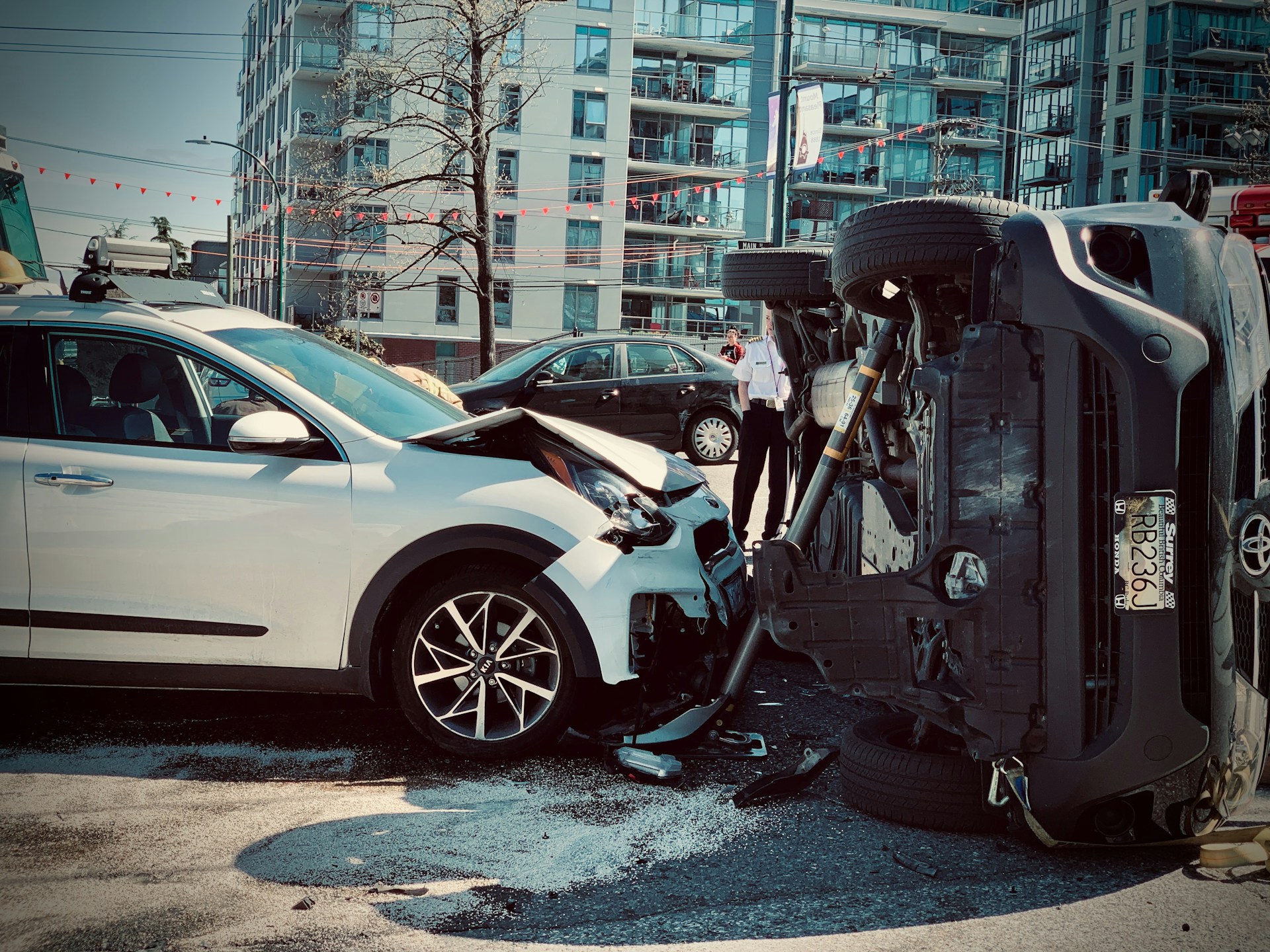
According to the Centers for Disease Control and Prevention, unintentional injuries are the third leading cause of death in the US, with a significant number of deaths from falls and poisonings. Driving under the influence of drugs or alcohol remains a leading cause of car crash deaths.
After a car accident or any kind of serious crash, one of the first things people worry about is their health and how they’re going to pay for medical care. If you were hurt, you might have a valid bodily injury claim.
According to https://www.cleaveslawfirm.com/, the compensation in a personal or bodily injury claim will cover only those costs that are a direct result of the injuries that were suffered. Your lawyer is responsible for demonstrating this connection between the injury and the costs for which you’re seeking compensation.
Let’s break down what a bodily injury claim is, how it works, and what you can do to make sure you’re treated fairly.
What Is A Bodily Injury Claim?
Injuries are legal claims for damages that happen and are caused by an event wherein someone was hurt physically. The other person has to pay for your medical bills, lost wages, and pain and suffering because of the accident.
You need to obtain proof from medical records, accident reports, and other sources that are important to the case. You need to prove that the other individual was careless and hurt you so your case can move forward.
You should know what to do if you need to go to court again and talk to insurance firms. Once the claim has been proven to be true, steps will be taken to help you get back into society.
You have to understand that bodily injury settlement amountswill depend on how badly you were hurt, how much money you lost, and how solid your evidence is.
Steps To Take Immediately After An Accident
What you do immediately after an accident can have a bearing on any bodily injury claims you have later.
Put everyone's safety first. Go to a safe area. Check for injuries, and if there are any, call for help right at once. Take pictures of the cars involved, any injuries that happened, and anything else that might be important to the case.
Give the other person your name, address, and insurance information, along with the names and addresses of people who can give a testimony. Never say you are at fault, nor make any statement that might be used against you later.
No matter how minor your injury seems, you still need to go to the hospital and get yourself professionally checked. Some symptoms are hidden and can only be found by doctors. These tips will help you stay healthy while you work to get money for your injuries.
Gathering Necessary Documentation For Your Claim
Gathering appropriate proof will help your claim for bodily damage.
Get your medical records and information about your care, such as bills, medications, and diagnostic tests.
Request a copy of the accident report by soliciting police witnesses. The report contains important details about what happened. Verify your lost wages by collecting pay stubs or letters from your employer.
Take photographs of the accident scene and your injuries to serve as additional supporting evidence for your claim. Keep an accurate record of your recovery path concerning any pain and limitations. These records can be referenced for future legal actions or claims.
Meticulous documentation can provide valuable context about the accident.
Understanding Compensation And Damages
Compensation and damages are the most important parts of a bodily injury claim, as they determine your losses.
Several types of compensation occur when you are injured. Economic damages refer to medical bill expenses, lost income, or property damages. This type of damage refers to things that cost you money.
Non-economic damages include pain, suffering, mental distress, and lessened quality of life, and the terms all define losses that can be very hard to measure but are significant. Punitive damages can be used to penalize improper behavior.
Knowing these classifications of damage will give you awareness regarding the total impact your injury could have on you. Understand your rights in this aspect and the effect of such classifications on the amounts that would be awarded to you in your case.
Tips For Handling The Claims Process
Victims can go through a lot of stress, both physically and mentally, since the claims process is so complicated.
Efficient evidence collection will help you have a smoother claims process. Don’t be hasty in accepting settlements and allow your injuries to manifest.
Request clarifications and communicate properly with your insurer. A personal injury lawyer should be consulted to find out what your rights as an injured person are and how you might get recompense.
Organize your files and keep your filings up to date to minimize the stress you feel in the process.

George Evans
Author
George Anderson, an exceptional architectural designer, envisions and brings to life structures that transcend the realm of imagination. With an unwavering passion for design and an innate eye for detail, George seamlessly blends form and function, creating immersive spaces that inspire awe.
Driven by a deep appreciation for the interplay of space, light, and materials, George's innovative approach redefines the possibilities of architectural design. His visionary compositions leave an indelible mark, evoking a sense of wonder and transforming the built environment.
George Anderson's transformative designs and unwavering dedication continue to shape the architectural landscape, pushing the boundaries of what is possible and inspiring generations to come.
Latest Articles
Popular Articles