Bridging The Air Quality Gap - Why Buildings In The Global South Need Military-Grade Toughness
If you're designing an office building in London or New York, the rulebook for indoor air quality is pretty much written. You follow ASHRAE standards, install a standard commercial HVAC system and you're good to go. But try to apply that same playbook to a new corporate headquarters in Lagos, a factory in Dhaka, or a hospital in Manila and you're setting the project up for failure from day one.
Author:George EvansOct 07, 20251.2K Shares88.9K Views
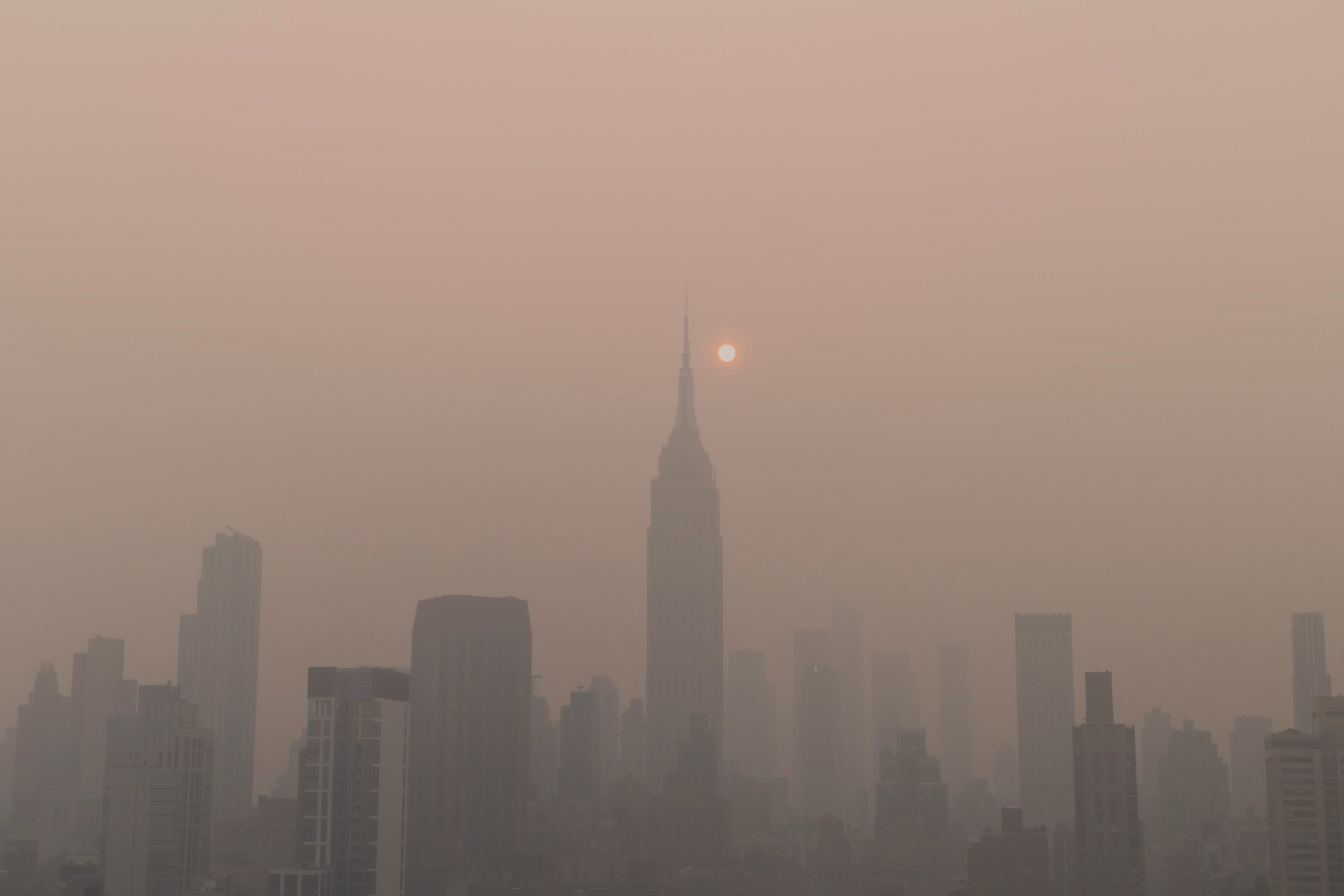
The challenge in these fast-growing markets isn't just about comfort; it's a fundamental battle against the environment. You're dealing with extreme external pollution, constant power fluctuations and a maintenance reality where specialized parts and technicians are hard to come by.
The standard approach to HVAC (built for stable, predictable conditions) just crumbles under this pressure. The result isn't just a stuffy office; it's a full-blown health and productivity crisis happening inside the very buildings meant to drive economic growth.
The Staggering Price Of Bad Air
Let's be clear: the air quality problem inside many commercial buildings in the Global South is a silent economic killer. It's a double-whammy: toxic outside air (think PM2.5) seeps in, while inside, the building itself traps CO2, VOCs from materials and pathogens because the ventilation can't keep up.
We've seen the data from call centers and manufacturing plants across South Asia, and it's shocking. Simply upgrading to serious air filtration can boost worker productivity by 15, 20, even 25 percent. When you see numbers like that, it stops being an architectural sidebar. It becomes the main event.
It means that the standard glass-and-steel box with a standard HVAC unit is actively costing companies money by making their employees sick and sluggish. For an architect working in these contexts, the building's envelope can't just be about aesthetics or keeping the rain out. It has to function like a bio-defense shield.
Why Standard HVAC Systems Can't Cut It
The problem is that off-the-shelf commercial HVAC systems are built for a world that doesn't exist in many parts of the Global South. They make three fatal assumptions:
- Stable Power:They assume clean, consistent electricity. A voltage spike from a shaky grid can fry the delicate circuit boards in a modern unit in seconds, leaving the entire system dead for days or weeks while you hunt for a replacement part.
- Clean Air:Their filters are designed for relatively clean Western city air. They're utterly overwhelmed by the dense particulate matter and dust common in many developing megacities. They clog up fast, strain the motors and require constant, costly maintenance that often doesn't happen.
- Easy Maintenance:They assume a readily available supply chain and trained technicians. When a specialized compressor fails in a remote location, you can't just call the local distributor. The system stays down, and the building becomes unusable.
For a mission-critical facility (a data center, a lab, a pharmaceutical plant) this level of unreliability is a non-starter. The environmental control system needs to be the most resilient part of the building, not the weakest link.
The Military-Grade Mindset: Building For The Worst Case
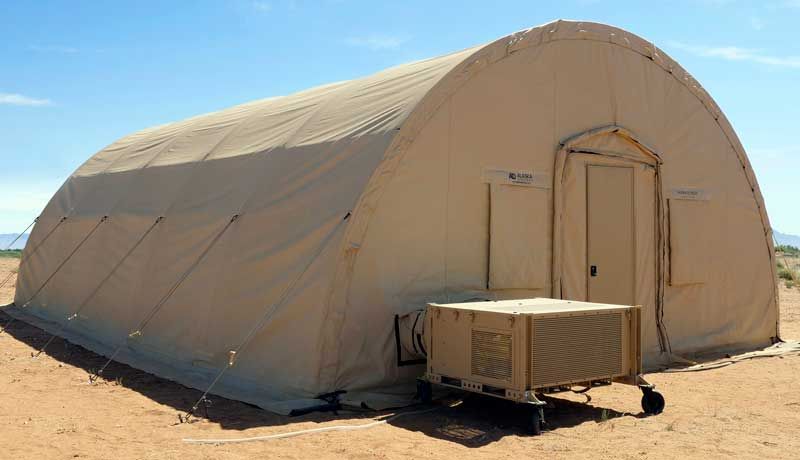
So, where do you find technology that's built to thrive in chaos? You look to the sectors where failure means catastrophe: the military and disaster response. In a forward-operating base or a field hospital, the environmental system isn't about comfort; it's about survival. It has to work, no matter what.
This is the gold standard. For architects who need to guarantee performance in volatile environments, the benchmark shouldn't be the standard commercial catalog. It should be the rugged reliability of a mil-spec environmental control unit.
What does that actually mean on the ground? It means specifying equipment that is:
- Built Like a Tank:These units are engineered from the ground up to take a beating. They're shock-mounted, corrosion-resistant and designed to run 24/7 in sandstorms or monsoons without failing.
- Airtight Filtration:They come with serious filtration (often true HEPA levels) as a standard feature, capable of handling the extreme particulate loads that would choke a standard system in a matter of days.
- Self-Sufficient:They're designed to work seamlessly with backup generators and are incredibly power-efficient, because they're built for places where the grid is a suggestion, not a guarantee.
Adopting this mindset means you stop seeing your commercial project as just a building. You start seeing it as a strategic deployment in a challenging environment. You're not just ticking a box for code compliance; you're engineering for operational continuity.
This isn't about over-engineering for the sake of it. It's about making a smart, long-term investment that protects the health of the occupants and the productivity of the business. By borrowing this page from the military's playbook, we can finally start designing buildings for the Global South that aren't just copies of Western models, but are genuinely resilient, healthy and productive places for people to work and live.

George Evans
Author
George Anderson, an exceptional architectural designer, envisions and brings to life structures that transcend the realm of imagination. With an unwavering passion for design and an innate eye for detail, George seamlessly blends form and function, creating immersive spaces that inspire awe.
Driven by a deep appreciation for the interplay of space, light, and materials, George's innovative approach redefines the possibilities of architectural design. His visionary compositions leave an indelible mark, evoking a sense of wonder and transforming the built environment.
George Anderson's transformative designs and unwavering dedication continue to shape the architectural landscape, pushing the boundaries of what is possible and inspiring generations to come.
Latest Articles
Popular Articles