Why Caged Ladders Are A Must-Have
Even if you’re a seasoned construction worker, heighted roofs can still make you anxious, much less an ordinary person. One wrong step, and you could be lying in a hospital bed for months.
Author:George EvansApr 22, 20263.6K Shares96.3K Views
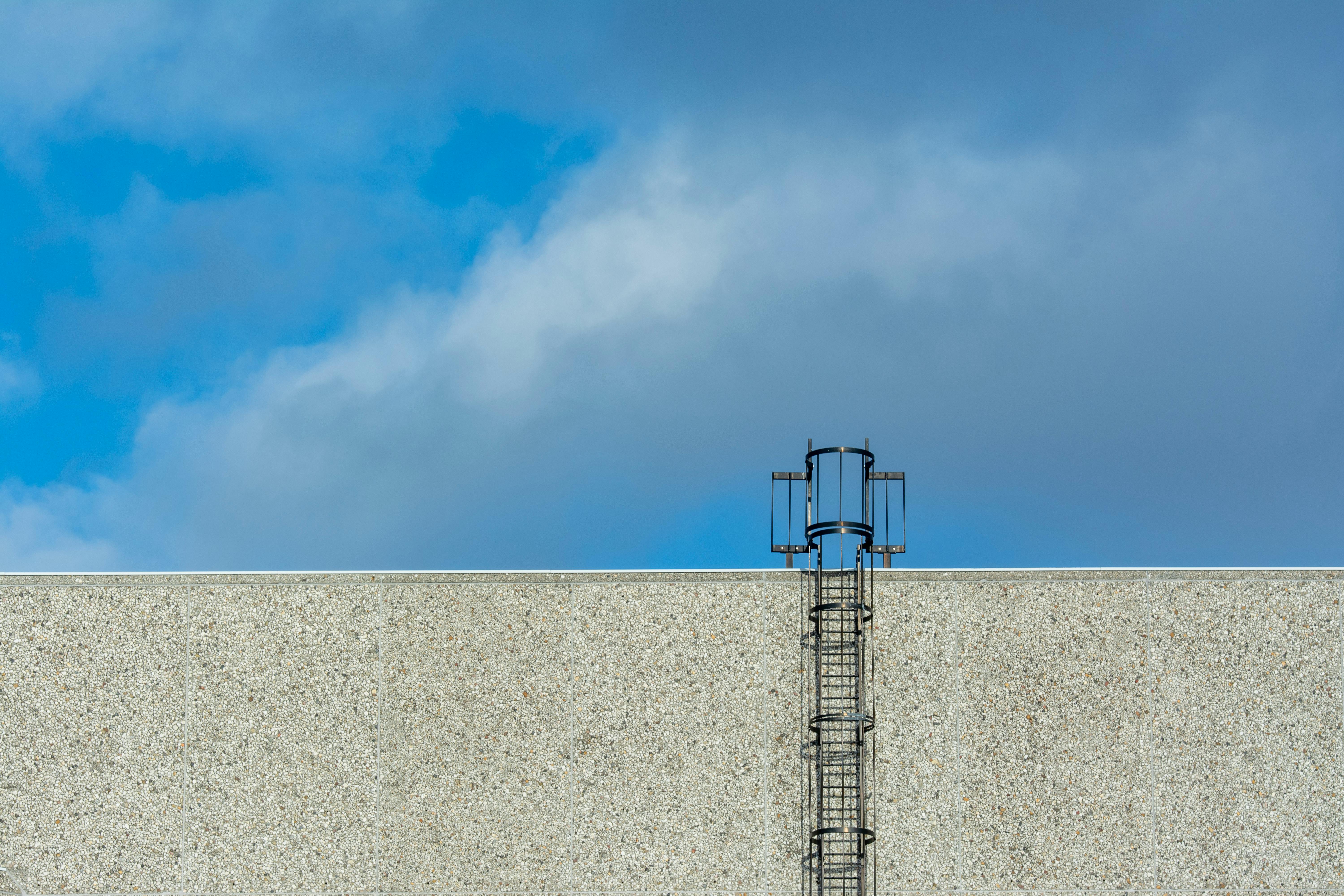
Even if you’re a seasoned construction worker, heighted roofs can still make you anxious, much less an ordinary person. One wrong step, and you could be lying in a hospital bed for months. Drastically, over 6200 Aussies were put in hospital after injuries incurred from ladder falls in 2021-2022, while approximately 66 people lost their lives.
This is why a safety cage on a roof access ladder became an extremely important requirement for any building.
How The Cage Provides Safety
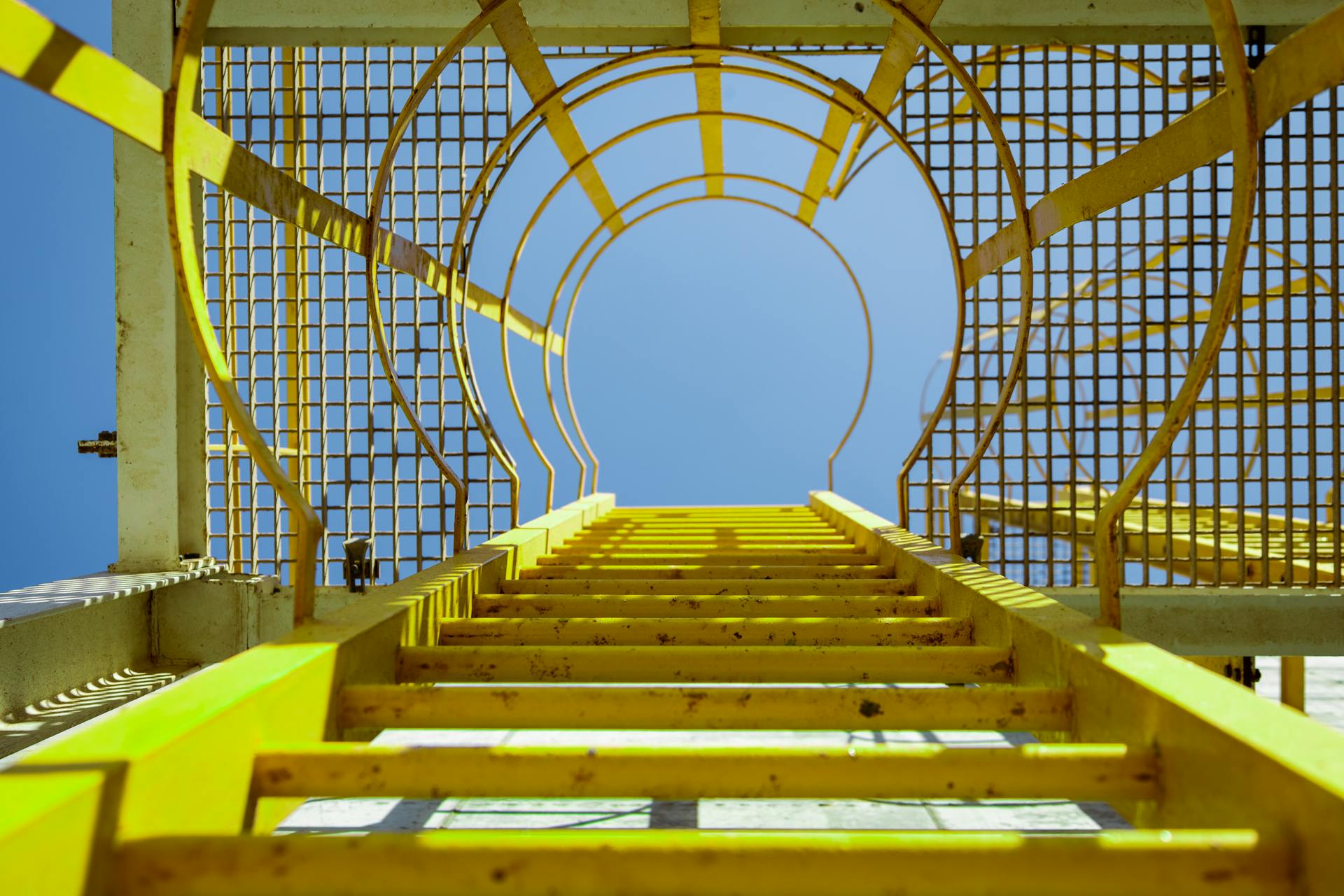
Caged ladders are designed to keep people safe as they climb. They act like a safety net. Falling from an industrial roof height can cause serious injury or death.
Therefore, an uncaged ladder is simply a death sentence if any worker is doing maintenance work on the side of a building, at 10 meters high from the ground. This cage assists them in moving upward safely while carrying all the tools and equipment they need. Even if in an unfortunate accident, they do fall down, the cage will protect them from falling head-first on the ground from such a height.
Why Sticking To AS 1657:2018 Compliance Is Important
Many people think that it’s nice to have caged ladders, but they don’t know that they are required by law. Cages or similar fall protection systems are made necessary by the Australian government under AS1657:2018 complianceif your workers are working at a height above 3.5 meters.
This compliance guideline is specifically aimed at making access to high spots through stairs, platforms, or walkways safer, not only for workers but for everyone in general.
AS1657 code applies to the following:
- Ladders leading to the roof and the plant deck
- Service walkways as well as maintenance platforms
- Fixed ladders, stairs, and guardrails
- Silo towers, tanks and other raised structures
In simple words, this compliance code tells you how to get to higher places in buildings safely for any checks, service needs, or inspections.
Modern Design For Australian Weather Conditions
Most caged ladders’ design is well thought out and specifically built to last longer in the Aussie climate. The weather in Australia can be very harsh on every structure. The scorching sunrays, rain, and marine salt spray take a toll on the metal ladders. Modern design of caged roof access ladderincludes the use of corrosion-resistant grade-A aluminium or galvanised steel to protect from UV damage and intense Australian heat.
Practical Benefits For Businesses
A caged roof access ladder plays a big role in making your workers’ tasks safer and easier. The stress of going up without any safety assurance can be nerve-wracking even for professionals. They stay anxious and are at a greater risk of making mistakes. However, with a cage, the workers feel safer. Their stress reduces and focus increases as they move up the ladder to complete the task at hand safely.
Another important benefit is that complying with AS1657:2018 saves your company from penalties and shows that your company takes good measures to abide by the law and take the safety of its workers into account.
When you invest in a safety net like a caged ladder, it saves you money in the long run. It is especially true if you’ve invested in a modern caged ladder because it needs little maintenance, less downtime, and above all, it ensures fewer liability claims.
How To Choose The Right Ladder
Caged ladders don’t usually have any height restrictions. You can get them as high as you need, but be sure to check the cage spacing, cage material, its compliance with AS1657 code and if it suits your roof setup. Using aluminium or galvanised steel caged ladders is the best choice, especially if your building is located near the coast or sun-exposed areas in Australia.
Standing on solid ground in Australian heat can make your head spin, let alone standing on a ladder, 7 meters above the ground. And if that ladder has no safety net, even seasoned workers can take a fall.
To prevent any such accidents, companies should invest in caged ladders made from durable material that can withstand the extreme heat of Australia. It must also meet AS1657:2018 standards so that the employees can climb those ladders without worrying about their well-being.

George Evans
Author
George Anderson, an exceptional architectural designer, envisions and brings to life structures that transcend the realm of imagination. With an unwavering passion for design and an innate eye for detail, George seamlessly blends form and function, creating immersive spaces that inspire awe.
Driven by a deep appreciation for the interplay of space, light, and materials, George's innovative approach redefines the possibilities of architectural design. His visionary compositions leave an indelible mark, evoking a sense of wonder and transforming the built environment.
George Anderson's transformative designs and unwavering dedication continue to shape the architectural landscape, pushing the boundaries of what is possible and inspiring generations to come.
Latest Articles
Popular Articles