Comfort, Productivity, And Energy Bills: Why Indoor Climate Matters At Work
It is easy to think of indoor comfort as a “nice to have.” After all, people can technically work in a room that is a little too warm or a little too cold. But anyone who has sat through a long meeting in a stuffy conference room knows that comfort directly affects focus.
Author:George EvansMay 29, 2026161 Shares53.7K Views
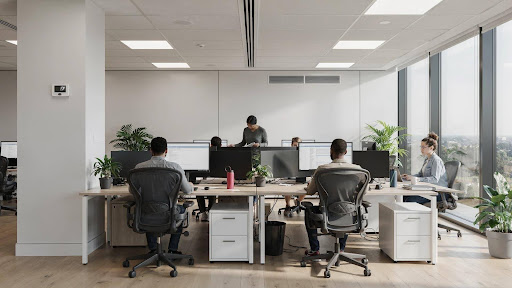
Indoor climate is one of those workplace details people rarely talk about when everything feels fine. The office is comfortable, the air feels normal, employees are focused, customers are not fanning themselves with brochures — life goes on. But when the temperature is off, the air feels stuffy, or the utility bill suddenly jumps, the HVAC system becomes impossible to ignore.
For business owners and facility managers, heating and cooling are not just about comfort. They affect productivity, energy costs, customer experience, employee satisfaction, equipment reliability, and even how professional a space feels. A well-maintained system supported by a reliable HVAC contractorcan help keep the building comfortable without letting energy costs quietly spiral out of control.
Comfort Is Not a Luxury — It Shapes How People Work
It is easy to think of indoor comfort as a “nice to have.” After all, people can technically work in a room that is a little too warm or a little too cold. But anyone who has sat through a long meeting in a stuffy conference room knows that comfort directly affects focus.
When the indoor temperature is uncomfortable, employees spend more mental energy noticing the problem. They adjust the thermostat, open doors, complain politely, complain less politely, bring in desk fans, wear jackets indoors, or take extra breaks just to reset. None of that helps productivity.
In offices, poor temperature control can make concentration harder. In retail stores, it can shorten customer visits. In restaurants, it can affect the dining experience. In medical offices, salons, gyms, and service businesses, indoor comfort becomes part of the customer’s impression of the brand.
The tricky part is that comfort problems are not always obvious from a single thermostat reading. One area may feel fine while another is freezing. A sunny front room may overheat in the afternoon while interior offices stay cool. A warehouse office may struggle because doors open frequently. A small business with new equipment, more employees, or longer operating hours may suddenly put more demand on a system that used to perform well.
That is why indoor climate should be evaluated as a real operational factor, not just an occasional complaint.
Poor Airflow Can Create More Problems Than People Expect
Temperature gets most of the attention, but airflow is just as important. A space can have a thermostat set to a reasonable number and still feel uncomfortable if air is not moving properly.
Weak airflow may cause hot and cold spots, uneven cooling, poor ventilation, humidity issues, and longer HVAC run times. Employees might notice that one room always feels stale, while another room gets blasted with cold air. Customers may not know why the space feels uncomfortable, but they will feel it.
Common airflow issues can come from dirty filters, blocked vents, duct leaks, aging blower motors, poor duct design, closed dampers, dirty coils, or equipment that is not properly matched to the building’s needs. In some cases, the system itself is working hard, but the conditioned air is not reaching the right areas efficiently.
This matters because poor airflow often leads to wasted energy. The HVAC system keeps running, trying to satisfy the thermostat, while certain areas remain uncomfortable. That means higher utility bills without better comfort — basically the worst subscription plan nobody signed up for.
For business owners, the solution is not always to install a bigger system. In fact, oversized equipment can create its own problems, including short cycling and poor humidity control. A proper diagnosis should look at the full system: equipment, ducts, vents, filters, controls, insulation, usage patterns, and building layout.
Energy Bills Often Reveal Hidden HVAC Problems
A sudden increase in energy bills can be one of the earliest signs that an HVAC system is struggling. Sometimes the cause is obvious, such as a heat wave or extended business hours. But when usage patterns have not changed much and the bills continue rising, the HVAC system deserves attention.
Older or poorly maintained systems often require more energy to deliver the same level of comfort. Dirty coils reduce heat transfer. Clogged filters restrict airflow. Refrigerant issues hurt cooling performance. Worn electrical components can affect operation. Aging motors may work harder than they should. Thermostat or control problems can cause unnecessary runtime.
The frustrating part is that the system may still “work.” It turns on. Air comes out. The building eventually gets close to the desired temperature. But behind the scenes, it may be using far more energy than necessary.
This is especially important for commercial spaces because HVAC can represent a major portion of operating costs. Even small efficiency losses can become expensive over time. A system that wastes energy every business day can quietly turn into a serious budget issue.
Regular maintenance helps prevent many of these problems. Technicians can clean components, check electrical connections, inspect airflow, test system performance, replace filters, identify worn parts, and catch small issues before they become expensive failures.
A business does not need to wait for a full breakdown to take action. If the building is comfortable but the energy bill looks suspicious, that is a valid reason to schedule an inspection.
Repairs Should Be Timely, Not Reactive
Many HVAC issues start small. A weak capacitor, clogged drain line, dirty coil, failing motor, thermostat issue, or minor airflow restriction may not shut the whole system down right away. But small problems tend to become larger ones when ignored.
This is especially true during peak heating and cooling seasons. When outdoor temperatures are extreme, HVAC systems run longer and harder. A small weakness that was barely noticeable in mild weather may turn into a major breakdown during a heat wave or cold snap.
For businesses, HVAC downtime is more than inconvenient. It can disrupt employees, customers, tenants, inventory, equipment, and scheduled operations. A hot office is annoying. A hot restaurant dining room during dinner service is a problem. A cooling failure in a server room or medical office can become urgent very quickly.
That is why timely service matters. If cooling performance drops, airflow feels weak, humidity increases, strange noises appear, or the system starts cycling oddly, it is better to investigate early. Professional air conditioning repair in Lindencan help identify the cause before the issue becomes a larger interruption.
The goal is not to call for service every time someone says, “Is it warm in here?” The goal is to notice patterns. If the same area is always uncomfortable, if the system runs constantly, if utility costs keep rising, or if employees keep adjusting the thermostat without results, there is probably something worth checking.
The Right Installation Can Improve Comfort for Years
Sometimes repairs and maintenance are enough. Other times, the existing system is no longer the right fit for the building. This may happen because the equipment is old, inefficient, unreliable, incorrectly sized, or simply unable to meet current business needs.
A growing business can outgrow its HVAC system. More employees, more computers, expanded hours, new kitchen equipment, added rooms, interior renovations, or changed occupancy patterns can all affect heating and cooling demand. A system that worked well years ago may not be ideal anymore.
When replacement becomes necessary, installation quality is critical. Good HVAC installation is not just about placing a new unit where the old one used to be. It should include proper sizing, ductwork evaluation, thermostat and control planning, ventilation considerations, and an understanding of how the space is actually used.
For businesses planning HVAC installation in Linden, NJ, the best results come from looking beyond the equipment box. The contractor should evaluate comfort problems, energy goals, building layout, occupancy, and long-term operating costs.
A properly installed system can improve comfort, reduce energy waste, lower repair frequency, and support better indoor air quality. A poorly planned installation, on the other hand, can create years of frustration. That is the kind of “savings” that usually comes back wearing a tool belt and holding an invoice.
Indoor Climate Also Affects Customer Experience
Employees are not the only people affected by indoor climate. Customers, clients, patients, guests, and tenants all form impressions based on how a space feels.
A retail store that is too hot may encourage shoppers to leave quickly. A restaurant that is too cold may make guests uncomfortable before the food even arrives. A professional office with stale air may feel less polished. A fitness studio with poor ventilation may feel unpleasant fast. In rental or mixed-use properties, repeated comfort complaints can affect tenant satisfaction and retention.
People may not always say, “The HVAC system seems poorly balanced.” They are more likely to say the place felt uncomfortable, stuffy, freezing, humid, or just “off.” That impression matters.
Good indoor climate supports the overall experience. It helps a space feel cared for, professional, and reliable. It may not be the first thing people notice when it works well, but it is often one of the first things they notice when it does not.
Conclusion: Comfort and Efficiency Work Best Together
Indoor climate is not just a facilities issue. It is part of how a business operates every day. Comfortable employees can focus better. Comfortable customers stay longer. Efficient systems help control operating costs. Reliable HVAC equipment reduces the risk of disruptive surprises.
The most practical approach is to treat HVAC performance as an ongoing business priority rather than an emergency-only concern. Pay attention to comfort patterns, airflow, humidity, energy bills, repair frequency, and how the building is being used. Small warning signs often appear before major failures.
A good HVAC strategy does not mean replacing equipment too early or repairing equipment forever. It means making informed decisions based on system condition, building needs, operating costs, and long-term value.
In other words, the best workplace climate is the one nobody complains about — and the energy bill does not complain either.
Jump to
Comfort Is Not a Luxury — It Shapes How People Work
Poor Airflow Can Create More Problems Than People Expect
Energy Bills Often Reveal Hidden HVAC Problems
Repairs Should Be Timely, Not Reactive
The Right Installation Can Improve Comfort for Years
Indoor Climate Also Affects Customer Experience
Conclusion: Comfort and Efficiency Work Best Together

George Evans
Author
George Anderson, an exceptional architectural designer, envisions and brings to life structures that transcend the realm of imagination. With an unwavering passion for design and an innate eye for detail, George seamlessly blends form and function, creating immersive spaces that inspire awe.
Driven by a deep appreciation for the interplay of space, light, and materials, George's innovative approach redefines the possibilities of architectural design. His visionary compositions leave an indelible mark, evoking a sense of wonder and transforming the built environment.
George Anderson's transformative designs and unwavering dedication continue to shape the architectural landscape, pushing the boundaries of what is possible and inspiring generations to come.
Latest Articles
Popular Articles