Is It Really Fixed? Why Quick AC Repairs Sometimes Cause Bigger Problems Later
It’s the middle of a hot summer afternoon, and your air conditioner suddenly stops working. The house starts heating up fast, so you call someone to fix it.
Author:George EvansSep 29, 202553.4K Shares722.2K Views
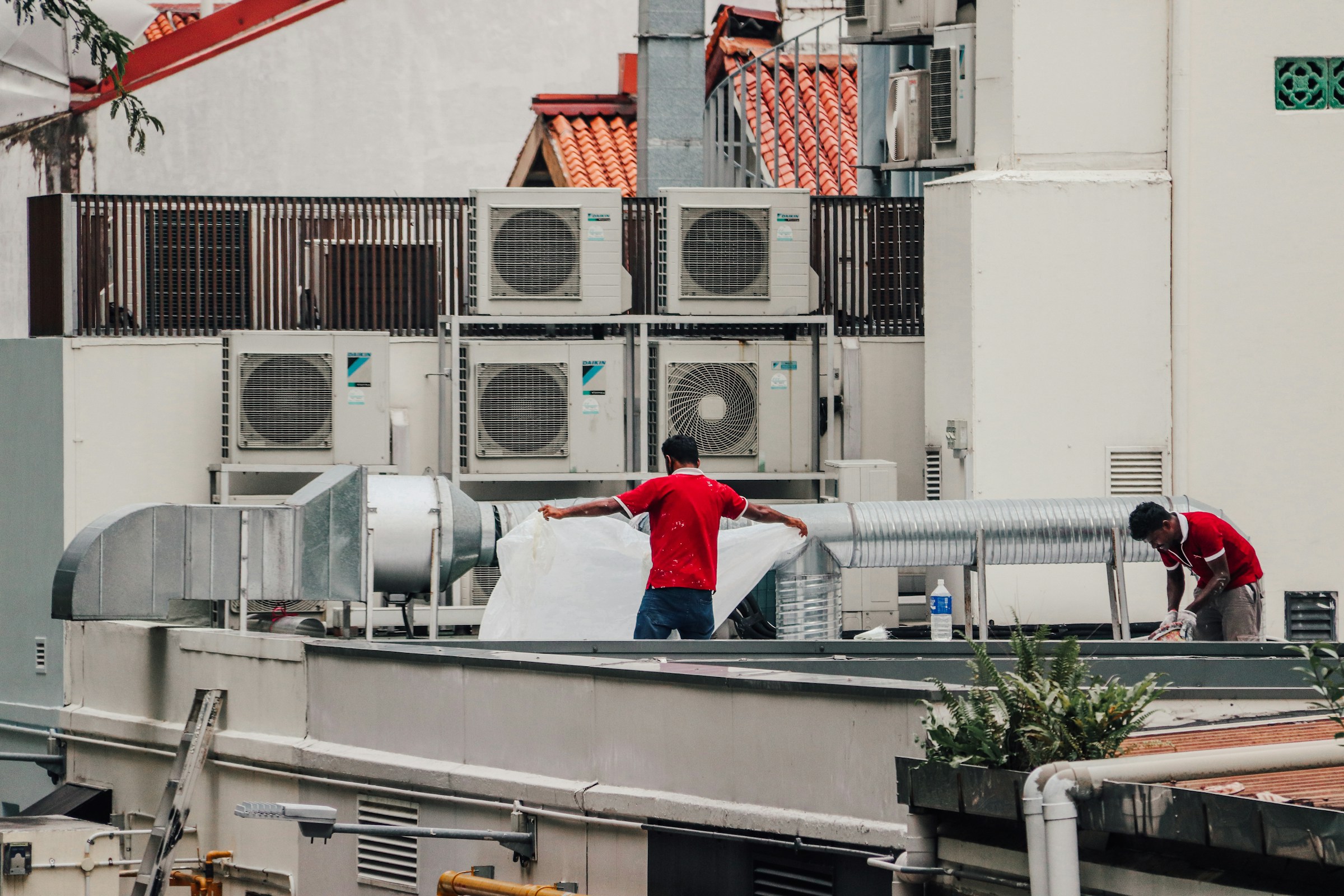
It’s the middle of a hot summer afternoon, and your air conditioner suddenly stops working. The house starts heating up fast, so you call someone to fix it. Within a few hours, a technician swings by, flips a few switches, tightens a wire or two, and your AC is humming again. Crisis averted, or so it seems. But what if that quick fix didn’t fix the real problem? What if it just paused it?
Let’s break down why quick AC repairsor relying on patch-up jobs might come back to haunt you later, sometimes sooner than you think.
The "It Works Again" Trap
There’s something satisfying about an appliance kicking back on after it goes silent. Cold air flows again. The sweat dries. The mood in the house lifts. But when an AC suddenly starts working after a quick fix, that can lull you into thinking the issue is solved. Often, it’s not.
Quick repairs can mask deeper issues. For example, replacing a capacitor might get the fan motor spinning again, but if the motor is straining or the airflow is imbalanced, it’s just a matter of time before something else gives out. These surface-level solutions can delay the inevitable, and sometimes the next failure is worse.
Temporary Fixes Vs. Root-Cause Repairs
Not all repairs are created equal. Some fixes are just meant to buy time, and there’s nothing wrong with that if it’s communicated honestly. But a temporary fix becomes a problem when it’s mistaken for a long-term solution.
Here are a few examples:
- Recharging refrigerant without fixing the leak: If refrigerant levels are low, it’s likely there’s a leak. Topping it off will restore cooling for now, but that refrigerant is just going to leak out again.
- Resetting the system without checking wiring or sensors: Some AC systems can be temporarily revived with a reset. But if the system tripped due to an underlying electrical fault, skipping a full inspection could lead to another shutdown, or worse, permanent damage.
- Cleaning the coil but ignoring air restriction: Dirty coils can cause poor cooling, but if your filters are clogged or your ducts are blocked, the coils are just going to get dirty again quickly.
The big takeaway? Quick fixes may treat the symptom but not the cause. That can leave your system vulnerable to repeat failures.
Why Speed Sometimes Equals Guesswork
When a technician is in a rush, either because they need someone ASAP or they’re trying to squeeze in multiple calls, there’s a greater chance they’ll rely on the most obvious solution rather than digging deeper.
It’s kind of like slapping a bandage on a cut without checking if there’s still glass inside. Sure, the bleeding might stop, but the wound could fester.
A fast repair without proper diagnostics can:
- Miss less obvious system issues
- Ignore warning signs like pressure imbalances
- Fail to test how different components interact
You might not notice the impact right away. But a system that seems fine post-repair could be running inefficiently, increasing your bills or putting more strain on parts that are already worn.
The Real Cost Of Repeated Repairs
Sometimes people think, "It's cheaper to fix it for now, and I’ll deal with it later." That makes sense, especially if you’re in a bind or budgeting carefully. But over time, patch jobs can cost more than doing it right the first time.
Let’s say you’ve had three small AC repairs in a year:
- A thermostat replacement
- A refrigerant top-off
- A capacitor swap
Each one costs a few hundred dollars. Altogether, that’s creeping toward the cost of a full inspection or even a major repair that would have addressed the underlying issue from the start.
Add to that the increased utility costs from a system that’s running inefficiently, and the numbers add up fast. Not to mention the frustration of calling for service again and again.
Signs You Got A Band-Aid Fix (and What To Do About It)
It can be hard to tell whether a repair was solid or just a quick patch. But there are some signs to look out for:
- The same issue returns within weeks or months
- Your energy bills spike with no change in usage
- Airflow is still uneven or inconsistent
- The technician didn’t test the full system or explain what went wrong
If any of these sound familiar, it’s worth getting a second opinion or asking for a more thorough inspection. A detailed repair should include clear explanations, not vague assurances.
Why System-Wide Thinking Matters
An AC system isn’t just a box that blows cold air. It’s an interconnected network of parts: the condenser, evaporator coil, refrigerant lines, blower motor, filters, sensors, ductwork, and thermostat all have to work together.
A smart repair doesn’t just isolate a faulty part. It considers:
- What caused the failure?
- Is the failed part stressing other components?
- Has this been repaired before?
- Are environmental factors (like a dusty attic or poor insulation) making things worse?
When repairs happen in isolation without this bigger-picture view, they often miss the domino effect that HVAC issues can create. And that’s where bigger problems grow unnoticed.
Maintenance Gaps That Lead To Repeat Repairs
Sometimes ,the rush to fix an AC problem skips over simple maintenance checks that could have prevented the issue in the first place. Things like:
- Dirty filters
- Blocked vents
- Poor thermostat placement
- Overdue coil cleaning
When these things get overlooked, small fixes never stay small. A dirty filter causes the system to overheat. That trips the breaker. Someone resets it. But then the compressor gets overworked and dies. Now what started as a filter issue turns into a costly repair.
How To Approach Repairs With The Long-Term In Mind
If your AC breaks down, you naturally want it fixed fast. But it’s also okay to slow things down just enough to ask the right questions:
- What exactly caused the issue?
- Is this likely to happen again?
- What condition is the rest of the system in?
- Are there any early warning signs I should watch for?
A good technician won’t rush you through this. The ones worth trusting usually take their time to walk you through the issue, show you worn parts, or suggest preventive options.
Wrapping Up
Quick fixes feel great in the moment. The air is cool again, the house feels livable, and life goes on. But if the repair wasn’t thoughtful, thorough, and based on what your system needed, it might not be fixed at all, just delayed.
Long-term comfort comes from addressing problems at their root. It means paying attention when the system acts weird, not just when it quits entirely. And it means thinking about how each repair fits into the health of your entire AC system, not just that one broken part.
Jump to
The "It Works Again" Trap
Temporary Fixes Vs. Root-Cause Repairs
Why Speed Sometimes Equals Guesswork
The Real Cost Of Repeated Repairs
Signs You Got A Band-Aid Fix (and What To Do About It)
Why System-Wide Thinking Matters
Maintenance Gaps That Lead To Repeat Repairs
How To Approach Repairs With The Long-Term In Mind
Wrapping Up

George Evans
Author
George Anderson, an exceptional architectural designer, envisions and brings to life structures that transcend the realm of imagination. With an unwavering passion for design and an innate eye for detail, George seamlessly blends form and function, creating immersive spaces that inspire awe.
Driven by a deep appreciation for the interplay of space, light, and materials, George's innovative approach redefines the possibilities of architectural design. His visionary compositions leave an indelible mark, evoking a sense of wonder and transforming the built environment.
George Anderson's transformative designs and unwavering dedication continue to shape the architectural landscape, pushing the boundaries of what is possible and inspiring generations to come.
Latest Articles
Popular Articles