Designing Zero-Waste Homes - Build Once, Reuse Forever
Behind every wall, roof, and foundation lies a hidden cost: the environmental toll of construction. But a new vision for living is turning waste into wisdom.
Author:George EvansAug 26, 202578.2K Shares1.1M Views
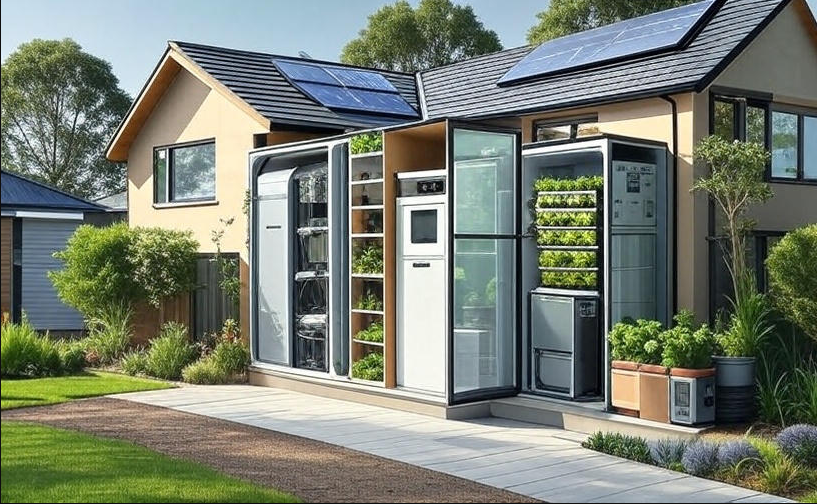
The global construction industry is at an important turning point. It uses a lot of natural resources and creates serious harm to the environment. Every year, construction causes about 30% of the world’s greenhouse gas emissions and produces around 40% of all waste.
In the U.S. alone, industries produce 2.7 billion tons of solid waste, and cities add over 290 million tons more each year. These numbers show why we urgently need to change the way we design, build, and live in our homes. One strong solution is building zero-waste homes, which can turn houses from pollution sources into models of sustainability.
What Is Zero Waste Design?
Zero waste design is all about creating things in a way that produces as little trash as possible. It's a way of thinking that looks at a product's entire journey, from where its materials come from to what happens to it when it's no longer needed.
This approach is about being sustainable, using resources wisely, and being good to the environment. The main goal is to create a "circular economy" - a system where we keep using resources over and over, so very little gets thrown away.
The 5 Rs Of Zero Waste (Refuse, Reduce, Reuse, Recycle, Rot)
The widely recognized "5 Rs" framework serves as the guiding philosophy for zero-waste living, emphasizing a hierarchy of actions that prioritize prevention and value retention. This order is crucial for maximizing environmental benefit:
- Refuse:The most impactful step involves declining items that are not needed, particularly single-use products like plastic bags, disposable cutlery, and excessive packaging. This directly prevents waste from entering the system.
- Reduce:Minimizing the quantity of items that are needed involves conscious consumption, purchasing less, and opting for products with minimal packaging or buying in bulk. Smaller homes, for instance, inherently reduce material use and energy requirements.
- Reuse:Extending the life of consumed items includes investing in durable, long-lasting products, choosing vintage or second-hand items, and repurposing old materials such as jars or furniture. Daily commitments like using reusable coffee cups and water bottles exemplify this principle.
- Recycle:For materials that cannot be refused, reduced, or reused, proper recycling is essential. This necessitates understanding local recycling guidelines and establishing convenient sorting stations within the home. Recycling conserves natural resources and reduces the need for new landfills.
- Rot (Compost):The final "R" applies to organic waste, including food scraps and yard trimmings. Composting diverts these materials from landfills, where they would produce harmful methane gas, and instead creates nutrient-rich soil. This can be achieved through traditional methods or automated systems.
The emphasis on "Refuse" and "Reduce" highlights that true zero waste prioritizes preventing waste at its source, rather than managing it after its creation. This upstream intervention is significantly more effective than downstream solutions like recycling.
The principle that "80% of a product's environmental impact is determined before it's ever made, during the initial design and material sourcing phases" underscores this point. By influencing design, consumption patterns, and material choices before products enter the home, the environmental footprintcan be drastically cut. This demonstrates that the most sustainable product is often the one never made or bought.
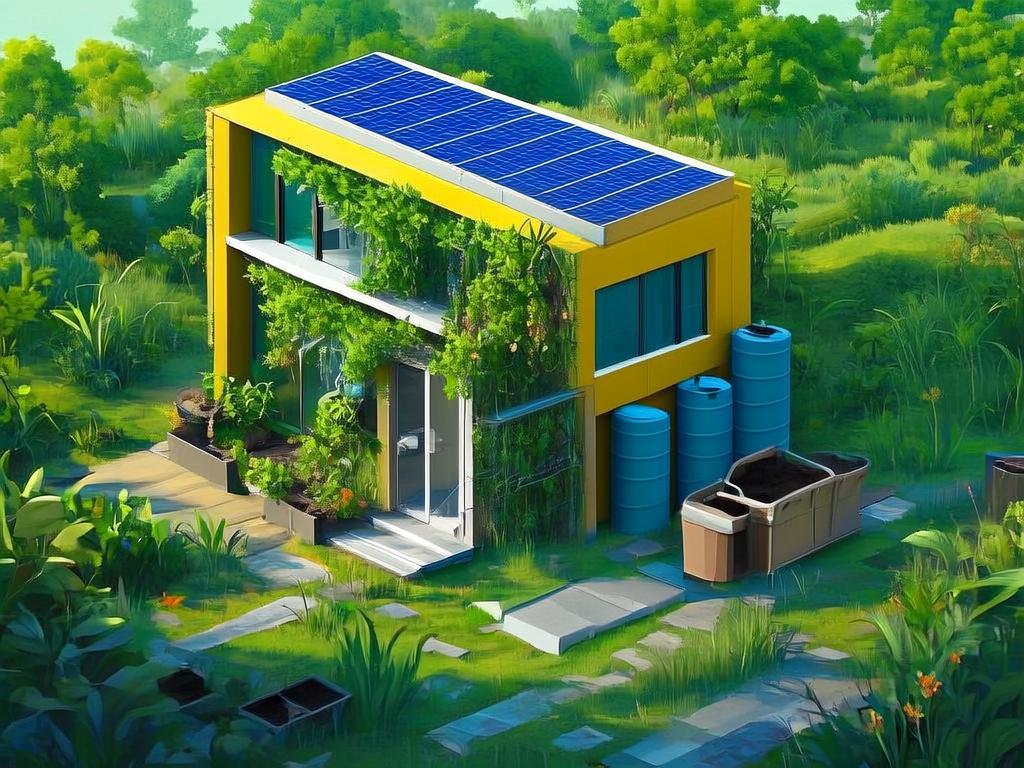
Benefits Of Zero-Waste Designs
The transition to zero-waste homes is not just an aspirational ideal; it delivers tangible, measurable benefits across environmental, economic, and social spheres, making a compelling case for its widespread adoption.
Environmental Benefits
- Climate Impact Reduction:Zero-waste strategies are crucial for mitigating climate change by significantly lowering greenhouse gas (GHG) emissions. The U.S. EPA estimates that approximately 42% of all GHG emissions are generated by the production and use of goods, including food, products, and packaging. By reducing, reusing, and recycling, energy is conserved, leading to a dramatic decrease in carbon emissions.
- Resource Conservation And Pollution Minimization:A zero-waste approach preserves natural resources and lessens pollution from extraction, manufacturing, and disposal processes. For example, recycling aluminum uses 95% less energy compared to producing new aluminum from raw materials. Similarly, recycling one ton of paper can save 17 trees, 7,000 gallons of water, and 4,100 kilowatt-hours of electricity. This also reduces the need for new landfills.
Related Reading: Creating Livable And Eco-Friendly Cities
Economic Benefits
- Long-term Cost Savings:Despite potentially higher upfront expenses, sustainable buildings typically save money in total operating costs over several years. These savings stem from reduced energy bills, lower maintenance requirements, and fewer major repairs. Green buildings are only about 2% more expensive to construct initially, but considering lifecycle costs, they are less expensive, with an average of 14% to 19% in operational savings. The payback period for green buildings can be as little as 3-5 years, with a return on investment of up to 40% over the building's lifetime. When viewed through the lens of smart investment strategies, building a zero-waste home becomes not just a sustainable choice, but also a financially sound one.
- Increased Property Value:Sustainable features and green building practices can increase property value by 10% to 15%.
- Job Creation And Local Economy Support:Zero waste supports a local circular economy, creating beneficial, green jobs as resources are recirculated. Ontario's recycling, composting, and diversion programs create ten times more jobs than disposal methods. This process keeps local money within the community.
- Municipal Savings:Extended producer responsibility, a key zero-waste strategy, is projected to save cities significant funds, with San Francisco saving up to $30 million annually on Blue Bin materials.
Social Benefits
- Community Building And Equity:A zero-waste approach promotes social equity by supporting marginalized groups and enhancing community capacity through initiatives like tool sharing and skills sharing for repair and reuse. It also facilitates the redistribution of useful goods to those in need.
- Health Protection:By reducing pollution in the air, water, and soil, zero-waste practices directly protect community health, keeping toxics and waste out of landfills and incinerators.
This quantifiable evidence directly addresses the common misconception that sustainable living is prohibitively expensive. Instead, it positions zero-waste home design as a strategic, long-term investment that yields significant financial returns, alongside its environmental and social benefits. This shift in perception from "expense" to "investment" is crucial for driving mainstream adoption, as it appeals to both ethical motivations and practical financial considerations.
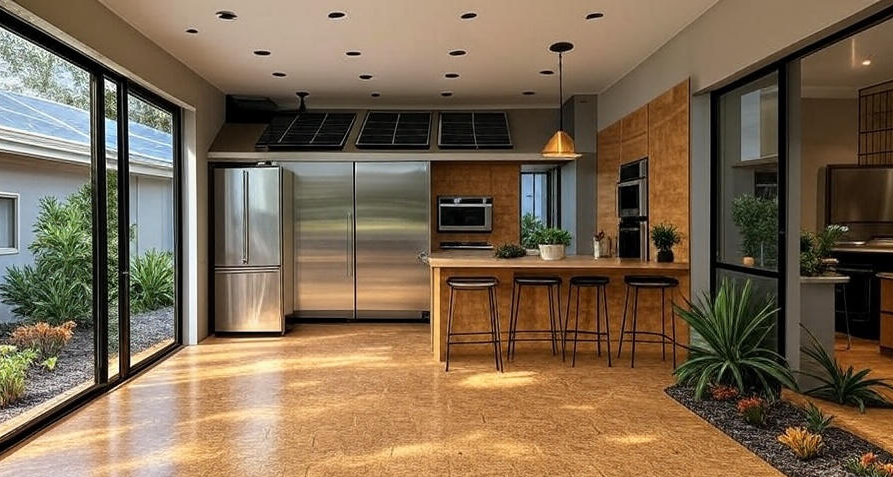
Practical Ways To Achieve Zero Waste Design
Achieving this in your home or renovation can save money and resources. It also creates a healthier, longer-lasting living space. Below are simple, actionable tips for each stage of a project, from planning and materials to construction, daily use, and even future demolition.
Plan Your Design Carefully
- Right-Size and Layout:Design spaces that are no bigger than needed. A smaller home uses fewer materials and less energy. Think about the future: include flexible rooms or modular walls so your house can adapt if your needs change. For example, a home office space could later become a nursery or guest room.
- Orientation and Light:Place windows and living areas to take advantage of the sun’s path. Face windows and main rooms toward the sun to get natural heat and daylight. Use trees, shades, or roof overhangs to keep the house cool in summer. This reduces the need for electric heating, cooling, and lighting.
- Renovate When Possible:If you have an older house with a good structure, renovate or add on instead of tearing it down. Keeping the strong parts saves all the energy and materials used to build it originally.
- Design for Disassembly:Think ahead to the end of the building’s life. Use screws and bolts (not glue) and label parts so they can be taken apart easily. That way, walls, beams, and fixtures can be reused or recycled instead of being thrown away.
Choose Sustainable Materials
- Recycled or Salvaged Materials:Use reclaimed or recycled items like wood, bricks, tiles, and metal. They reduce the need for new materials and often cost less.
- Rapidly Renewable and Local:Choose materials that grow quickly (like bamboo or cork) and buy from local sources when you can. This cuts down on pollution from transport and supports your community.
- Durable and Non-Toxic Products:Pick materials that last a long time and don’t give off harmful chemicals. Durable items reduce future waste. Low-chemical (low-VOC) paints and finishes are safer for your health and the environment.
- Minimal Packaging and Simple Sizes:Order materials in standard sizes and amounts that match your design. This avoids leftovers and trash. Ask suppliers to reduce unnecessary packaging.
Reduce Waste During Construction
- Accurate Estimating:Order only what you need. Plan ahead to avoid buying too much, and return unused materials to the supplier when possible.
- Sort and Recycle On-Site:Set up bins to separate wood, metal, concrete, and cardboard. This makes it easy to recycle and reuse materials instead of sending them to a landfill.
- Protect Materials:Store supplies properly so they don’t get wet, dirty, or damaged. A little care can save a lot of waste.
- Use Prefab or Modular Parts:Prefabricated walls, roof panels, or other pieces are made in factories with less waste. Even partial use of prefab items can save time, money, and materials.
- Reuse Leftovers:Keep extra tiles, bricks, or wood for future repairs or small DIY projects. Some builders also donate unused items to local charities or reuse centers.
Reuse, Repurpose And Upcycle
- Refinish Old Items:Don’t throw away old furniture or fixtures. Sand them, repaint, or repair them for a fresh look. A dresser can become a bathroom vanity or hallway storage.
- Creative Upcycling:Turn scraps into new items. Use leftover wood for shelves, build a coffee table from pallets, or turn broken tiles into a mosaic backsplash.
- Buy Secondhand:Shop at salvage yards or online marketplaces for used doors, windows, lighting, and furniture. These pieces often have character and come at a lower cost, with less environmental impact.
Save Energy And Water In Daily Use
- Efficient Systems:Use LED lighting, energy-saving appliances, and smart thermostats to reduce energy use. Install low-flow showerheads and toilets to cut water use. Using these smart home technologycan further boost efficiency, all while making daily life easier and more comfortable.
- Renewable Energy and Insulation:Add solar panels or solar water heaters if you can. Use proper insulation to keep your home warm in winter and cool in summer without overusing heating and cooling systems.
- Rainwater Collection:Use rain barrels to collect water for gardening. This saves fresh water and helps manage runoff during storms.
- Natural Light and Air:Design your home to make the most of sunlight and fresh air. Big windows, skylights, and good airflow reduce the need for artificial lighting and fans.
Work With Architects And Builders
- Set Clear Goals:Let your architect or builder know early that you want a zero-waste project. Include waste goals in your plan, like using recycled materials or limiting construction trash.
- Choose Sustainable Professionals:Hire designers and contractors who care about green building. Ask about their past experience with eco-friendly projects.
- Pick the Right Materials Together:Talk with your team about materials that are safe, long-lasting, and recyclable. Decide how to handle leftover supplies and how to sort waste on site.
- Waste Plan:Ask for a basic plan to manage and track waste. For example, deliveries can be scheduled just in time, and builders can do regular checks to reduce trash during the job.
Think Long-Term
- Build to Last:Use strong materials and classic designs that stay useful and attractive over time. Avoid trends that might go out of style and need replacing soon.
- Flexible Spaces:Design rooms that can serve different purposes over time. This avoids the need to build new spaces in the future.
- Maintain and Repair:Take care of your home with small repairs so that larger renovations aren’t needed. Fix leaks, oil hinges, and patch surfaces instead of replacing them too soon.
- Avoid Fads:Simple and timeless designs tend to last longer. When in doubt, go for natural colors and materials that age well.
By following these strategies, everyday homeowners and builders can create homes that waste less, save more, and last longer. Zero-waste design is not about perfection - it’s about making smarter choices every step of the way. With thoughtful planning and simple habits, you can build a home that’s better for you and better for the planet.
Frequently Asked Questions
Can I Start Zero-waste Design In An Existing Home?
You can begin in any home by reusing materials, composting, choosing secondhand furniture, and upgrading to energy-efficient appliances. Small, consistent changes add up to significant waste reduction over time.
Where Can I Find Reclaimed Building Materials?
Check local salvage yards, demolition sites, online marketplaces, or nonprofit reuse centers like Habitat for Humanity ReStores. These places often sell quality materials at lower prices while keeping them out of landfills.
Do Zero-waste Homes Cost More To Build?
While some eco-friendly materials have higher upfront costs, savings from reduced waste, lower energy use, and fewer repairs often balance or reduce long-term expenses.
How Do I Dispose Of Old Paint Or Chemicals The Zero-waste Way?
Take them to a hazardous waste facility or community recycling event, never pour them down drains or throw them in the trash. Proper disposal prevents pollution and allows safe handling or recycling.
Can Apartments Follow Zero-waste Design Principles?
Renters can use reusable items, recycle correctly, compost with indoor bins, and choose sustainable decor. Even without renovations, daily habits can greatly reduce waste.
What Happens To Old Fixtures When Renovating?
Donate usable ones to reuse stores, sell them online, or repurpose them in another part of your home. This keeps functional items out of landfills and supports a circular economy.
Conclusion
We all want our homes to feel good and maybe even something we’re proud of. But what if your home could do more than just keep you safe and warm? What if it could also help the planet, save you money, and make you feel better every time you walk in?
The way we build and live has a big impact on the world, even if we don’t always notice it. But the good newsis, we can also change things for the better. A zero waste home isn’t about giving things up, it’s about making thoughtful choices. So start with what you have. Do what you can. Every small step counts.
Learn More: How To Blend Green Energy With Building Design

George Evans
Author
George Anderson, an exceptional architectural designer, envisions and brings to life structures that transcend the realm of imagination. With an unwavering passion for design and an innate eye for detail, George seamlessly blends form and function, creating immersive spaces that inspire awe.
Driven by a deep appreciation for the interplay of space, light, and materials, George's innovative approach redefines the possibilities of architectural design. His visionary compositions leave an indelible mark, evoking a sense of wonder and transforming the built environment.
George Anderson's transformative designs and unwavering dedication continue to shape the architectural landscape, pushing the boundaries of what is possible and inspiring generations to come.
Latest Articles
Popular Articles