How To Blend Green Energy With Building Design
In this industry, professionals have to come up with unique ways to create buildings while thinking about the sustainability of their methods.
Author:George EvansJul 22, 20256K Shares402K Views
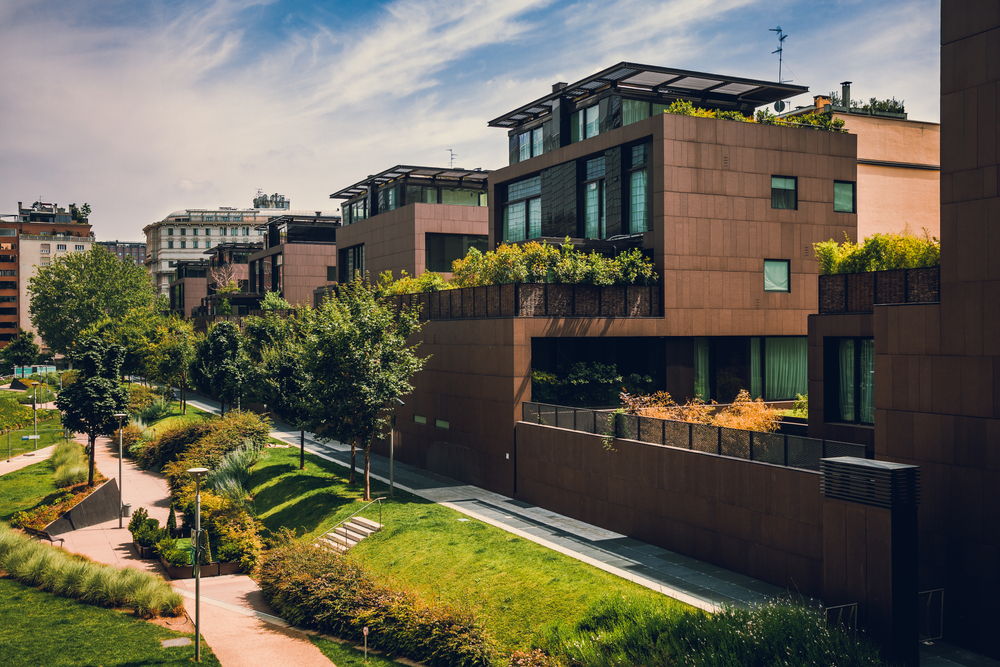
Sustainability is a huge focus in today’s world due to rising environmental issues, bringing awareness to everyone worldwide. This means that businesses and individuals are moving toward an eco-friendlier way of living to help reduce our impact and save the planet. It is evident that this is no longer a choice for businesses and individuals, but it’s now more essential than ever before for many industries.
There are many businesses that create waste and affect the environment, with one of the main ones being the commercial building sector. In this industry, professionals have to come up with unique ways to create buildings while thinking about the sustainability of their methods. This has led to a change where architects are being challenged to integrate green energy solutions without compromising on the design.
Elements such as solar, wind and geothermal technologies are starting to emerge in urban landscapes to encourage a sustainable attitude to the environment and propel the sector towards a brighter future one in which buildings can work as efficient ecosystems rather than just a structure! These renewable energy systems are now being put at the forefront of every design decision. Discover how the industry is blending green energy with building design and uncover how this critical step can help protect our planet for the future.
Importance Of Integrating Green Energy In Building Design
Integrating renewable energy in building design is a very powerful method to transform the way in which commercial properties, and even homes, are built in the best way to protect the environment. Renewable energy is known for its capacity to replenish quickly than it is used. Energy such as solar, wind, geothermal, and hydropower is used in building designs to improve the building’s energy efficiency and lower its carbon footprint.
Traditional energy sources, like oil, only provide limited sustainability and form over millions of years. While renewable energy sources, like solar, are inexhaustible and produce minimal greenhouse gas emissions. This improves energy security and helps to tackle the effects of climate change.
On top of this, using renewable energy sources is more affordable than traditional methods. Fossil fuels have an unstable pricing and renewable energy doesn’t, providing you with lower energy bills each month.
Rethinking Energy As A Design Element
Historically, the role of energy systems in commercial architecturewas functional, tucked away in basements or rooftops. They were never included in the architect’s vision and design, making them a hidden part of a building, like they negatively affect the aesthetics. However, this is no longer the case as architects are realizing the potential of exposing renewable energy systems that work with the design.
This means that energy systems can work in harmony with the design and even improve it, making them a central focus for others to see. With the growing urgency to reduce carbon emissions and operational costs, renewable systems are becoming essential components of a building’s identity.
Rather than being hidden, these technologies are being celebrated through bold design. Solar panels are no longer just black rectangles bolted onto roofs. They now come in a variety of forms, from glass curtain walls and façade cladding to canopies and sunshades. These are being viewed as a new creative opportunity to provide a different aesthetic. The shift in thinking allows architects to transform traditional systems into standout features of a building.
Green Materials
The success of blending green energy with building design often comes down to material choices. Glass, steel, and composite surfaces must be selected not only for strength and appearance but also for their ability to support components of a home. For instance, photovoltaic glass allows buildings to generate power while maintaining transparency. Thin-film solar cells can be incorporated into roofing membranes or metal panels, maintaining a consistent exterior while generating energy on-site.
Color and texture also play a role. The development of solar panels in varying hues allows designers to better match or contrast them with building exteriors. Architects and engineers are working together more than ever to ensure that buildings can be beautiful, high-performing, and environmentally responsible.
Solar Energy
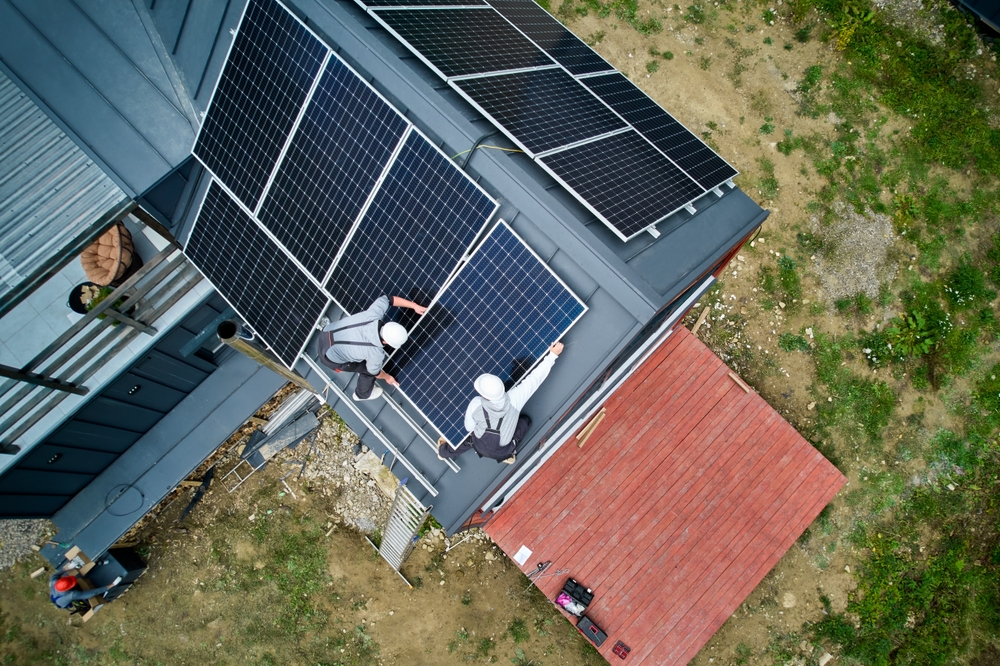
Solar energy is one of the main renewable energy sources implemented into building design. It directly converts solar energy into electricity through PV panels that are incorporated into the façade or roof. This is also being used to heat water, as well as provide electricity, by incorporating solar thermal technology.
This uses sunlight to heat liquids, which then produces energy. The system uses collectors to absorb and concentrate sunlight, converting it into heat that is transferred to a fluid. This then produces steam to drive a turbine connected to an electric generator. It is very efficient for large-scale buildings.
Wind Energy
Wind turbines are slowly being implemented into building design to provide a sustainable yet utterly unique look to a building. These turbines convert the kinetic energy of wind into electricity. New developments have seen wind technology that includes vertical-axis turbines, which function efficiently in cities since they don’t need to face the wind.
Smaller wind turbines can be mounted on rooftops or integrated into the structure of a building. This is great for urban areas with limited space and plenty of wind resources.
Geothermal Energy
A geothermal system generates heat and cooling for a building. It uses the present temperature that is found under the surface of the Earth. Geothermal heat pumps exchange heat with the Earth through a ground heat exchanger. This makes them very sustainable and less dependent on external temperatures. These are slowly being included in building design to heat and cool a home sustainably.
A Shift In Stakeholder Expectations
Clients, tenants, and communities are increasingly demanding sustainable commercial buildings that not only function efficiently but also convey an environmental ethos. This is also being encouraged through various certification programs that allow people to afford sustainable design.
This expectation extends beyond energy savings. A green building today is also a brand statement. It is a visual representation of corporate values and environmental responsibility. How a building looks used to be based on the external aesthetics, but more and more people are searching for the energy performance of a building through visual systems that have been integrated into the design. As a result, solar panel installation companiesand other renewable installers are collaborating more closely with design teams to ensure that energy solutions improve a building’s visual and environmental story.
Looking Ahead
The merging of technology, design, and environmental awareness is pushing commercial architecture into a new era. One where green energy systems are seamlessly blended into a building’s design, becoming a key feature of the façade. With more architects embracing renewable energy as a creative medium rather than a constraint, the industry can unleash endless possibilities to create buildings that can create their own energy in a sustainable way creating an eco-friendly future.

George Evans
Author
George Anderson, an exceptional architectural designer, envisions and brings to life structures that transcend the realm of imagination. With an unwavering passion for design and an innate eye for detail, George seamlessly blends form and function, creating immersive spaces that inspire awe.
Driven by a deep appreciation for the interplay of space, light, and materials, George's innovative approach redefines the possibilities of architectural design. His visionary compositions leave an indelible mark, evoking a sense of wonder and transforming the built environment.
George Anderson's transformative designs and unwavering dedication continue to shape the architectural landscape, pushing the boundaries of what is possible and inspiring generations to come.
Latest Articles
Popular Articles